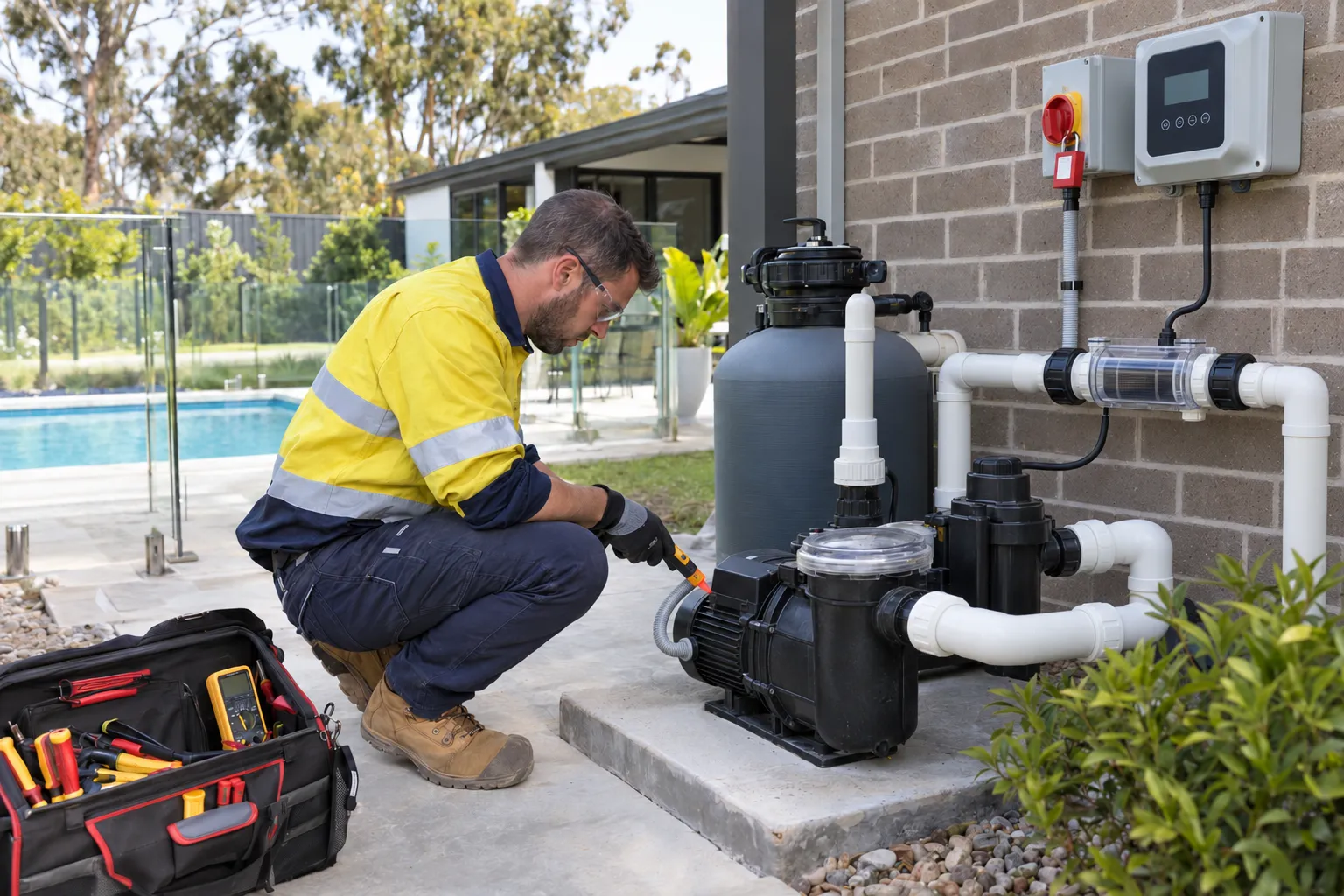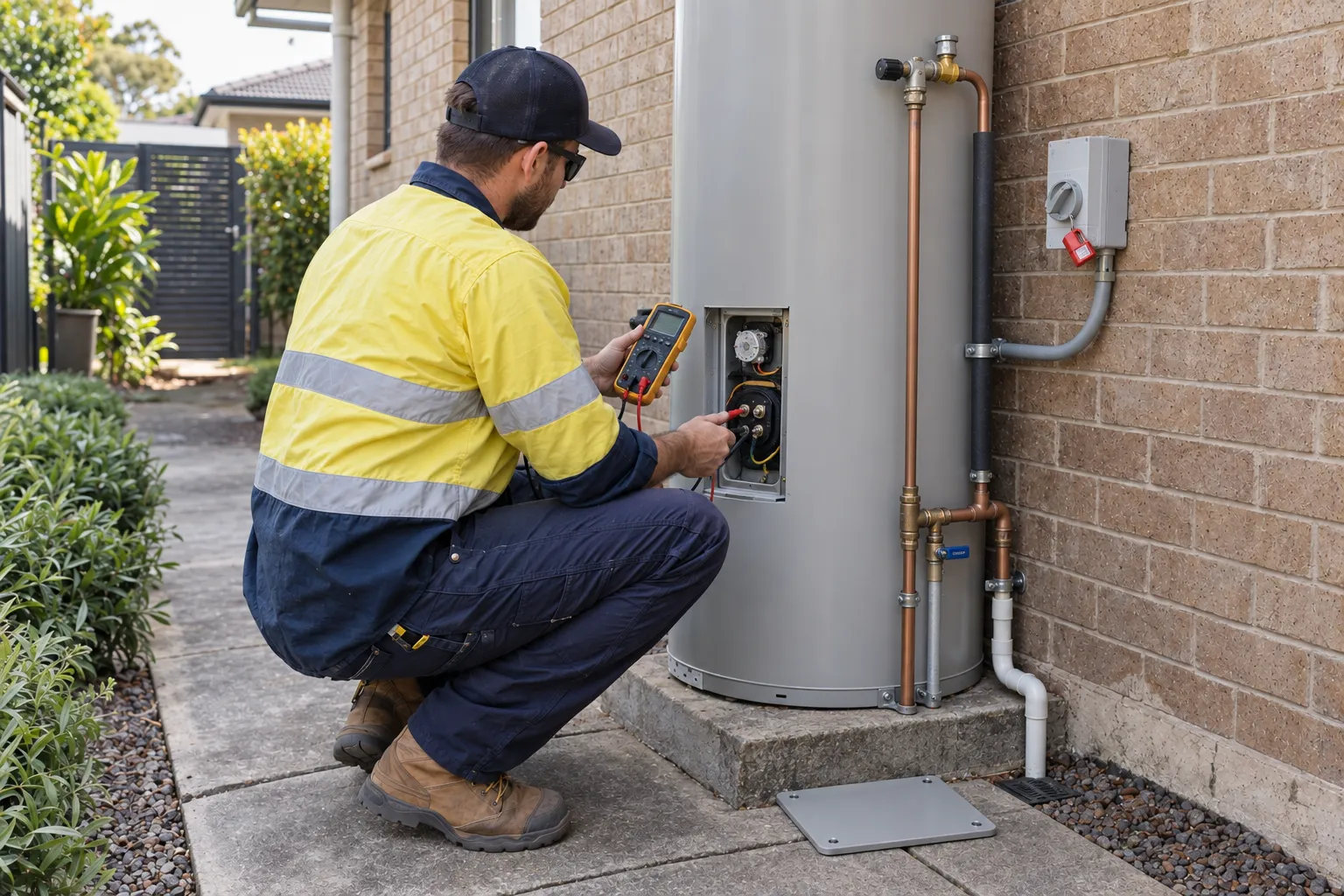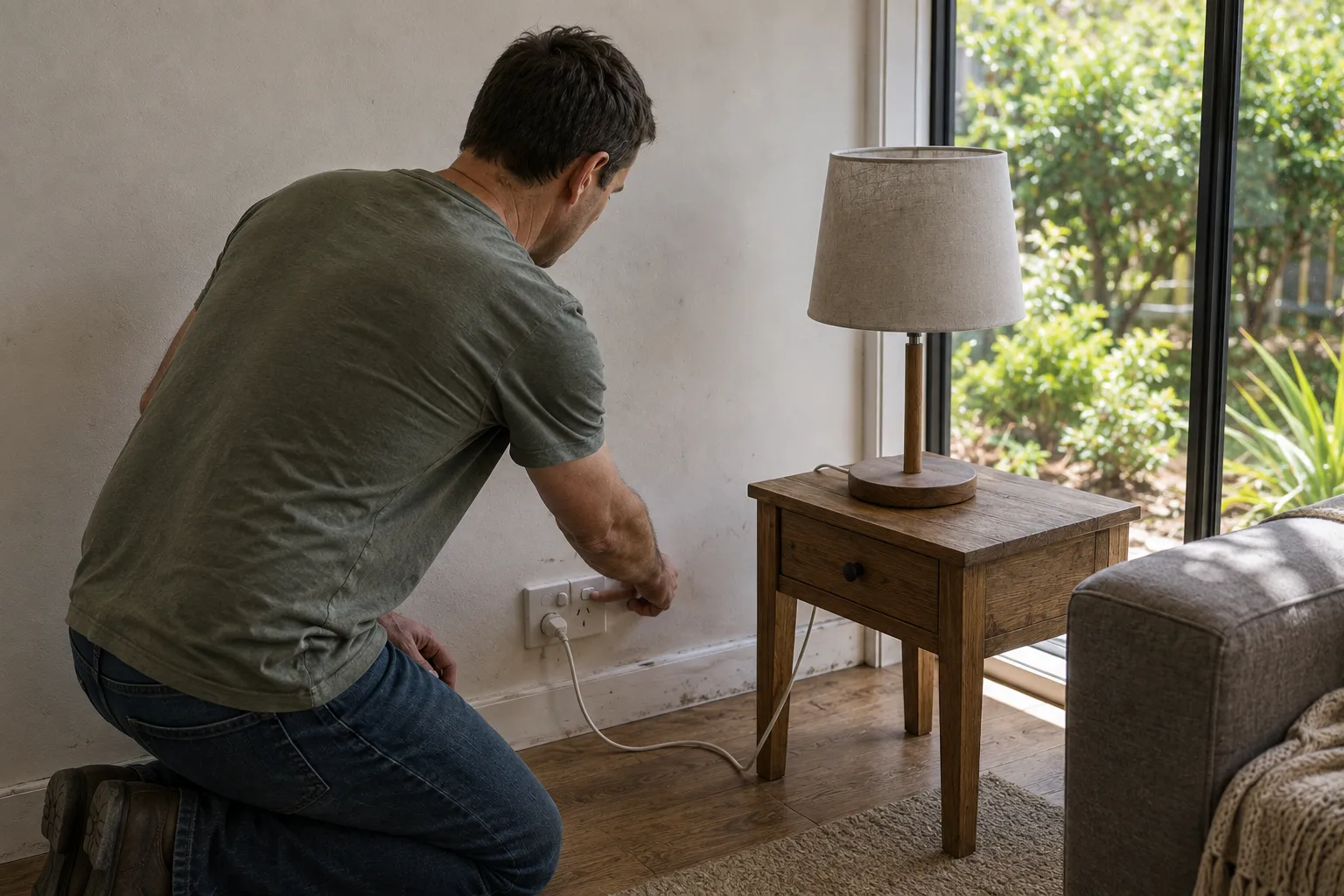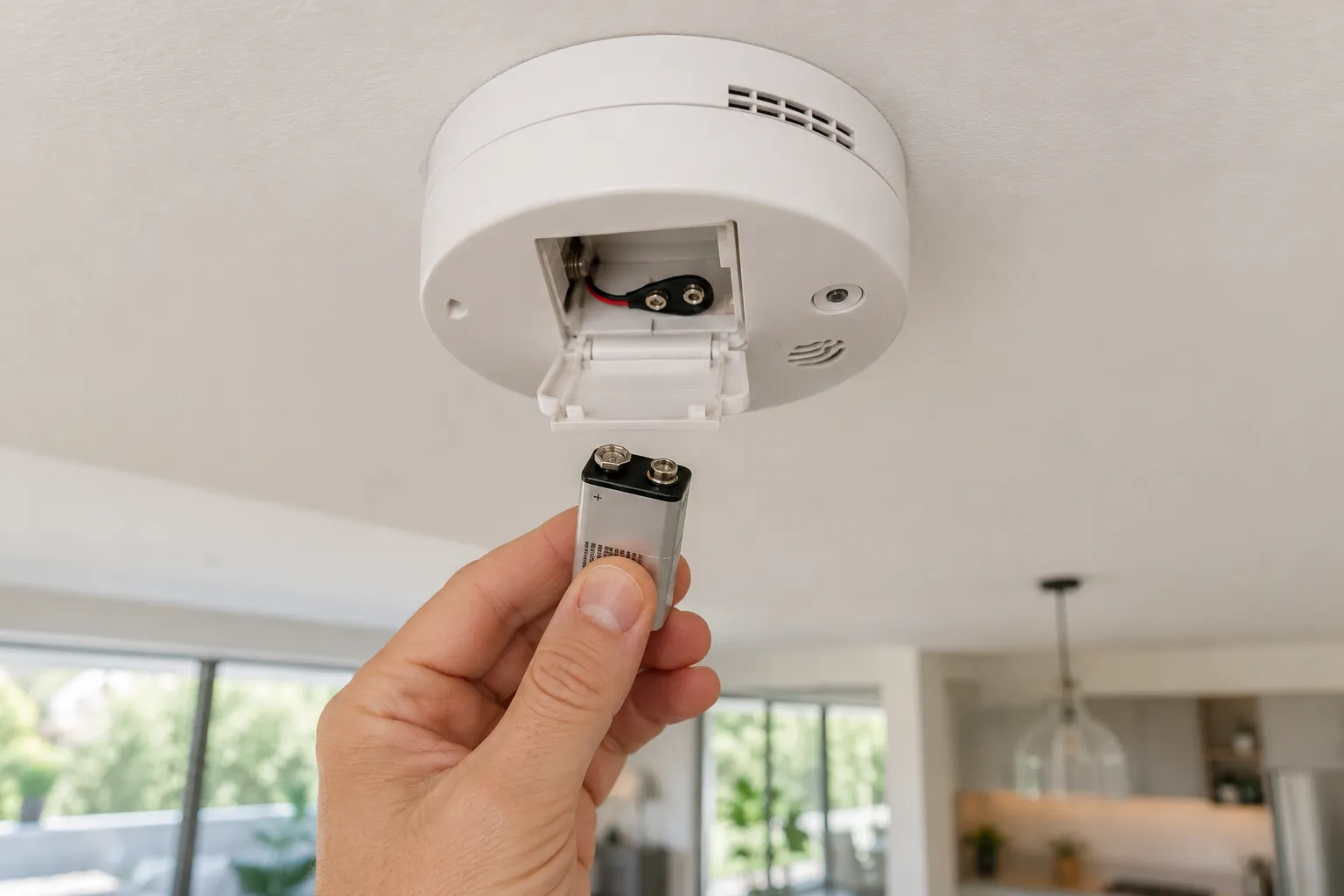
Older homes have a character and charm that newer builds often cannot match, yet behind the walls, the electrical system can be struggling to keep up with modern living. Hudson Electrical (Level Electrical) regularly sees older properties relying on outdated wiring, limited power outlets and overloaded switchboards. This can lead to nuisance tripping, flickering lights and an increased risk of fire or electric shock. Understanding which electrical upgrades are most often needed and when to schedule them helps homeowners protect their property, improve safety and enjoy the convenience of today’s appliances and technology.
When working in established properties, an electrician in Northern Beaches often finds that key parts of the electrical system no longer meet modern safety or capacity expectations. This article explains the most common electrical improvements older homes require and how to recognise the signs that it is time to act. Readers will learn why switchboard upgrades are often essential, how to identify ageing or unsafe wiring, when to add extra circuits and power points and the role of safety switches and surge protection in safeguarding people and valuable equipment. The article also discusses practical timing considerations and weighing up maintenance versus full replacement, helping homeowners make informed decisions about upgrades that improve safety, efficiency and everyday comfort.
Older homes usually have electrical systems designed for a very different era. When they were built, households had far fewer appliances, no large-screen TVs or computer equipment and little in the way of smart technology. As a result, the wiring, switchboards and safety devices in many established properties are often not equipped to handle how people live today.
Eventually, electrical components also deteriorate. Insulation becomes brittle, connections loosen and previous DIY work or old alterations can introduce hidden faults. Even if everything appears to work, many older systems no longer meet current Australian safety standards, increasing the risk of shocks, fires and frustrating power issues.
Modern homes typically use far more electricity than a home built even 20 to 30 years ago. Air conditioning, induction cooktops, clothes dryers, pool equipment and multiple devices on charge all place extra load on circuits. An older switchboard and wiring layout may not have been designed for these continuous high demands.
Common signs of overload in an older home include lights dimming when large appliances start, frequent tripping of circuit breakers or the need to constantly unplug one thing to use another. In many older properties, there are too few power points, so residents rely on power boards and double adaptors, which can easily overload circuits. Upgrades are often needed to add dedicated circuits for heavy-use appliances and increase overall supply capacity.
Many older homes still have original wiring, such as cloth-insulated or rubber-insulated cables, which can perish as time passes. As insulation breaks down, bare conductors can be exposed in cavities or roof spaces, creating a serious fire and shock hazard. Even older PVC wiring can suffer damage from heat, pests or previous renovation work.
Switchboards are another common issue. Older boards may use ceramic fuses or unprotected circuit breakers, offering far less protection than modern safety switches. These older boards were not designed to manage today’s fault currents and may have poor earthing or messy additions from decades of changes. Upgrading to a modern switchboard with clearly labelled circuits and safety switches is often one of the most important improvements an older home needs.
Electrical standards have become much stricter as more has been learned about fire risks and electric shock. Many older homes were compliant when they were built but would not meet current requirements for RCD protection, earthing, circuit design or wiring methods.
This does not mean every old system is immediately unsafe, but it does mean the level of protection is lower than what is now considered acceptable. When a property is renovated, sold or a new high-load appliance is installed, it is often necessary or strongly recommended to bring key parts of the system up to current standards. This can include installing safety switches on all circuits, improving earthing, replacing hazardous wiring types and ensuring wet areas and external circuits have appropriate protection.
Older homes often have electrical systems that were never designed to handle today’s appliances, electronics and heating or cooling loads. It is common to find that even homes that feel “fine” to live in are quietly running on outdated or overloaded wiring and boards that create safety risks and constant inconvenience.
The most common upgrades fall into a few clear categories. Understanding these helps homeowners budget properly, recognise warning signs early and plan work in a sensible order rather than waiting for a breakdown or a safety issue.
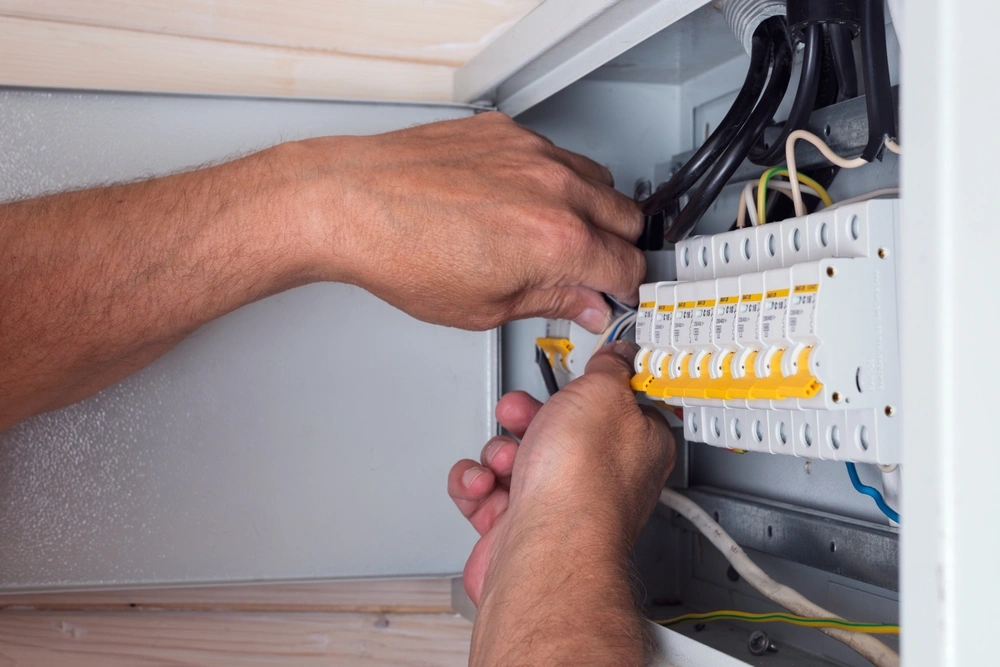
In many older properties, the original fuse board is still in use or has only had minor patch jobs over the years. These boards were built for a time when homes used far less power and often lacked modern safety devices.
Upgrading to a modern switchboard with circuit breakers and safety switches (RCDs or RCBOs) greatly reduces the risk of electric shock and electrical fires. Safety switches constantly monitor the current flowing through a circuit and trip almost instantly if they detect a fault, such as a person contacting a live part or a damaged appliance leaking current.
Common signs a switchboard upgrade is needed include frequent tripping when several appliances run at once, fuses that still use rewireable fuse wire, scorch marks or buzzing at the board and a lack of clearly labelled circuits. For improved protection, safety switches should be installed on all power and lighting circuits, along with dedicated, properly protected circuits for high-load appliances such as ovens, air conditioning systems and electric hot water units.
Many older homes still have original wiring that has become brittle, undersized or simply does not meet current safety expectations. This can include cloth- or rubber-insulated cables, poorly joined cables twisted and taped together or lighting circuits without an earth.
Insulation breaks down, connections loosen and the risk of arcing and fire increases. A full or partial rewire replaces these old cables with modern TPS cable and proper earthing. It matters most in areas that get warm or damp, such as roof spaces, subfloors, kitchens and bathrooms, where ageing insulation deteriorates faster.
Indicators that rewiring may be needed include lights that flicker without reason, warm or discoloured power points or switches, a burning smell from fittings, regularly blowing bulbs and visible old cable in the roof space or under the house. Circuit integrity and insulation resistance testing can accurately determine which sections of wiring need replacement, removing the need for guesswork.
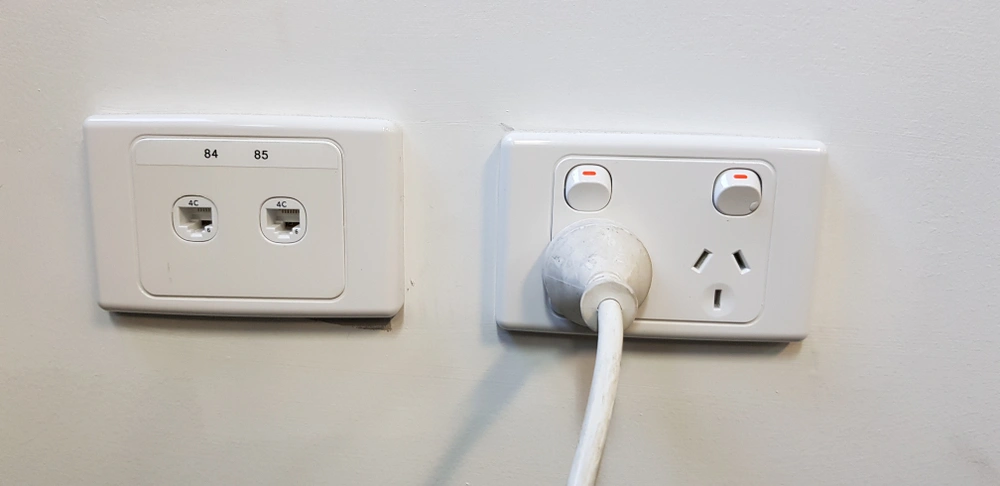
Older homes typically have very few power points per room and often share too many outlets on a single circuit. Modern living loads these circuits with TVs, computers, chargers and kitchen appliances, leading to nuisance tripping and heavy reliance on power boards and double adaptors.
Adding extra power points reduces overloading and makes everyday use safer and more convenient. In many homes, it is also wise to add new dedicated circuits for high‑demand equipment such as dishwashers, induction cooktops, air conditioning units and EV chargers. This not only protects the existing wiring from overload but also helps avoid voltage drop and equipment damage.
Homeowners in older properties often know upgrades are needed but are not sure when it is truly time to act. It is important to pay close attention to how the system behaves day to day, as well as how the home is changing. Problems like tripping breakers or warm outlets are not just annoyances. They are warning signs that the electrical system may be unsafe or undersized for modern living.
The decision to upgrade should be based on clear signals such as the age of the wiring and panel, the types of devices being used and any visible or audible signs of trouble. Understanding these triggers helps homeowners budget and plan instead of waiting for a breakdown or safety incident.
Some issues mean an electrician should be called as soon as possible, and upgrades are often part of the solution. Warning signs include:
If any of these are present, an immediate safety inspection is strongly recommended. Frequently, the underlying causes are overloaded circuits, deteriorated wiring, loose connections or an outdated panel that cannot reliably protect the home. In these cases, targeted upgrades such as replacing circuits, adding dedicated appliance lines or installing a modern safety switch-protected switchboard are often needed.
Even if there are no urgent safety problems, older systems can be unsuitable for current electrical demands. Homeowners should consider upgrades when:
Upgrades are often recommended when renovations are planned or when new high-demand appliances are added, such as ducted air conditioning, induction cooktops or EV chargers. Increasing capacity at the switchboard and adding new circuits at this stage is usually more cost-effective than trying to patch problems later.
Major changes to the layout or use of a home are ideal times to review electrical capacity and safety. This includes kitchen or bathroom renovations, converting a garage or attic into living space or adding an extension or granny flat. Whenever walls are opened or new rooms are created, it is much easier to:
Planning these upgrades before construction helps avoid delays and rework and ensures the finished space is safe, convenient and compliant with current electrical standards.
Modern electrical expectations are very different from what older homes were originally built to handle. Ignoring that gap can quietly increase the risk of electric shock, fire and ongoing nuisance issues such as tripping circuits or voltage fluctuations.
Throughout this article, we’ve outlined the most common upgrades older homes require, including switchboard replacements to remove outdated fuse boards, rewiring to address brittle or unsafe cables, installing safety switches (RCDs or RCBOs) on all circuits, adding dedicated circuits for high-load appliances and ensuring proper earthing and surge protection. We’ve also covered the warning signs that indicate it may be time to act, from frequent breaker trips and flickering lights to warm outlets, buzzing switchboards or visible ageing wiring.
If your home is older and you recognise even a few of these issues, arranging a professional assessment by a licensed electrician is the sensible next step. Upgrading key parts of your electrical system not only improves compliance with current Australian Standards, but also enhances safety, reliability and everyday comfort for years to come.