Power reliability is changing fast, and by 2026, many homes will need more than just the mains grid to stay powered, safe and comfortable. Modern microgrids and well-designed backup systems now give households real control over outages, extreme weather and rising electricity dependence. Here at Hudson Electrical, we explain how home-scale microgrids work, how solar, batteries and generators fit together and what’s actually practical for various conditions in 2026.
This guide is for homeowners who work from home, rely on medical equipment, own EVs or simply want peace of mind during blackouts and who are starting conversations with an electrician on the Central Coast about long-term energy resilience. It matters because outages are becoming more frequent, technology and regulations are evolving and poorly planned systems can be expensive without delivering real protection.
You’ll learn what your backup options cost, how they perform during outages and how to plan a system that genuinely suits your home rather than a one-size-fits-all solution.
Power disruptions are no longer rare, one-off events. Coastal storms, intense rainfall, heatwaves and strong winds are placing increasing strain on overhead lines, substations and local distribution networks. When outages occur, restoration times can stretch out, especially during widespread weather events. This makes relying solely on the mains grid a growing risk for many households.
Microgrids are important because they allow homes to respond to these conditions instead of being entirely at their mercy. By combining solar generation, battery storage and smart switching, a microgrid can keep critical circuits powered even when the wider grid fails. For homes, this means greater protection against weather-related outages and voltage instability. It shifts energy resilience from being reactive to being planned and controlled.
When faults occur on a feeder line, every home connected to it loses supply at once, often with little warning. Even short outages are frequently accompanied by voltage dips and surges that place stress on household electrical systems. These conditions can quietly damage appliances and electronics.
A properly designed residential microgrid forms a protective layer between your home and an unstable grid. While the grid is healthy, the system operates in sync, often supporting household demand with solar and battery energy. When voltage becomes unstable or the grid fails, the microgrid disconnects almost instantly and supplies clean, regulated power internally. This protects sensitive equipment and keeps essential circuits operating without interruption.
Designing microgrids requires accounting for environmental and infrastructure challenges that are less common inland. Coastal exposure accelerates wear on electrical components, while local geography increases the likelihood of outages and voltage instability. Systems that are not specified for these conditions can lose reliability far sooner than expected. Addressing these challenges upfront is critical to long-term performance.
Key local factors that must be considered include:
Microgrids must also operate within evolving fire safety and regulatory frameworks. Equipment placement, access clearances and construction standards must align with both electrical and bushfire compliance. These factors shape what is technically and legally viable on each site.
Site limitations add another layer of complexity. Roof orientation, shading from terrain or vegetation and coastal exposure affect solar output and equipment lifespan. Battery and inverter locations must balance ventilation, fire separation and visual impact, particularly in regulated or high-visibility areas. Successful microgrid design requires navigating these constraints without compromising system reliability.
During extended outages, not all electrical loads can or should be supported. Homes often rely on critical systems such as refrigeration, medical equipment, water pumps, communications and selected comfort loads. Without load prioritisation, battery capacity can be depleted quickly by high-demand circuits. This limits runtime and reduces the effectiveness of the backup system.
Microgrids manage this through intelligent load control and staged backup design. Essential circuits are supported first, while discretionary loads are automatically shed when capacity is constrained. This approach extends battery runtime and ensures energy is directed to what keeps the household safe and functional. Careful load planning is what transforms backup power from a short-term fix into genuine resilience.
Choosing the right backup system is not about buying the biggest battery or the most powerful generator. It is about matching the system to how your household actually uses electricity, how long you need power during an outage and which loads matter most when the grid goes down. Homes vary widely in layout, exposure and energy demand, so a one-size-fits-all approach rarely delivers good outcomes. The right choice balances resilience, cost and long-term reliability.
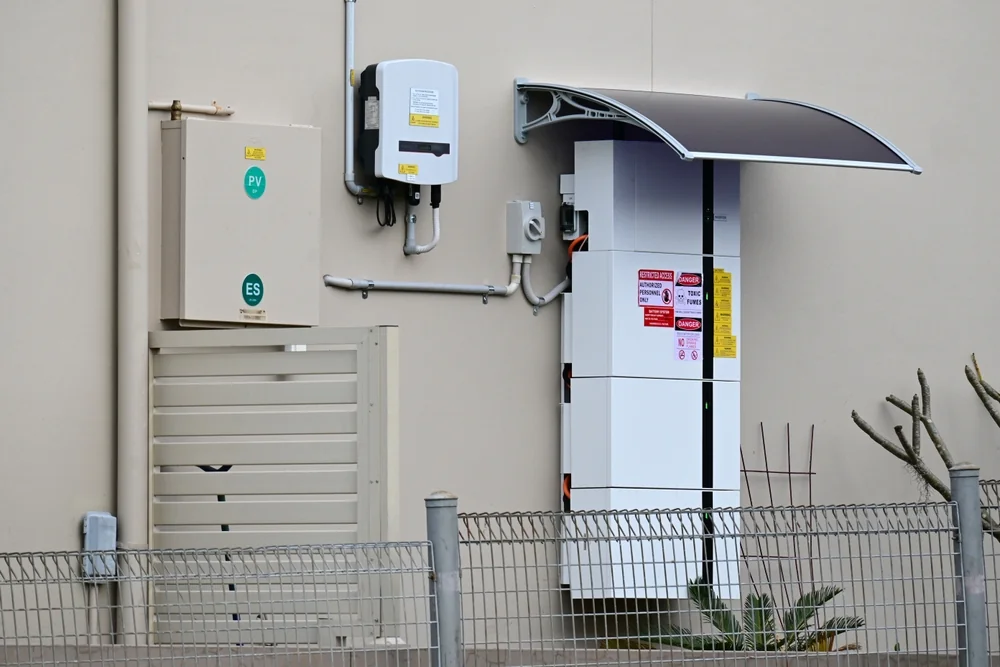
Solar batteries, hybrid inverters, generators and smart switchboards can now be combined in different ways to suit specific needs and budgets. Regulatory changes, evolving technology and local grid conditions all influence what is practical and compliant. Understanding these factors upfront helps homeowners choose a system that performs as expected during real outages, not just on paper.
The choice between solar batteries and generators depends on how long backup power is needed, which loads must remain operational and how comfortable the household is with fuel, noise and ongoing maintenance. Battery systems store energy from rooftop solar and supply it automatically when the grid fails, making them ideal for frequent but shorter outages. They can support essential circuits such as refrigeration, lighting, internet, power points and often selected comfort loads. Quiet operation and year-round bill savings make batteries an attractive option for many households.
Generators remain relevant for properties with higher demand or longer, less predictable outages. They deliver strong surge capacity for large motors and high-load equipment and can run continuously as long as fuel is available. The trade-offs include fuel storage, emissions, servicing requirements and noise. Many now benefit from hybrid systems that use batteries for everyday resilience and efficiency, with a generator integrated as a backup for extended events.
A reliable backup system starts with careful planning and correct installation. This begins with identifying which circuits must stay powered during an outage and calculating realistic energy usage rather than relying on nameplate ratings alone. Site conditions, switchboard capacity and compliance requirements all influence equipment selection and layout. Addressing these factors upfront avoids performance gaps and unexpected limitations during real outages.
Installation and maintenance considerations could be:
Building true power resilience is not just about choosing the right technology. It depends on how well that technology is assessed, installed and integrated into your existing electrical system. As backup systems become more complex, the risks of poor design or non-compliant installation increase. This makes professional electrical oversight essential rather than optional.
Licensed electricians guarantee backup systems work safely and reliably under real outage conditions. They assess load capacity, fault protection and switchboard suitability while ensuring compliance with standards and local network rules. Just as importantly, they design systems that transition cleanly during outages and reconnect safely when the grid returns. This expertise is what turns backup hardware into a dependable, long-term resilience solution.
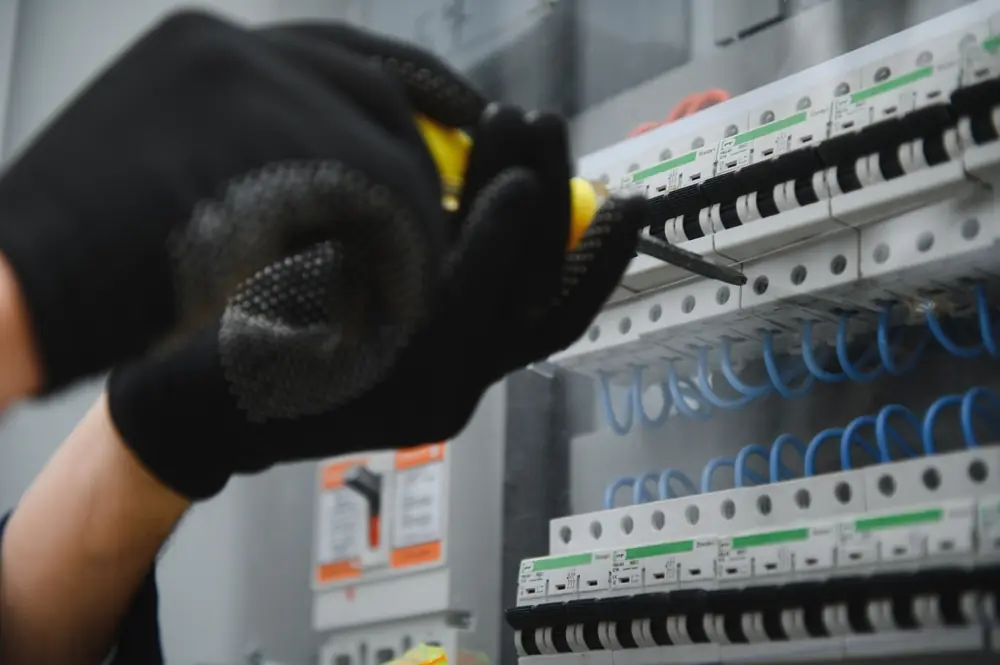
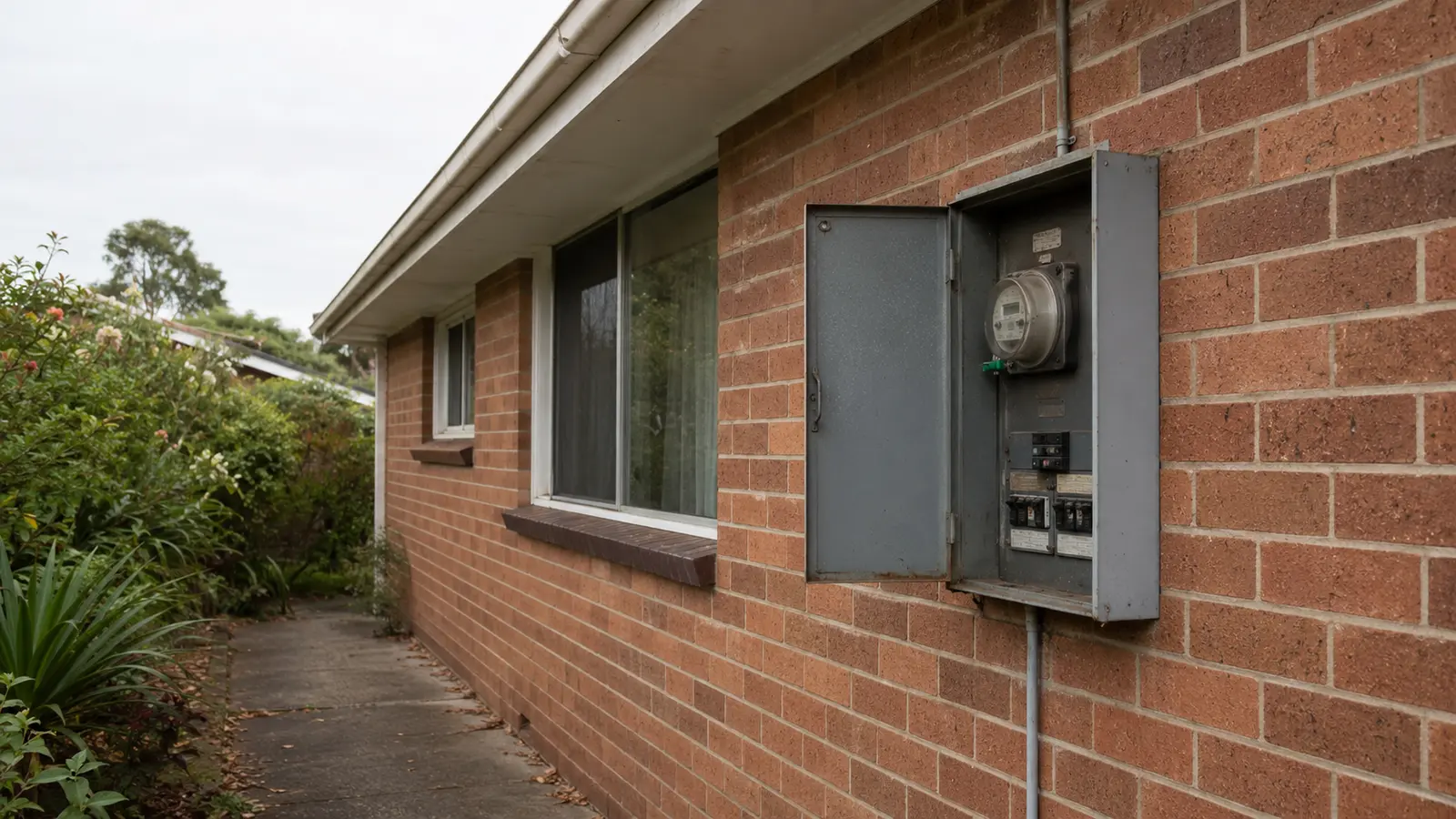
Before adding batteries, generators or microgrid equipment, a licensed electrician must assess whether the existing electrical system can safely support it. Modern homes already place heavy demand on their switchboards through air conditioning, pool equipment, EV chargers and high-load appliances. Adding backup power without understanding service capacity and circuit loading increases the risk of nuisance tripping, equipment failure or serious safety issues. A proper assessment ensures upgrades are built on a safe foundation.
This process involves reviewing the incoming supply, main switch, protective devices and each circuit’s load and condition. In many older homes, electricians uncover issues such as ageing fuse gear, missing RCD protection, undersized cabling or non-compliant alterations. Introducing solar, batteries or generators also changes fault behaviour and grid interaction, which must be assessed carefully. Only a licensed electrician can manage these risks and issue the required compliance documentation under NSW regulations.
Once capacity and safety are confirmed, system design must align with Australian standards, such as AS/NZS 3000, AS/NZS 4777 and AS/NZS 5139. These dictate how systems are wired, protected, ventilated, labelled and isolated. These requirements are not optional and apply regardless of system size. Compliance ensures the system operates safely during outages and reconnects correctly when grid power returns.
Design choices are then tailored to the homeowner’s resilience goals. A basic design may prioritise short-term backup for essential circuits, while more advanced systems integrate solar, batteries and controlled islanding capability. Environmental exposure adds another layer of consideration, requiring corrosion-resistant inclosures, suitable IP ratings and surge protection appropriate to local network conditions. Good design balances compliance, performance and durability.
Local risk factors play a role in how backup systems should be designed and installed. Coastal humidity, salt air and heat can degrade poorly specified equipment faster than expected. In bushfire-prone areas, additional care is required around equipment placement, cabling routes and fire separation. These risks must be addressed early to avoid reliability issues or non-compliance later.
A licensed electrician evaluates site-specific exposure and adjusts the design accordingly. This may involve relocating equipment to safer zones, selecting higher-rated inclosures or modifying cable paths to reduce fire risk. For semi-rural properties, longer outage durations and limited grid support also influence system sizing and redundancy. These decisions are critical to ensuring the system remains operational under real-world conditions.
Power resilience often involves more than one energy source operating together. Without proper integration, systems can behave unpredictably during outages or fail to prioritise critical loads. This is where licensed electricians add significant value.
Correct integration requires precise protection settings, communication between devices and clearly defined operating modes. The system must know when to island, how to manage loads and when it is safe to reconnect to the grid. When designed and configured correctly, everything operates seamlessly in the background. This level of coordination is essential for safe, reliable power resilience in a modern home.
With storms, outages and rising energy costs becoming part of everyday life, relying on the grid alone is no longer enough. The strongest outcomes come from a staged approach that matches technology to real household needs, site conditions and long-term goals. As we move towards 2026, we here at Hudson Electrical help homeowners design, install and support power resilience solutions that deliver reliability now and into the future.