Home electrical systems usually sit quietly in the background until something goes wrong. For households in North Shore, understanding how safe their wiring and switchboard really are can make the difference between a trouble-free home and a serious electrical incident. Hudson Electrical (Level Electrical) has seen how small warning signs like a tripping safety switch or a warm light switch can point to larger hidden problems. This article explores why regular electrical safety checks by an electrician on the North Shore are important for every home and what a practical home electrical safety checklist should cover. This guide also covers how to recognise early signs that wiring or a switchboard may no longer be safe.
This guide by Hudson Electrical (Level Electrical) will help property owners discover clear indicators of potential electrical risk. This includes flickering lights or overloaded power boards, and buzzing outlets and ageing or damaged switchboards. It will also explain what should happen if a home fails an electrical safety check. This includes the immediate steps to protect the household and when switchboard or wiring upgrades become essential. By the end, homeowners will understand what to look out for or when to call a licensed electrician and how proactive maintenance can protect their family and property.
Regular electrical safety checks are one of the most effective ways to protect a home and family from hidden electrical faults. Many issues develop gradually behind walls or inside the switchboard, where they are not visible until something goes badly wrong. A planned inspection helps pick up those problems early so they can be fixed before they cause electric shock or damage appliances and even start a fire.
For homes that may have a mix of older wiring and renovations and added appliances over time, checks are especially important. Expert electricians use these inspections to confirm that wiring and switchboards all work together properly and that the system can safely handle the way the home is used today.
Faulty wiring and overloaded circuits are a leading cause of house fires. Loose connections or overheated cables can all create hot spots that eventually ignite surrounding materials. A safety check allows a licensed electrician to test circuits under load or look for discolouration or heat damage in the switchboard to identify any signs of burning smells or scorching.
Electric shock hazards are just as serious. Missing or damaged earthing or incorrect DIY wiring can all leave metal parts live. During a safety check, professional electricians will confirm that safety switches trip quickly when they should and that outlets and fittings are in sound physical condition. These tests help reduce the risk of shocks from everyday activities such as using a hair dryer near a vanity or plugging in outdoor equipment.
Electrical rules change over time as safer equipment and better methods become available. Many homes still have older switchboards with rewireable fuses or undersized cabling that do not meet current expectations for safety and load capacity. Without a proper inspection, it is hard for a homeowner to tell whether what is on the wall is simply old or actually unsafe.
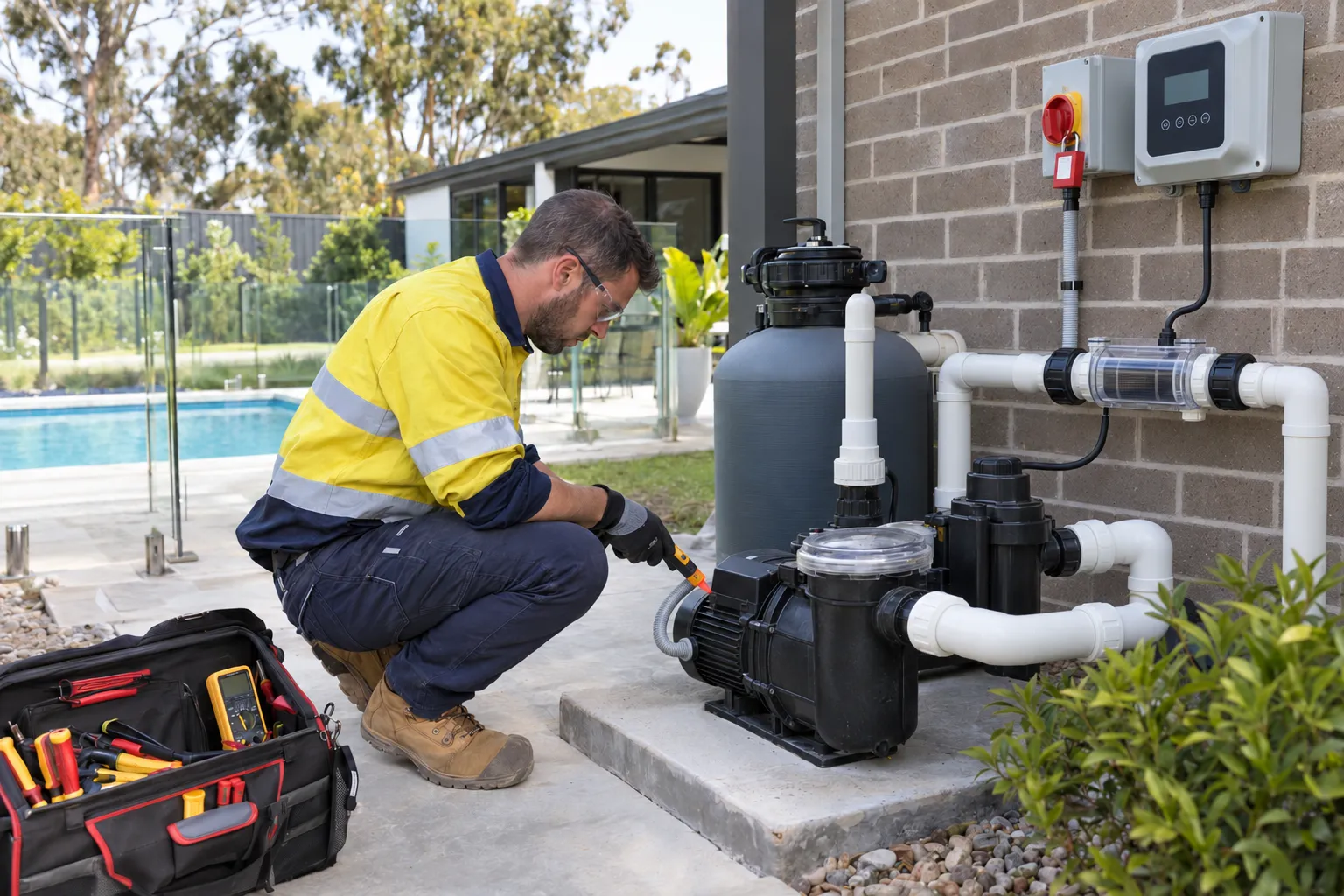
During a safety check an electrician compares the existing installation with current Australian Standards and local network requirements. That includes checking for safety switches on all required circuits and compliant installation of any additions, such as EV chargers or pool equipment. The aim is not just legal compliance but to ensure the system is robust enough for modern living with multiple high-demand appliances running at once.
An electrical system that is close to its limit can cause frequent tripping and early failure of appliances. Voltage drops from overloaded circuits or poor connections are hard for a homeowner to diagnose but are quickly found during a structured inspection.
By identifying weak points such as overloaded power circuits or loose terminations or even ageing protective devices, electricians can recommend targeted upgrades. This not only improves safety but also helps extend the life of appliances while reducing nuisance outages and giving homeowners more confidence when adding new loads like induction cooktops or larger air conditioning systems.
When a home’s wiring or switchboard is unsafe, the warning signs are often there long before a serious fault or fire occurs. Knowing what to look for helps homeowners decide when it is time to call a licensed electrician rather than taking a risk or trying DIY fixes.
Expert electricians recommend treating any unusual heat and burning smells, or buzzing or frequent tripping as urgent warning signs. The issues below are some of the most common indicators that wiring or a switchboard may no longer be safe.
If circuit breakers or fuses trip regularly, something is usually wrong. A single trip during a storm may not be a concern, but repeated tripping when using normal appliances suggests overloading or deteriorated wiring or even a faulty appliance. If a kettle and microwave cannot run together without tripping, it may indicate the circuit is underrated or the wiring is old.
Homes should also have safety switches (also called RCDs) on power and lighting circuits. If the switchboard has only old ceramic fuses or standard breakers with no test buttons, there is likely no RCD protection. That means a much higher risk of electric shock. RCDs that trip often or will not reset also point to faults that need professional testing.
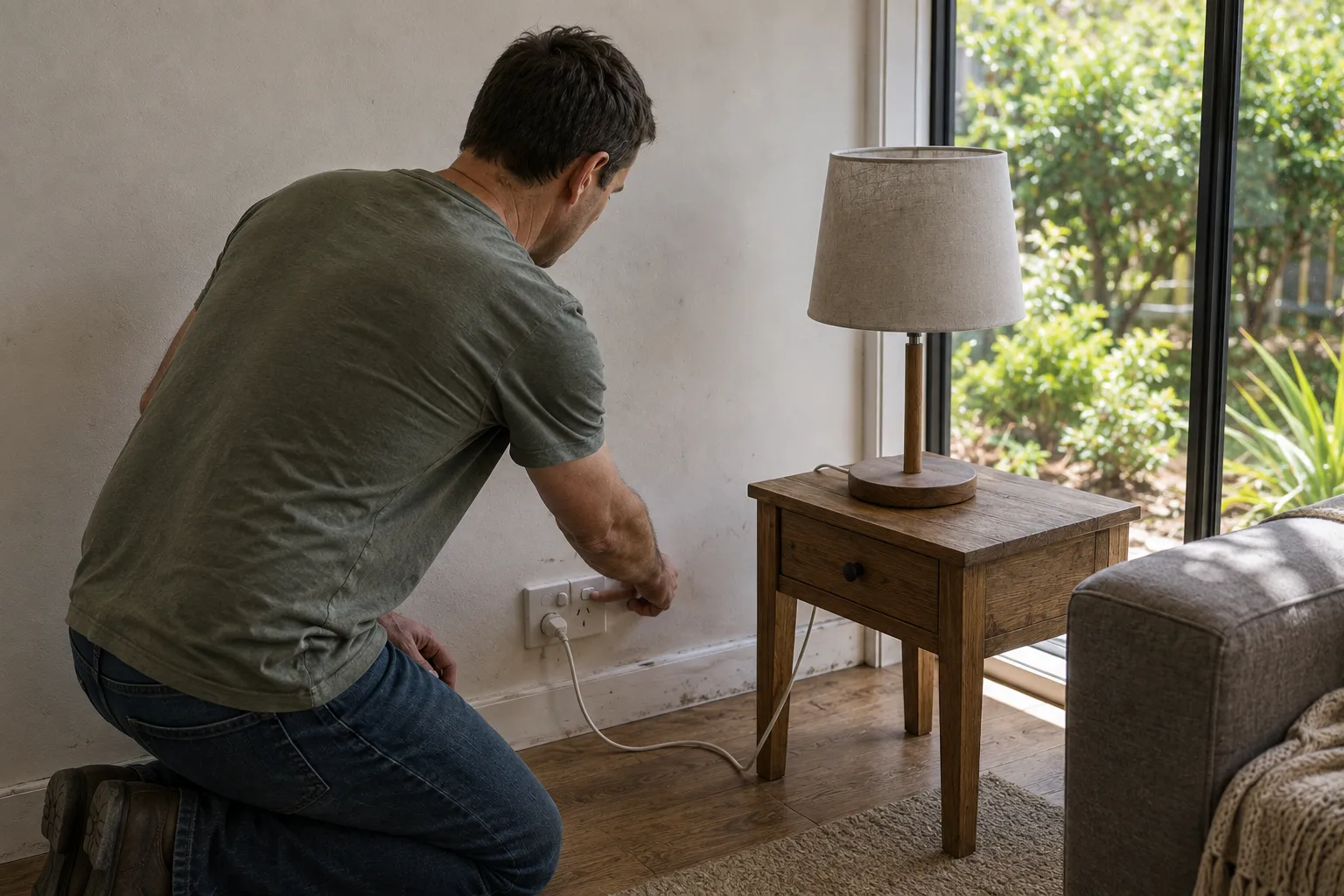
Any sign of heat around electrical fittings is a serious red flag. Warm or hot switch plates, or buzzing light switches and a faint burning smell near outlets or the switchboard can indicate a fire caused by loose connections or overloading. Discoloured or brown marks around power points or lights show that fittings have been hot enough to scorch the surface and should be checked immediately.
At the switchboard, signs such as a hot cover or soft or melted plastic and even scorch marks on fuses or breakers mean the board is under stress. Older switchboards with a tangle of wires with no clear labels and exposed conductors are also more likely to have hidden faults.
Many homes still have sections of original wiring which may no longer meet current safety standards. Cloth-covered rubber or braided cables in ceiling spaces or under the house are a strong indication the wiring is very old and likely brittle or cracked. Aluminium wiring or old VIR cables or any visible greenish corrosion are further warning signs.
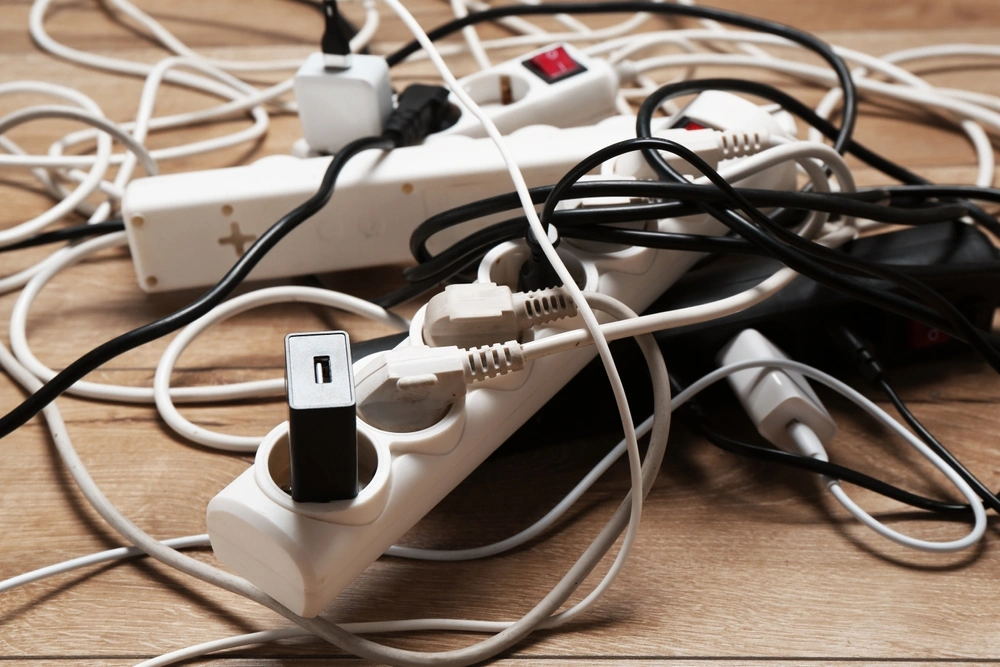
Inside the home, frayed extension leads or cracked power point faces and loose outlets that move when a plug is removed or cords pinched under furniture can all create shock and fire risks. If lights flicker regularly without any obvious cause or some outlets never seem to work properly, it may indicate deteriorating wiring behind the walls.
Whenever these signs appear, reputable electricians advise having licensed personnel carry out a safety inspection and switchboard check to confirm whether repairs or an upgrade are needed.
If an electrical safety check finds problems in a home, it does not mean the property is unsafe forever. It does mean action is needed. The priority is to remove immediate hazards, then plan and complete compliant repairs so the wiring and switchboard are safe for everyday use.
Expert electricians help homeowners understand which items are urgent and what can be scheduled and how to bring the home up to current Australian standards with as little disruption as possible.
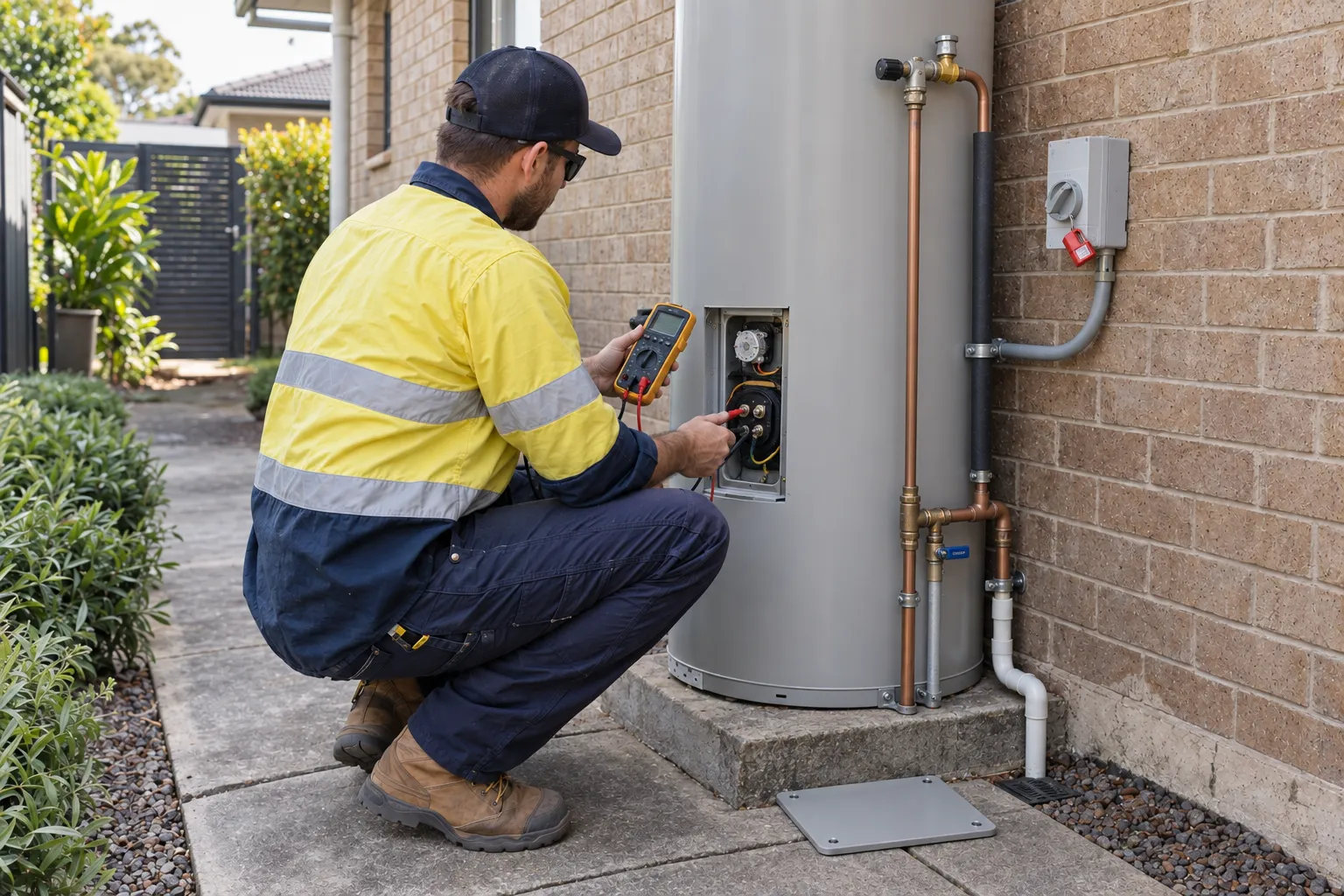
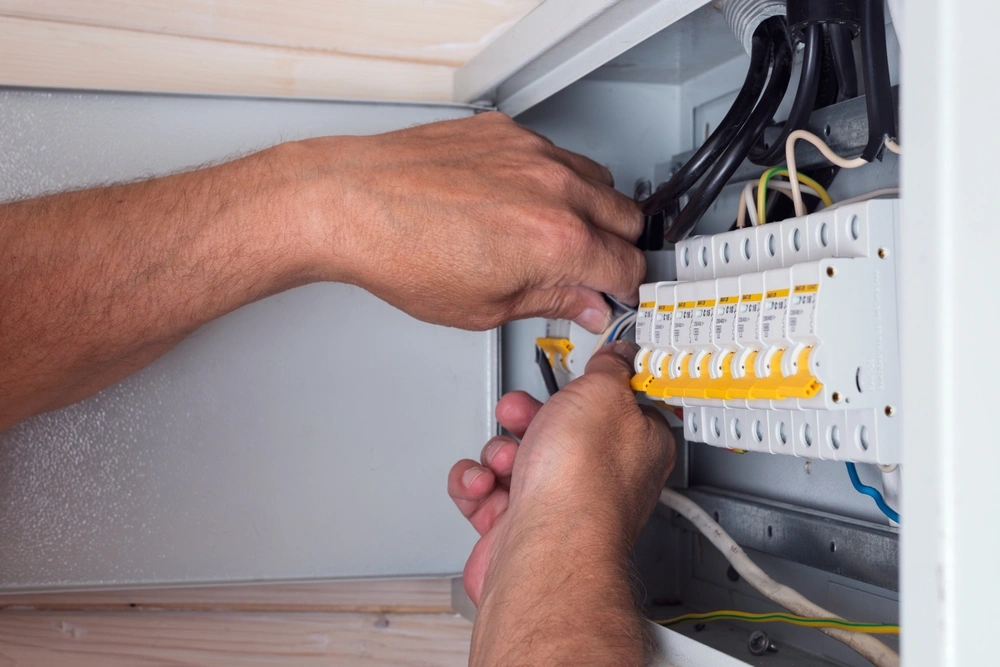
If the electrician identifies a serious risk such as exposed live wiring or overheating switchboard components or faulty safety switches, they will usually isolate the affected circuits at the switchboard. Homeowners should not turn these circuits back on until repairs are completed.
If the report highlights issues like:
The safest step is to stop using those outlets or lights and unplug appliances before contacting the professionals. In some cases the electrician may recommend temporary solutions such as:
These are short‑term measures only and do not replace proper repair or replacement.
A professional safety check should clearly outline defects and the level of risk. Electricians explain findings in plain language so homeowners know what must be fixed right away compared to items that can be planned over time.
Typical high‑priority issues include:
Moderate issues might involve damaged power points or poorly terminated cables. Low-risk items can include missing labels or minor switchboard tidy-ups or recommending surge protection. By grouping items in this way, homeowners can budget and schedule work logically instead of feeling overwhelmed.
In New South Wales, all electrical repairs and switchboard upgrades must be carried out by a licensed electrician. The experts design repair plans that match the age of the property, including future renovation plans and the electrical load the family actually uses.
Common remedial work after a failed check might include:
Once repairs are complete, a follow‑up test should be done to verify that faults have been removed and protection devices operate correctly. Homeowners should keep copies of all reports and invoices. These documents are useful for insurance or future buyers and ongoing maintenance planning.
Electrical safety in the home is not something that can be left to chance or “fixed later”. Regular electrical safety checks are essential for protecting your family and your property. Understanding why these inspections matter and knowing what steps to take if your home doesn’t meet current safety standards all work together to reduce the risk of shocks or fires.
From frequent tripping circuits and flickering lights to warm power points, each clue is an opportunity to act before a minor issue becomes a serious hazard. If your home fails an electrical safety check, it is a clear signal to prioritise professional repairs or upgrades. That means replacing old wiring or installing safety switches and even bringing your switchboard up to code. By treating electrical safety as an ongoing responsibility rather than a one-off task by engaging qualified electricians to assess and maintain your system, you can ensure your home remains safe and compliant and ready to support the way you live today and into the future.