Electrical compliance is one of the most critical responsibilities within strata-managed properties. Many buildings continue to operate with electrical systems that no longer align with current safety standards, creating risks that affect occupant safety, insurance coverage and legal compliance. For owners' corporations and strata managers, engaging a qualified electrician in the Central Coast early can prevent minor compliance gaps from escalating into costly, disruptive issues. At Hudson Electrical, we regularly assist strata schemes across NSW by identifying risks early and helping committees plan upgrades before failures or regulatory breaches occur.
Understanding where most strata buildings fall short is the first step towards maintaining a safe, compliant and future-ready property. Below, we break down the key electrical compliance issues that commonly affect strata buildings and what to do about them.
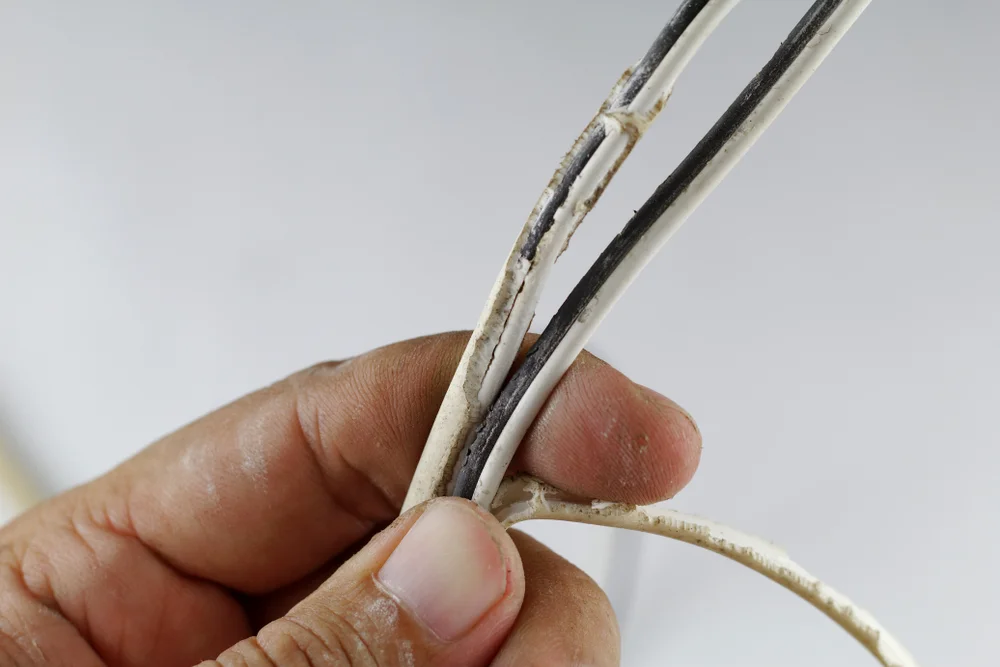
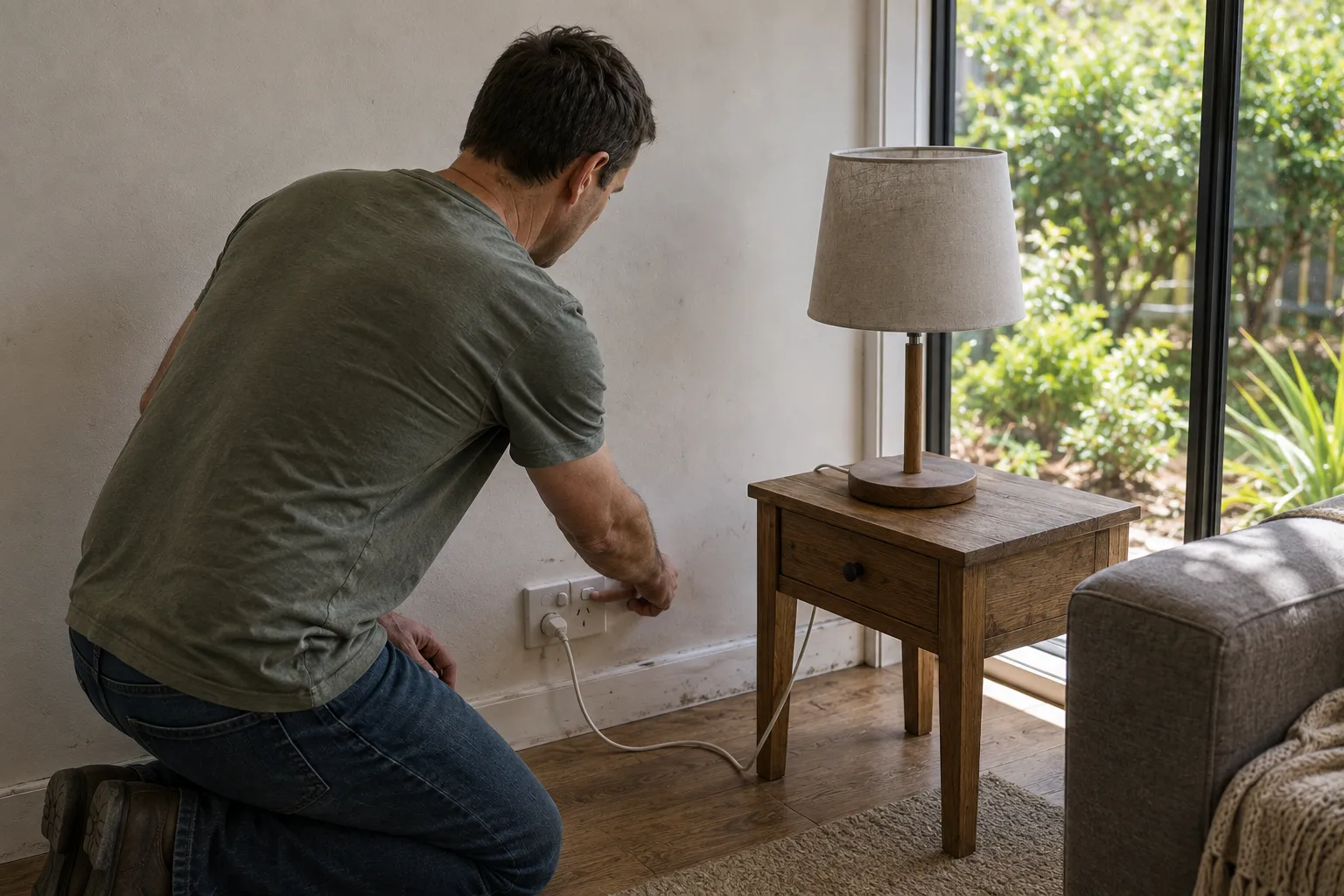
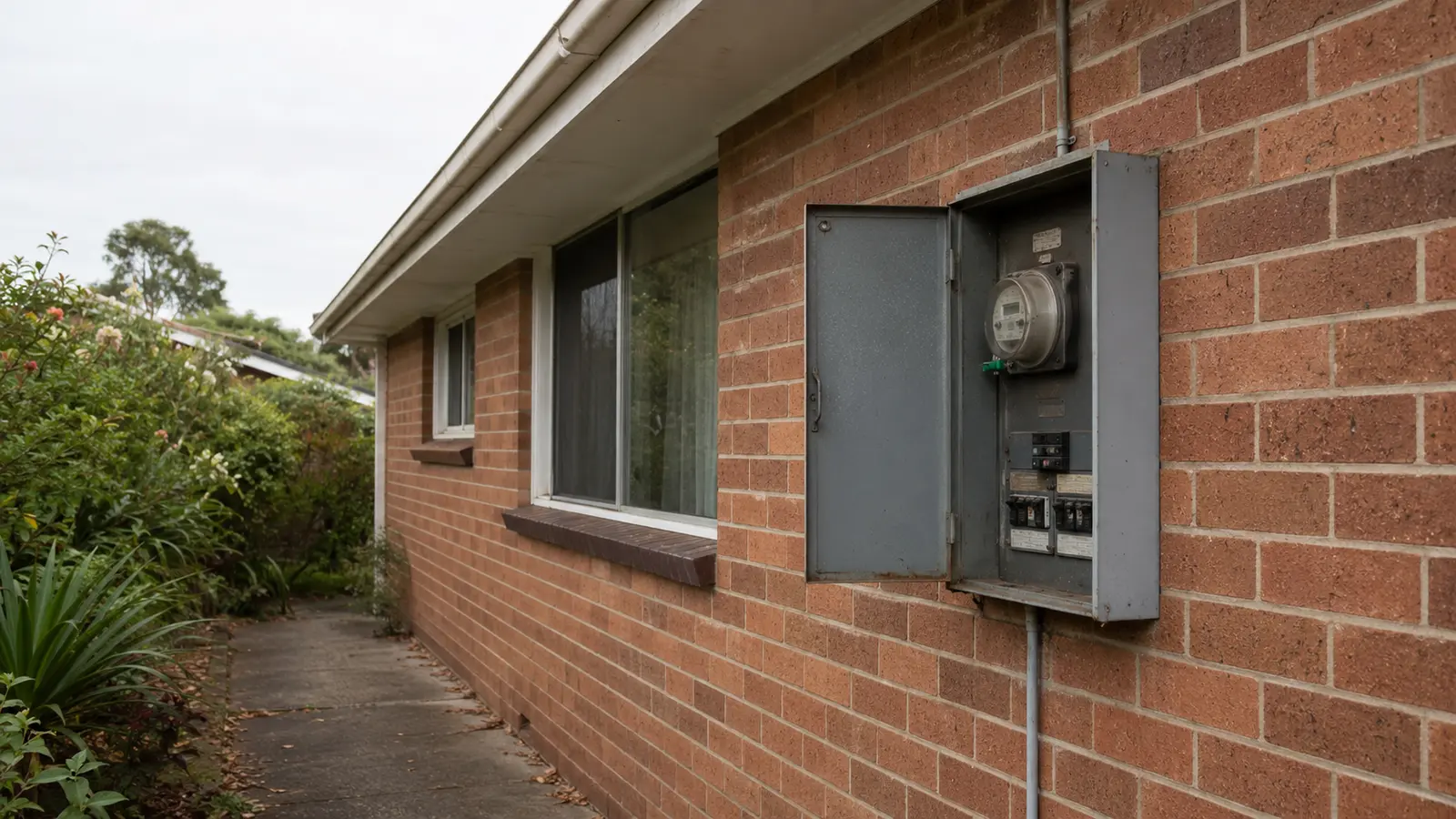
Many strata buildings were designed for a very different pattern of electrical use than what exists today. While older systems may still operate without obvious faults, they are often pushed well beyond their intended limits as apartments and common areas adopt new appliances, services and shared technologies. Electrical infrastructure that hasn’t been assessed or upgraded in years may no longer align with current standards, putting residents and owners at risk. Proactively reviewing wiring condition and capacity is essential for both safety and long-term asset protection.
Electrical wiring naturally deteriorates over time, and many older installations were never designed to handle today’s energy demands. The warning signs are often subtle, which is why problems are frequently overlooked until a fault or compliance issue arises. Common indicators of outdated or non-compliant wiring include:
Modern strata living places far greater strain on electrical systems than in the past. Air conditioning, induction cooktops, EV chargers, lifts, security systems and shared amenities all add to the building’s electrical load. When demand exceeds design limits, cables overheat, safety devices trip frequently and the risk of electrical fires increases. Overloading typically occurs when:
Not every issue requires an immediate full upgrade, but knowing when an assessment is necessary is critical. A comprehensive electrical assessment provides clarity on compliance, capacity and future planning. This helps strata committees make informed decisions rather than reactive fixes. A full assessment is strongly recommended when:
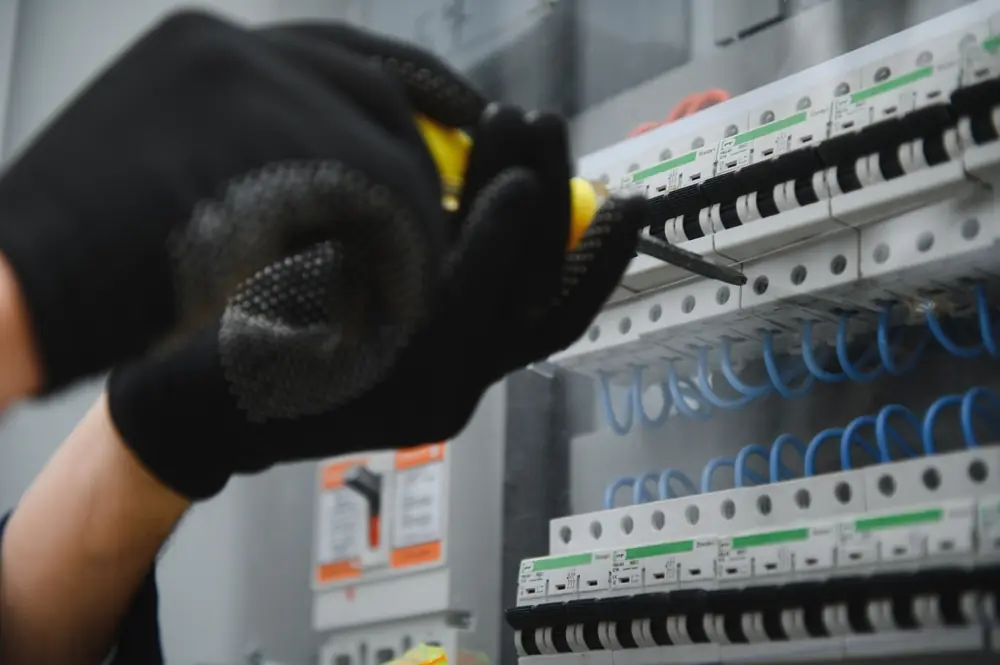
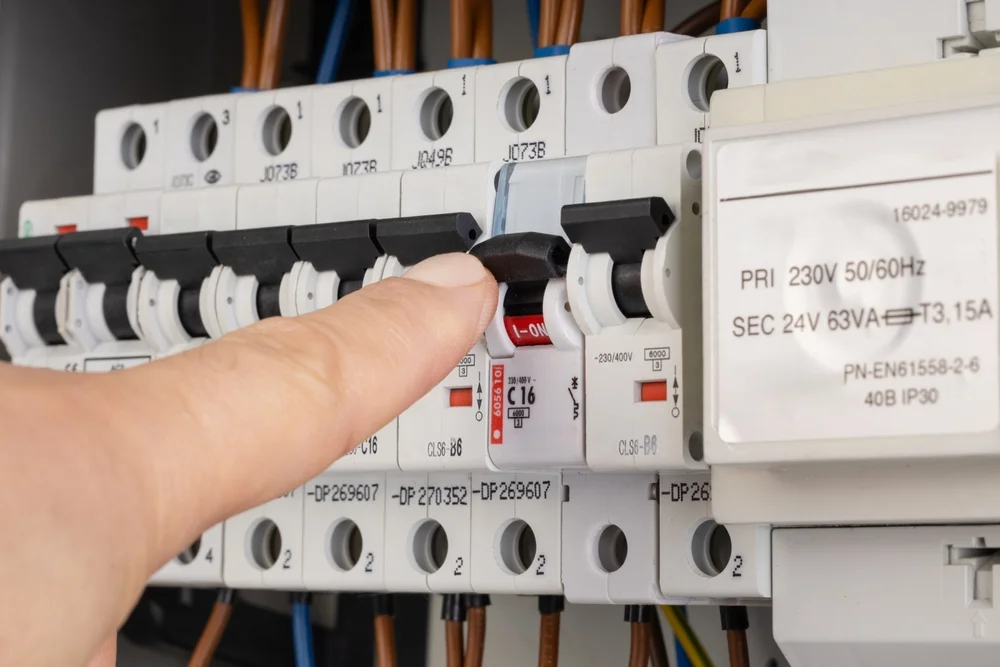
Safety switches and compliant switchboards form the backbone of electrical protection in strata buildings. NSW regulations and Australian standards place clear expectations on how electrical systems should safeguard occupants, particularly in shared environments where faults can affect multiple residents. Despite this, many strata properties still operate with outdated switchboards or insufficient protection devices, often due to gradual changes rather than deliberate neglect.
Despite clear improvements in electrical safety standards over the past two decades, many strata buildings still operate without comprehensive RCD protection. This gap is most common in older properties where electrical systems were installed long before safety switches became mandatory. In strata environments, the complexity of shared infrastructure and divided responsibilities often means upgrades are delayed or only partially completed. As a result, buildings may technically “function” while still exposing residents, contractors and visitors to serious electrical risks. Common reasons for inadequate RCD coverage include:
Switchboards often provide the clearest insight into a building’s overall electrical condition. In many strata properties, boards have been altered multiple times to accommodate repairs, new circuits or technology upgrades. When these changes occur without a coordinated compliance approach, switchboards may continue to operate while no longer meeting current regulatory requirements. Frequent switchboard-related compliance problems are:
Electrical safety devices are not installed simply to satisfy regulations; they exist to prevent real-world incidents that can cause injury, property damage or loss of life. In strata buildings, where multiple occupants rely on shared systems, the consequences of an electrical failure are magnified. A single fault in a common-area circuit can impact dozens of residents, making robust protective measures essential rather than optional. Here are some protective devices:
Electrical compliance doesn’t stop at individual units. Common areas, such as hallways, car parks, stairwells and shared facilities, carry additional regulatory responsibilities and higher public safety expectations. Because these areas are used by all occupants and visitors, even minor electrical issues can have wide-reaching consequences if left unaddressed.
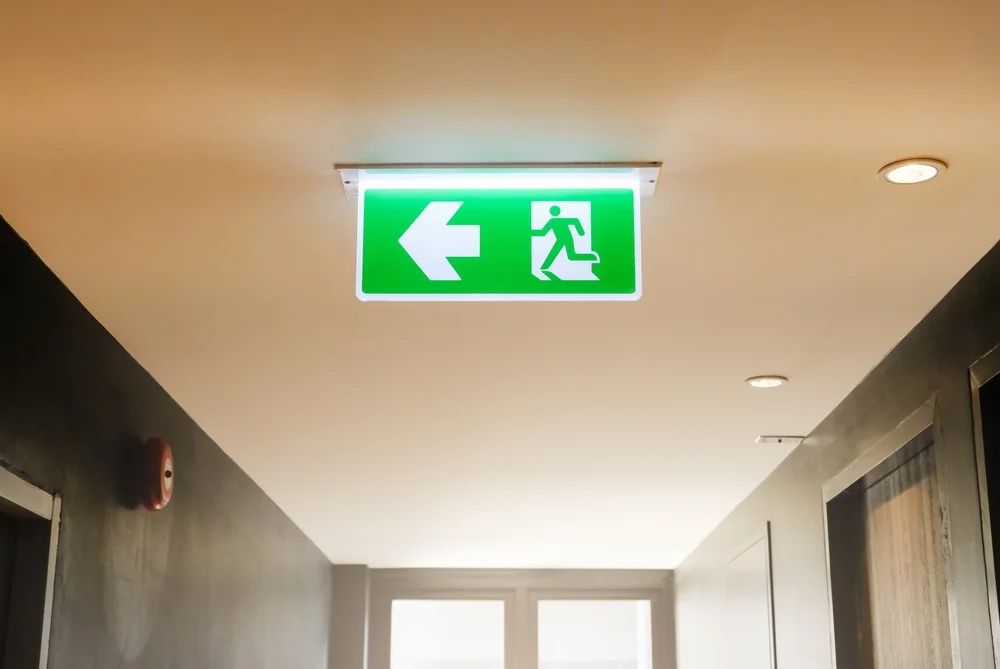
Emergency and exit lighting plays a critical role during power failures, fires and evacuations. NSW regulations require these systems to be correctly installed, routinely tested and properly documented. When emergency lighting fails, the immediate risk is not just non-compliance but confusion, delayed evacuations and increased danger to occupants during an emergency. Compliance considerations:
While common-area lighting may seem straightforward, poor maintenance can quickly become a safety and compliance issue. Inadequate lighting increases the risk of slips, trips and security incidents. Regular inspections ensure lighting remains safe, functional and compliant. Risks associated with neglected lighting include:
Responsibility for electrical compliance can be a source of confusion in strata environments. Understanding who is accountable helps prevent delays, disputes and overlooked risks. Clear communication and documented processes ensure electrical issues are addressed efficiently and correctly. Generally:
From our experience working closely with strata managers and owners corporations, electrical non-compliance is rarely intentional; it’s usually the result of ageing infrastructure, changing regulations and systems that haven’t kept pace with modern demand. Proactive electrical compliance isn’t just about meeting regulations; it’s about protection and preservation. Rather than waiting for faults, complaints or compliance notices, we help you identify risks early and plan upgrades strategically. Contact us at Hudson Electrical today to arrange a professional strata electrical assessment and ensure your property remains safe, compliant and protected.