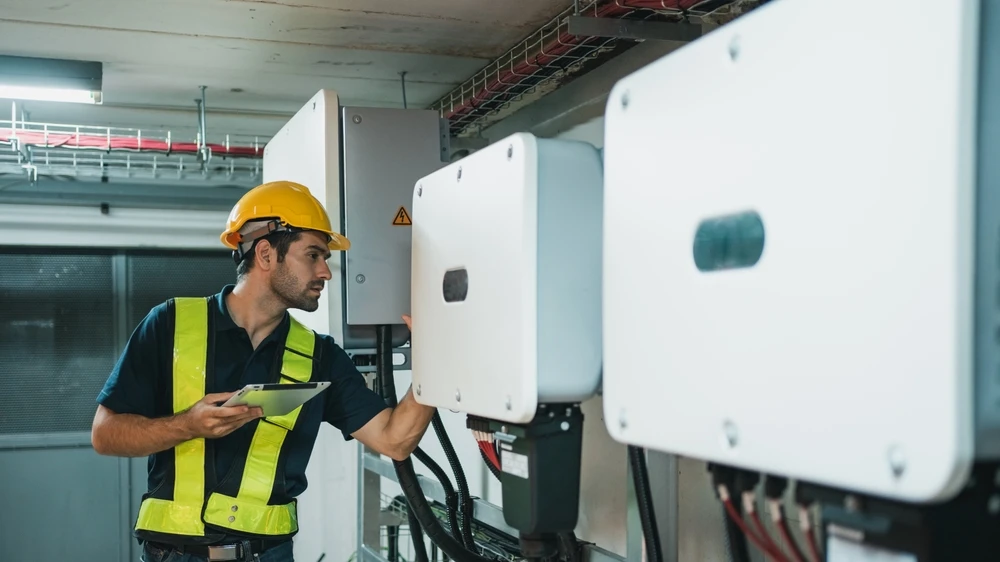
Electrical safety rules change over time as technology improves and households rely on more power than ever before. In 2025, new updates to electrical safety certificates will change how homeowners organise electrical work, confirm compliance and keep records for future inspections. Many people are still learning what these changes involve, especially when booking electrical work or planning renovations.
If you are unsure how the new requirements apply to your home, speaking with a licensed electrician in Central Coast can help you understand the steps involved. This guide explains the key updates, what they mean for everyday electrical work and how to stay compliant without confusion.
The updates introduce clearer reporting standards, expanded scenarios where certificates are mandatory and greater accountability for electricians and homeowners. These reforms aim to eliminate confusion around when safety certificates are required while tightening compliance to reduce risks associated with non-certified electrical work. To help you understand the changes, this section provides a detailed look at the new requirements, the type of electrical work now covered and the updated penalties for unsafe or unlicensed activity.
As electrical systems become more complex with the rise of solar, EV chargers and smart home devices, the rules strengthen on how electrical work must be reported and documented. The new rules spell things out clearly, so you get consistent and accurate paperwork no matter which electrician you use. Under these updates, you’ll notice:
One of the biggest shifts in the changes involves expanding the types of electrical work that require a safety certificate. A lot of jobs that never needed paperwork before now do, mainly to stop issues going unnoticed behind the scenes. You now need a safety certificate for:
The updated rules introduce stronger penalties for unlicensed electrical work and failing to issue or retain certificates. These changes also close loopholes that previously allowed unlicensed work to slip through unnoticed. Some changes include the following:
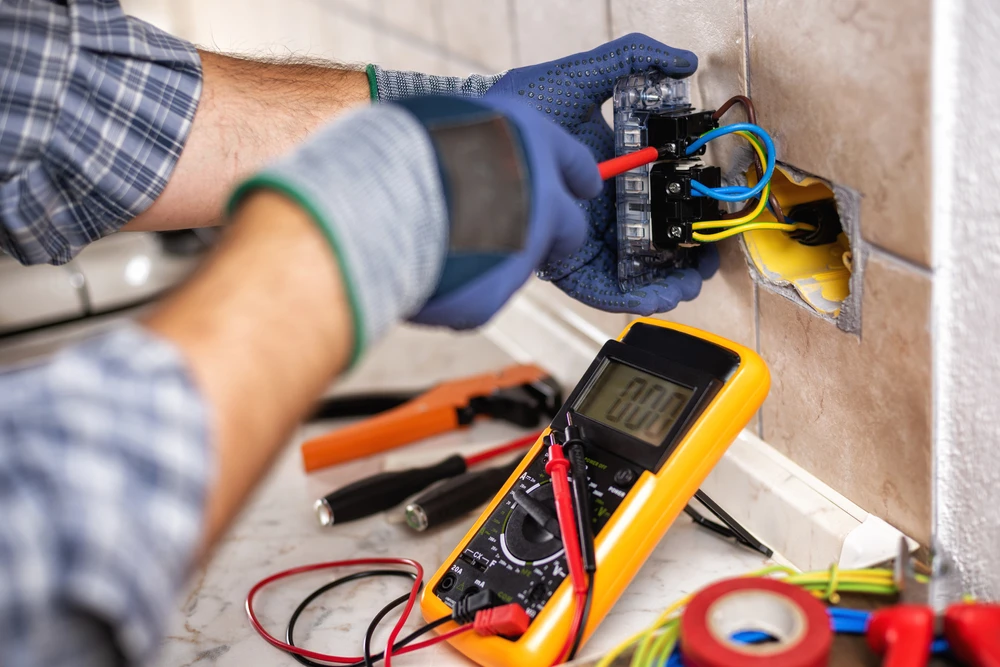
The reforms aren’t just administrative updates; they reshape how homeowners plan, manage and verify electrical work. Expect more upfront checks and clearer explanations from your electrician before any work begins. Here, we explain what homeowners should expect, how these rules impact major projects and why the changes ultimately make homes safer and more accountable.
With the new rules in place, homeowners can expect electricians to conduct more thorough assessments before, during and after electrical work. Inspections are now more thorough, especially around switchboards and protective devices, so faults can be caught early. During typical work, electricians will now:
If you’re planning home upgrades, the new rules will directly influence how your project is scoped, documented and certified. Renovations, especially kitchen, bathroom or outdoor upgrades, often involve electrical alterations and these can no longer be signed off informally. Here’s how the changes affect major projects:
While the new requirements may seem stricter, they serve a crucial purpose: protecting homeowners from electrical hazards, hidden wiring issues and unlicensed work. If something ever goes wrong, you can easily see who worked on the system and what was tested. Here are some of its benefits:
Understanding the rules is one thing; applying them correctly is another. This outlines practical steps homeowners can take to meet the requirements, avoid penalties and maintain a safe electrical system. From pre-work planning to choosing the right electrician and storing certificates, these actions will help you stay organised and compliant for years to come.
Many underestimate how much planning goes into even minor electrical tasks, but the new regulations require you to take greater responsibility for ensuring the work is legal, safe and properly documented. This means asking the right questions, confirming your electrician’s qualifications and understanding what certificates must be issued at the end of the job. By preparing early, you can avoid delays, compliance issues and unexpected costs. Your pre-work checklist should include:
Under the updated regulations, electricians must follow a more structured workflow, which means homeowners need to understand what to expect from their tradesperson. Many issues arise not from poor workmanship but from miscommunication, unclear expectations or missing documentation. By having a clear understanding of the electrician’s responsibilities and your own role as the homeowner, you’ll be better positioned to receive accurate certificates, understand test results and ensure the work aligns with current safety standards. Building a collaborative relationship with your electrician not only improves compliance but also ensures long-term safety and performance of your electrical system.
Record-keeping is one of the most important responsibilities introduced under the 2025 reforms, and it protects your property long-term. Electrical safety certificates aren’t just paperwork; they create a documented history of every change, upgrade or repair made to your home’s electrical system. These records are incredibly handy down the track, whether you’re claiming insurance, renovating or selling your home. Without them, you risk delays, disputes or even invalidated warranties. By maintaining organised and accessible records, you future-proof your home and ensure that every electrical decision is backed by clear evidence of compliance and safety.
The 2025 Electrical Safety Certificate changes mark a major shift in how electrical work is documented, inspected and verified across Australian homes. While the new rules introduce stricter requirements, they also offer stronger protection for homeowners. No matter what work you’re planning, the key is knowing what the new rules expect from you. If you need help navigating it all, Hudson Electrical can guide you through every step. If you want to ensure your home meets the new electrical safety standards, Hudson Electrical is ready to help. Our licensed electricians stay up to date with every regulatory change and provide clear guidance, compliant documentation and reliable workmanship for all electrical projects.