



New oven arriving or switching to induction? Hudson Electrical handles electric oven installation and cooktop connections for kitchens across the Central Coast, including new circuits when your existing wiring is not up to the job.
New oven arriving or switching to induction? Hudson Electrical handles electric oven installation and cooktop connections for kitchens across the Central Coast, including new circuits when your existing wiring is not up to the job.
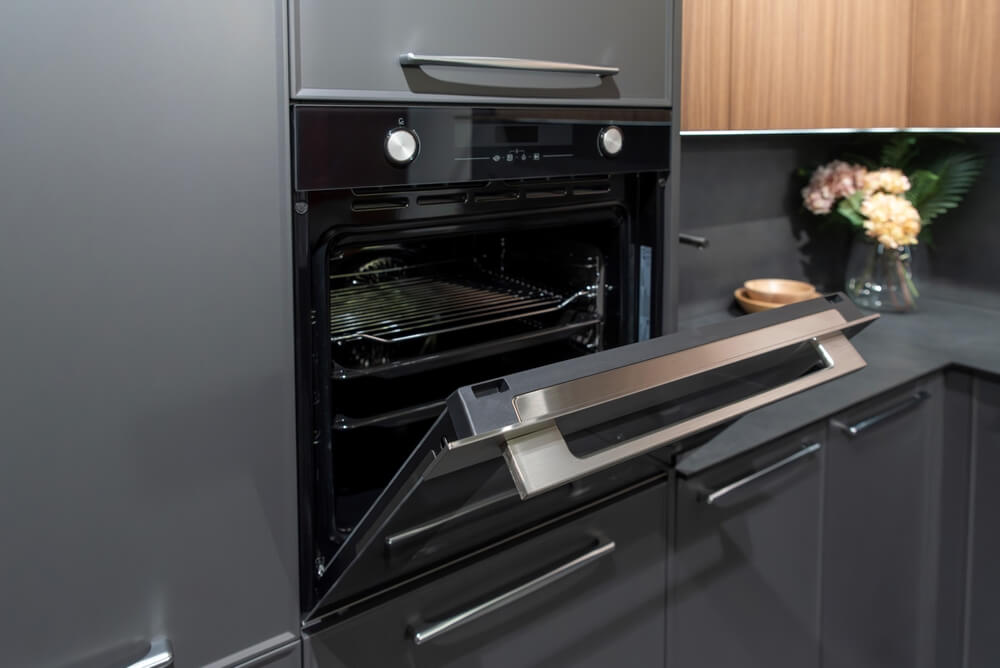
Ovens and cooktops are among the most power-hungry appliances in a home. They need the right cable, the right circuit protection and a secure connection, which is why most electric cooking appliances must be connected by a licensed electrician.
Our oven installation service covers everything from a straight swap of a like-for-like wall oven to a full upgrade with a new induction cooktop on a dedicated circuit. We check that your kitchen can safely handle the appliance before connecting it, then test it so it is ready to use the same day.
We install and connect a wide range of electric cooking appliances, including:

A new oven or cooktop can draw more power than the one it replaces. Older kitchens were often wired for smaller appliances, so plugging in a modern unit can overload the circuit, trip the breaker or cause cables to overheat.
Before installing, we check:
If anything needs upgrading, we explain what is required and why before any extra work goes ahead. Sometimes the switchboard itself needs attention. Our switchboard upgrades service can handle that.
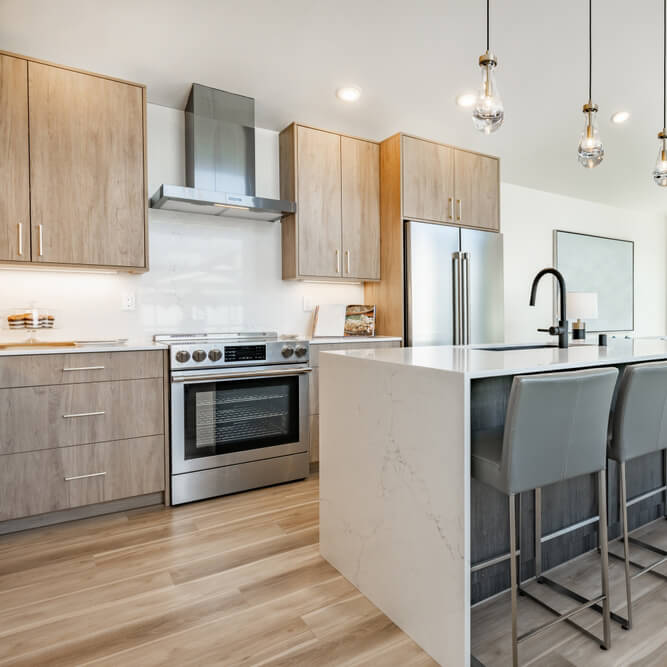
Induction cooktops heat fast, are easy to clean and are popular with households moving away from gas. They usually need a higher capacity circuit than a basic ceramic cooktop. Swapping a gas cooktop for induction often means running a new cable from the switchboard to the kitchen.
We take care of the electrical side of the change. Disconnecting and capping a gas supply must be done by a licensed gas fitter. If you are thinking about replacing more gas appliances, our gas to electric conversions page explains how a whole-home switch works.
A renovation is the best time to plan cooking appliance circuits properly. Knowing the exact models early lets us run cabling to the right positions before cabinetry goes in, so connection points are hidden and accessible.
If you are planning a new kitchen, read our guide on electrical upgrades you might need for a kitchen renovation. It covers circuits, power points and lighting worth considering before work starts.
Not every problem means a faulty appliance. The connection or circuit may be the cause if:
If you notice burning smells or scorch marks, turn the appliance off at the isolation switch and the switchboard and have it checked before using it again.
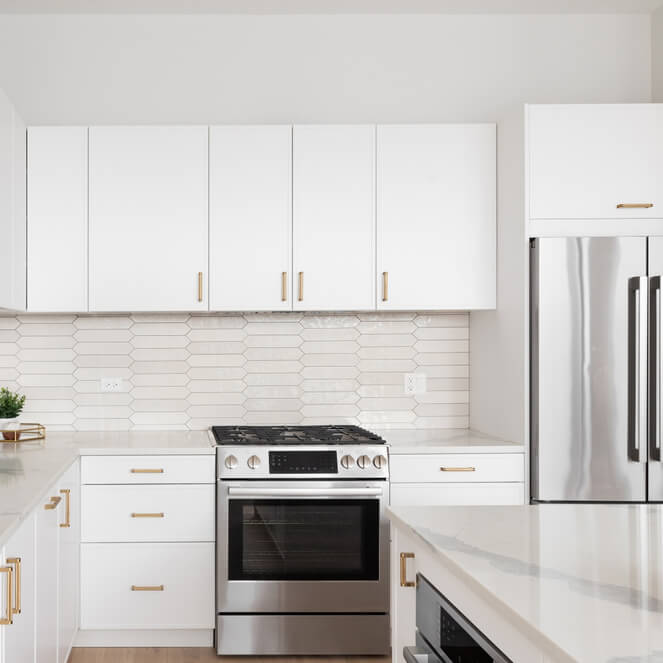
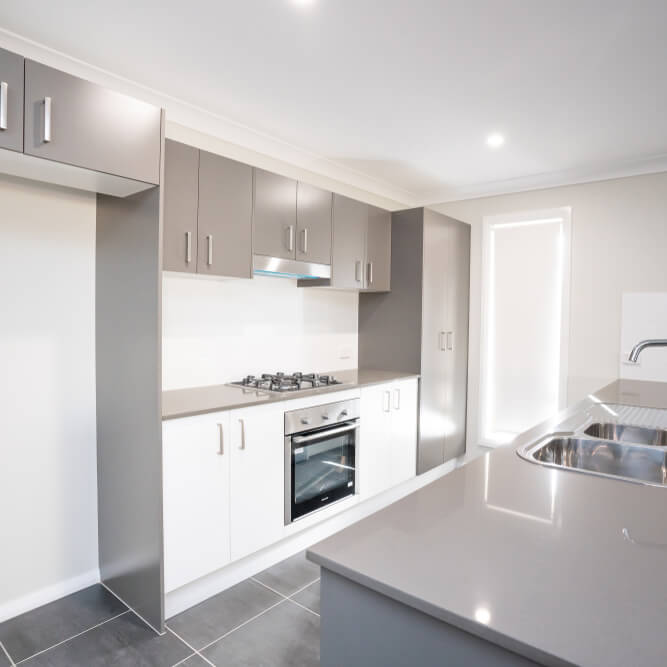
Hudson Electrical has been connecting kitchen appliances across the Central Coast since 1999. With us you get:
Our team also connects other household appliances, such as electric hot water units. For faults with an existing system, see our hot water system repairs page.