When the power cuts out in the middle of the night or a burning smell develops near a power point, it can be difficult to decide whether to call an emergency service or wait until morning. Acting too slowly can increase the risk to people and property, while unnecessary callouts can lead to avoidable costs. At Hudson Electrical (Level Electrical West Gosford), guidance from a qualified electrician on the Central Coast helps homeowners and businesses understand what truly qualifies as an electrical emergency and what can safely be handled during standard hours.
This article explains how to identify warning signs that indicate immediate danger, including sparks, burning smells, repeated tripping and partial power loss. It outlines the difference between urgent faults and non-critical issues, the role of safety devices in the switchboard and the practical steps that can reduce risk while waiting for assistance.
Judging whether an electrical problem is an emergency in the middle of the night can be stressful and confusing. Symptoms that look minor can hide serious faults and dramatic issues like a burning smell can sometimes be less urgent than they appear. Fatigue, darkness and concern for family safety all make calm assessment more difficult.
Electrical systems are also largely hidden in walls, ceilings and switchboards. Without test equipment and training, it is very hard to know if a problem is isolated to one appliance or affecting the whole installation. This uncertainty is why many people either ignore genuine hazards or overreact to issues that could safely wait until morning.
Many electrical dangers are invisible. A cable can be overheating behind plaster or a connection can be arcing inside a switchboard without any obvious external sign. The first visible clue might be a faint scorch mark, a slight buzzing or occasionally nothing at all until power fails.
At the same time, some obvious symptoms are not always as straightforward as they look. A single tripped safety switch may be caused by a faulty appliance plugged into a healthy circuit. An occasional light flicker in a storm may relate to the street supply rather than a fault in the home. From the outside, these issues can look similar to serious wiring defects.
Because of this mismatch between what can be seen and what is actually happening inside the wiring, the average person often has to rely on guesswork. Without knowing if a problem is getting worse or is safely contained, it becomes difficult to decide whether to call an emergency electrician immediately or wait for standard hours.
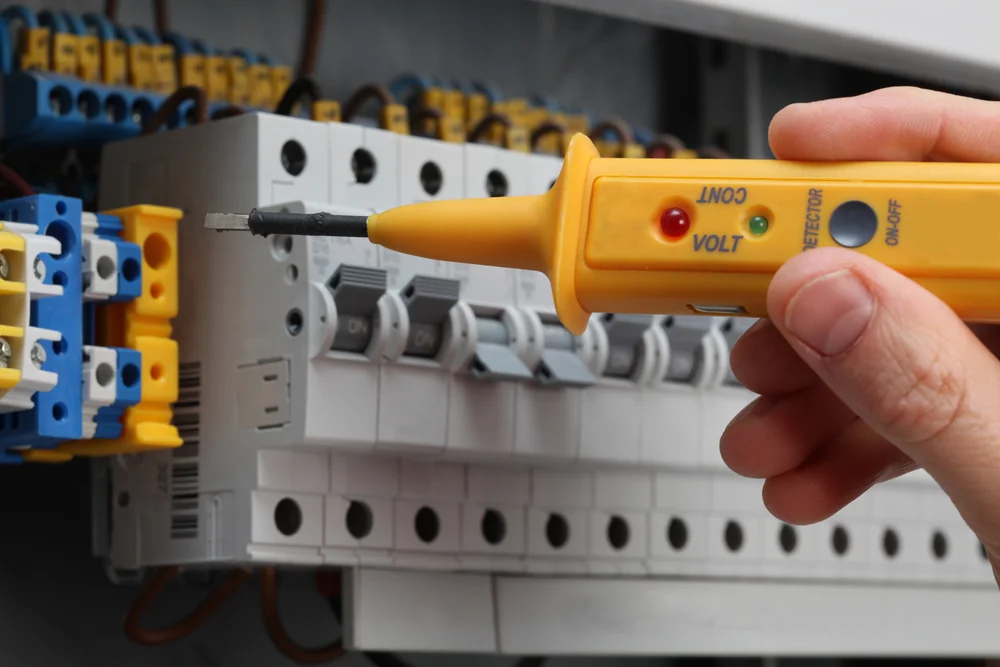
Modern homes in West Gosford typically have circuit breakers, safety switches and other protective devices fitted in the switchboard. These are designed to cut power quickly to reduce fire and electric shock risk, but their operation can be confusing.
Many people are unsure what tripped or why. A safety switch that will not reset might indicate a serious insulation fault, water ingress or a damaged appliance. The same symptom can also occur if multiple high‑demand appliances are used on one circuit. In the middle of the night, with poor lighting and limited understanding, it is very easy to misread these clues.
Online information can add to the confusion. Guides that describe generic symptoms do not account for the specific layout, age and condition of a particular electrical installation. As a result, the same situation can be described as minor in one source and urgent in another, leaving the homeowner uncertain and anxious.
After-hours conditions make calm problem‑solving more difficult. Limited lighting can hide signs like discolouration around power points, frayed cords or small wisps of smoke. Background noises are also different at night, making electrical buzzing harder to pinpoint.
There is also pressure to restore power quickly, particularly if refrigeration, medical equipment or heating and cooling are affected. Concern for children or older family members may push someone to either delay action to avoid disruption or call an emergency electrician immediately, simply for peace of mind.
Fatigue reduces judgement, increasing the temptation to take unsafe shortcuts such as repeatedly resetting a tripping safety switch or unplugging and replugging devices without fully considering the risk. All these factors combine to make it genuinely difficult to decide if an electrical issue must be treated as an emergency or can reasonably wait until normal business hours.
Certain electrical problems cannot wait until morning. Some faults indicate an immediate risk of fire, electric shock or serious damage to appliances and wiring. Recognising these warning signs and acting quickly is essential for keeping people and property safe.
If any of the following issues occur, the safest choice is to turn the power off at the main switch if it is safe to reach and contact an emergency electrician straight away.
A persistent burning smell from a switchboard, power point, light fitting or appliance usually points to overheating or melting insulation. This can escalate into an electrical fire with little warning. Smoke, visible charring or brown or black scorch marks around outlets or fittings are clear danger signs.
If a burning smell is noticed and the source appears to be electrical, do not ignore it or attempt to keep using the circuit. Turn off the affected appliance or light, switch off power at the main switch if safe and call an emergency electrician immediately.
Visible sparks from a power point, light switch or the switchboard are never normal. Large or frequent sparks suggest loose connections or short circuits that can ignite nearby materials. Cracking or buzzing sounds from switches or the switchboard belong in the same high‑risk category.
Circuit breakers or safety switches that trip occasionally may relate to an overloaded circuit. However if they:
The problem should be treated as urgent. Sudden loss of power to only part of the property can also indicate a serious fault in a circuit or the main switchboard that needs immediate professional attention.
Any shock, zap or even a mild tingle when touching an appliance, tap, metal fitting or power point is a strong indicator of a potentially life‑threatening fault. This can mean an appliance is faulty, a protective earth is compromised or an active conductor is energising metal parts.
If this occurs, do not touch the appliance or fitting again. Turn off power at the main switch if safe, keep people and pets away from the area and contact an emergency electrician straight away. If someone receives a significant electric shock, call 000 first.
Exposed wiring, hanging light fittings with visible conductors or damaged power points that reveal internal parts should be treated as live and dangerous, especially where children are present. Similarly, any situation where water is in contact with electrical equipment, such as flooding around the switchboard, ceiling leaks into light fittings or a soaked power point, requires immediate attention.
In these cases, avoid contact with the affected area, do not attempt repairs and, if it is safe to do so, isolate power at the main switch before calling an emergency electrician.
Not every electrical issue in a West Gosford home or business needs a middle‑of‑the‑night callout. Some problems are inconvenient or annoying rather than dangerous and can usually wait until standard business hours, provided there is no smell of burning, visible smoke, signs of heat damage or risk to anyone’s safety.
Knowing which problems can safely wait until morning helps avoid unnecessary emergency fees and reduces stress while still keeping people and property protected.
A single circuit breaker that occasionally trips with no burning smell or visible damage often points to an overloaded circuit rather than an urgent hazard. Common examples include running a kettle, toaster and microwave on the same kitchen circuit or using multiple electric heaters on one power circuit.
If a breaker trips:
If the breaker holds after reducing the load and there is no buzzing, heat or odour from the switchboard, it usually can wait for daytime inspection. However, if the same breaker trips repeatedly, even with light usage or will not reset at all, the situation becomes more urgent and should be treated as a potential fault rather than a simple overload.
A single non‑working power point or a light that suddenly stops working without any other symptoms is rarely an emergency. Often, the cause is a failed globe, a worn mechanism or a minor wiring issue that does not present an immediate risk.
For lights, try replacing the globe with a new one and check that the light switch feels normal and is not hot to the touch. For power points, test the appliance in a different outlet and check that the switch on the power point is fully on.
If only one or two outlets or lights are affected and there is no sparking, charring or smell of burning plastic, the repair can typically wait until standard hours. Any sign of heat, crackling, visible arcing or damage upgrades the situation to an emergency and power to that circuit should be turned off at the switchboard.
Slight or occasional flickering from lights in a single room is often caused by a loose globe connection, an ageing LED driver or dimmer compatibility issues. In many cases, it is more of a comfort problem than an immediate hazard.
Reasonable steps before calling an emergency electrician include:
If flickering is limited to one area and does not coincide with appliances turning on and off, it can often wait until morning. However, widespread flickering throughout the property, lights dimming when major appliances start or flickering combined with buzzing from the switchboard should be treated as urgent and power may need to be switched off until checked.
Once it is clear that an electrician is required, the next question is how to stay safe until help arrives or until morning. The priority is always to reduce the risk of fire, electric shock and further damage to the home without taking unnecessary risks or attempting technical repairs.
Simple actions such as turning off the correct switch at the switchboard, keeping family members away from danger areas and avoiding the use of affected appliances can lower the chance of a serious incident.
If it is safe to approach the switchboard and there are no signs of fire or melting plastic, the first step is usually to turn off power to the affected circuit.
Identify the circuit breaker or safety switch that has tripped or that relates to the affected area, such as “kitchen” or “power points”. If it has already tripped, leave it off. If it has not yet tripped, but there is a burning smell, sparking or overheating in that area, turn that individual breaker or safety switch off. Avoid switching the main power off unless advised by an electrician or if there is a clear and immediate risk such as smoke from the switchboard or multiple circuits affected.
Never open covers inside the switchboard or touch exposed wiring. If there is visible damage, scorching or buzzing at the switchboard, stand clear, keep everyone away and wait for the electrician outside the property.
After power is isolated to the problem area, the next focus is on keeping people away from potential contact with live parts or damaged equipment.
Keep children and pets out of rooms with suspected electrical faults, especially where there is water, such as bathrooms, kitchens or outdoors. Do not touch or move a sparking outlet, a damaged power point or a hot light fitting. If a ceiling light is flickering or hot to the touch, turn off its wall switch and the lighting circuit at the switchboard, then avoid using that fitting.
If an appliance is smoking, sparking or has a burning smell, turn it off at the wall first, then unplug it if it can be reached without touching any damaged or wet surfaces. Move flammable items like curtains, paper or cleaning products away from any area where heat or sparks have been noticed.
Water and electricity together are a high-risk combination and require extra caution.
If a leak, flooding or stormwater has reached power points, extension leads or appliances, do not touch any of these items. Stay out of standing water that may be in contact with electrical outlets or cords. If it is safe and dry to reach the switchboard without stepping in water, turn off power to the affected circuit or the main switch if the extent of the water is unclear.
Do not use wet appliances or those that have been submerged, such as pool pumps, outdoor power tools or white goods, after a flood. Wait for an electrician to confirm they are safe. Avoid using outdoor power points after heavy rain if there is any sign of moisture inside the outlet or cover.
Clear information at the first phone call helps an electrician decide if the situation is an emergency and how quickly attendance is required. A calm, factual description also allows accurate advice on what to do while waiting, including any immediate safety steps. Focus on what is happening right now, what has changed and any signs of burning or damage. Avoid guessing the technical cause. Instead, describe what can be seen and heard.
Begin by saying whether anyone is in danger or if there are signs of fire or burning. This is always the priority.
Next, give location details. Specify whether the property is a house, unit, duplex or commercial site and provide the suburb. If the issue is confined to one room or area, such as the kitchen, garage or outdoor power point, say so. This helps the electrician quickly assess likely risks and equipment needed.
Use simple observations instead of technical language. Useful details include:
If circuit breakers or safety switches are tripping, explain which ones and how often. For example, say “the safety switch for power points trips every time the kettle is turned on” rather than “the RCD is faulty”. If unsure, describe the position and label on the switchboard instead of guessing.
If there was a trigger event, such as a storm, lightning, water leak, recent DIY work or a new appliance being plugged in, mention that as part of the description.
Clarify what still has power. If the lights work but the power points do not, or if only one part of the property is affected, say so. This helps distinguish between a local fault and a supply or network issue.
If unsure whether it is safe to reset a tripped breaker, say that no attempt has been made rather than experimenting. Provide information on vulnerable occupants, such as small children, elderly residents or essential medical equipment that relies on power. This context can influence how urgently the call is prioritised.
Determining whether an electrical issue requires an emergency response comes down to three key factors: immediate danger to people or pets, visible damage to electrical components and loss of essential power that cannot be safely managed. Burning smells, smoke, water contact with electrical systems, repeated unexplained tripping, or disruption to critical equipment indicate a genuine emergency that requires immediate attention. Less critical issues can generally be scheduled during normal business hours, provided the affected circuit is isolated and left unused. Where uncertainty remains, the safest approach is to prioritise risk reduction by isolating the problem where possible and seeking professional advice.