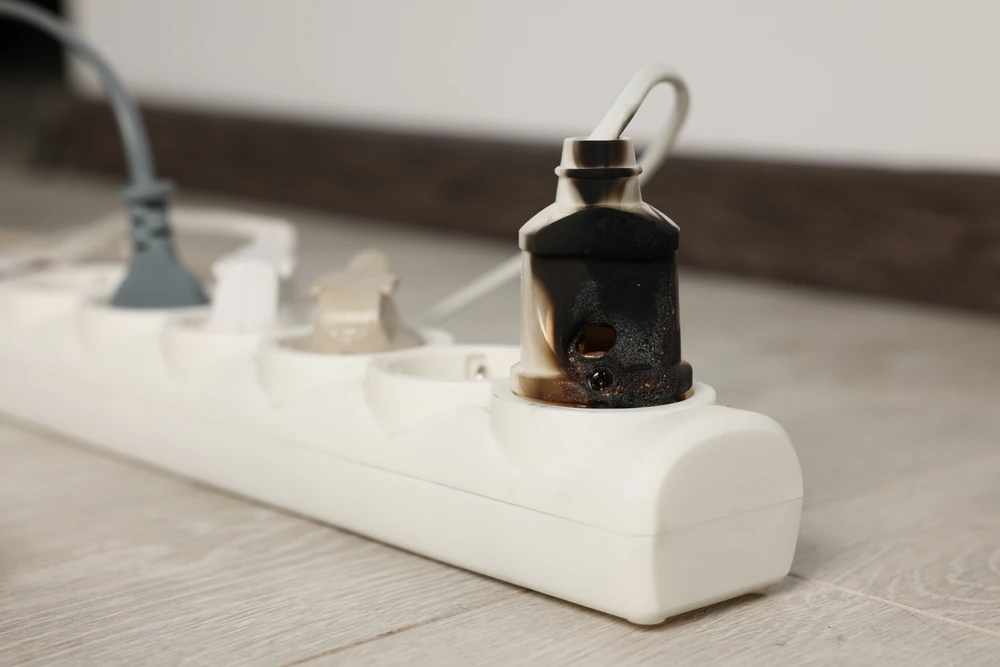
Power surges are a common cause of appliance and electronic damage in Australian homes. At Hudson Electrical (Level Electrical West Gosford), a trusted electrician Central Coast homeowners call for switchboard work, surge protection, and electrical fault finding, these issues are often seen after storms, network disturbances, or problems within the home itself. Understanding what causes surges, how they travel through a home’s electrical system, and which devices are most vulnerable can help homeowners make better decisions about protection and maintenance.
This article explains the main causes of power surges, the warning signs of surge-related damage, and the practical ways to reduce risk. It also looks at the difference between standard power boards and genuine surge protection, how whole-home surge protection works, and why switchboard condition, earthing, and professional electrical assessment all play an important role.
Power surges in Australian homes result from sudden, brief spikes in voltage travelling through the electrical system. These spikes can be small and frequent or large enough to cause immediate and serious damage. Understanding where they come from is essential when deciding how to protect appliances and whether electrical upgrades are needed.
In Australia, surges can be caused by both external supply issues and problems within the home itself. Local weather conditions, electricity network events, and the condition of a property’s wiring and switchboard can all affect how often surges occur and how severe they become.
Lightning strikes are one of the best-known causes of major power surges. A direct strike on or near power lines can send a large surge through the network, which may then reach nearby homes. Even when the strike is not direct, nearby storm activity can still induce damaging voltage spikes.
Electricity network switching and supply faults can also cause surges. When power is restored after an outage, when feeders are switched, or when faults occur on the street, voltage can briefly rise above normal levels. These events may only last a fraction of a second, but that is still enough to damage sensitive electronics.
Voltage disturbances can also come from nearby high-demand sites such as commercial buildings, industrial equipment, or new developments. Repeated smaller spikes may not cause immediate failure, but they can gradually weaken internal components in appliances and electronics over time.
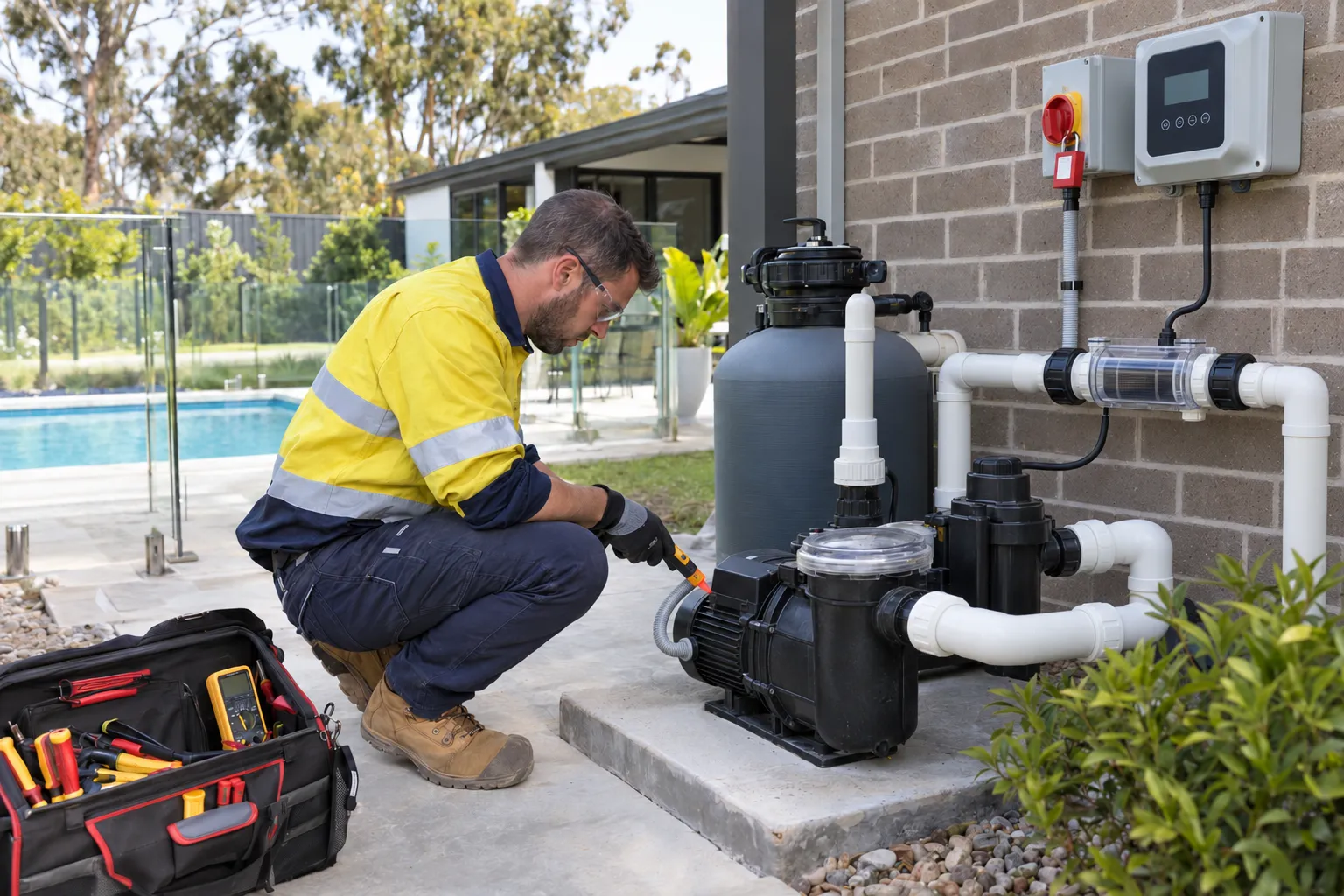
Not all surges come from outside the property. Many begin inside the home when larger appliances switch on or off. Air conditioners, refrigerators, pool pumps, and some older fluorescent lighting setups can create sudden changes in electrical load. That quick shift can produce a short-lived voltage spike that affects other devices on the same circuit.
Ageing or poor-quality wiring can make the problem worse. Loose connections in switchboards, power points, or light fittings can increase resistance and lead to arcing or irregular voltage peaks. Overloaded power boards and double adaptors can also contribute by placing too many devices on one outlet, increasing strain on the circuit and any connected protection devices.
Australian homes generally operate on a nominal 230V supply, but actual voltage can legally vary within an approved range. When supply voltage sits near the upper end of that range, appliances may already be operating closer to their limits. In that situation, even a relatively short surge can be more damaging.
Older homes with outdated switchboards, porcelain fuses, or no dedicated surge protection are often more vulnerable. Properties with long cable runs to sheds, detached garages, or pool equipment can also face greater risk, as longer runs may pick up induced voltage during storms or network disturbances.
Power surges can either weaken equipment over time or destroy it instantly. Even a brief spike in voltage can damage sensitive components, interrupt normal operation, or shorten the lifespan of devices that appear to keep working afterward. Understanding how this damage happens helps explain why surge protection matters.
A power surge is any sudden increase above the normal voltage supplied to a home. When that extra voltage enters an appliance, it pushes more electrical energy through the device than its internal components are designed to handle. This creates excess heat and stress, which can cause permanent damage.
Most modern appliances and electronics rely on delicate internal components that need a stable voltage supply. If a surge reaches the building wiring, it can travel straight into connected devices unless it is diverted or absorbed first.
Inside the equipment, a surge can:
In some cases, the damage is obvious straight away. A device may shut off permanently, make a loud pop, or produce a burning smell. In other cases, the damage is partial, weakening internal parts so they fail days, weeks, or months later.

Devices with microprocessors, digital control boards, or communication functions are especially vulnerable. This includes televisions, computers, gaming consoles, modems, routers, smart speakers, and home automation equipment, along with modern fridges, washing machines, and air conditioners that rely on electronic controls.
Surges can:
Even when a device continues to operate, repeated minor surges can gradually reduce its reliability and lifespan.
Power boards and surge protectors can reduce the risk of damage from many common power spikes. They are not a complete solution for every electrical event, but when chosen properly and used in the right setting, they provide an important layer of protection for sensitive equipment.
The main issue is that many people assume any multi-outlet board offers protection. In reality, there is a clear difference between a standard power board and a genuine surge protector.
A basic power board simply adds extra outlets. It does not actively protect against voltage spikes. If it does not clearly state that it provides surge protection or list a joule rating, it should be treated as a convenience device only.
A surge protector power board contains components designed to divert excess voltage away from connected equipment. In many cases, this involves metal oxide varistors, or MOVs, which clamp the voltage and redirect excess energy to earth. This type of protection can be effective for:
However, no plug-in surge board can guarantee protection from a direct lightning strike or a major supply fault. For higher-risk situations, switchboard-level protection is usually required as part of a broader protection strategy.
Not all surge protectors offer the same level of performance. Some low-cost units provide little practical protection. A more reliable product should include:
That last point is important because surge protectors wear out over time. Each surge gradually degrades the internal protective components. A board may still provide power to connected devices even after its surge protection has stopped working.
Plug-in surge protectors are particularly useful for high-value or sensitive items such as computers, gaming systems, smart televisions, fridges with electronic controls, and modems. They offer worthwhile protection against many everyday surges and minor supply disturbances.
That said, they have clear limits. In homes exposed to severe storms, overhead supply lines, or repeated electrical disturbances, plug-in surge boards should be treated as just one part of a layered protection approach. Other elements may include:
A surge protector cannot make up for poor wiring, overloaded circuits, or an outdated switchboard. Relying on a cheap multi-plug board as the only line of defence is rarely enough for modern homes with expensive electronics.

Whole-home surge protection is not just for large homes or commercial sites. Any property with valuable electronics, modern appliances, or supply-related surge risks can benefit from a central protection system.
A whole-home surge protection device is installed at the switchboard and helps reduce larger spikes before they travel through household circuits. This provides a broader level of protection than plug-in boards alone, which only protect the items connected to them.
A whole-home system is worth considering when a home contains a significant amount of equipment that is expensive or difficult to replace. Many homes now include:
These devices all rely on circuit boards and sensitive internal electronics. A single surge can affect multiple items at once. When the combined value of connected equipment is high, switchboard-level surge protection often makes practical and financial sense.
Homes in locations with frequent storms, outages, or local supply instability face a higher risk of damaging surges. Whole-home protection is worth considering where there are:
Even where lightning is not extreme, repeated storm-related disturbances can still justify stronger surge protection.
Some homes have installations that make surge protection more important even when general conditions seem moderate. This includes homes with:
In these cases, even a moderate surge can cause downtime, data loss, or expensive repairs. A switchboard-mounted surge protection device, supported by local protection where needed, provides a more reliable level of defence.
Surge protection devices are only one part of protecting a home’s electrical system. Reducing the chance of damage also depends on the condition of the wiring, how electrical loads are managed, and how sensitive devices are handled during storms or outages.
Poor or outdated wiring can increase the impact of voltage spikes and turn minor electrical issues into more serious hazards. Many older homes were not designed for today’s number of appliances, digital devices, and high-demand electrical loads.
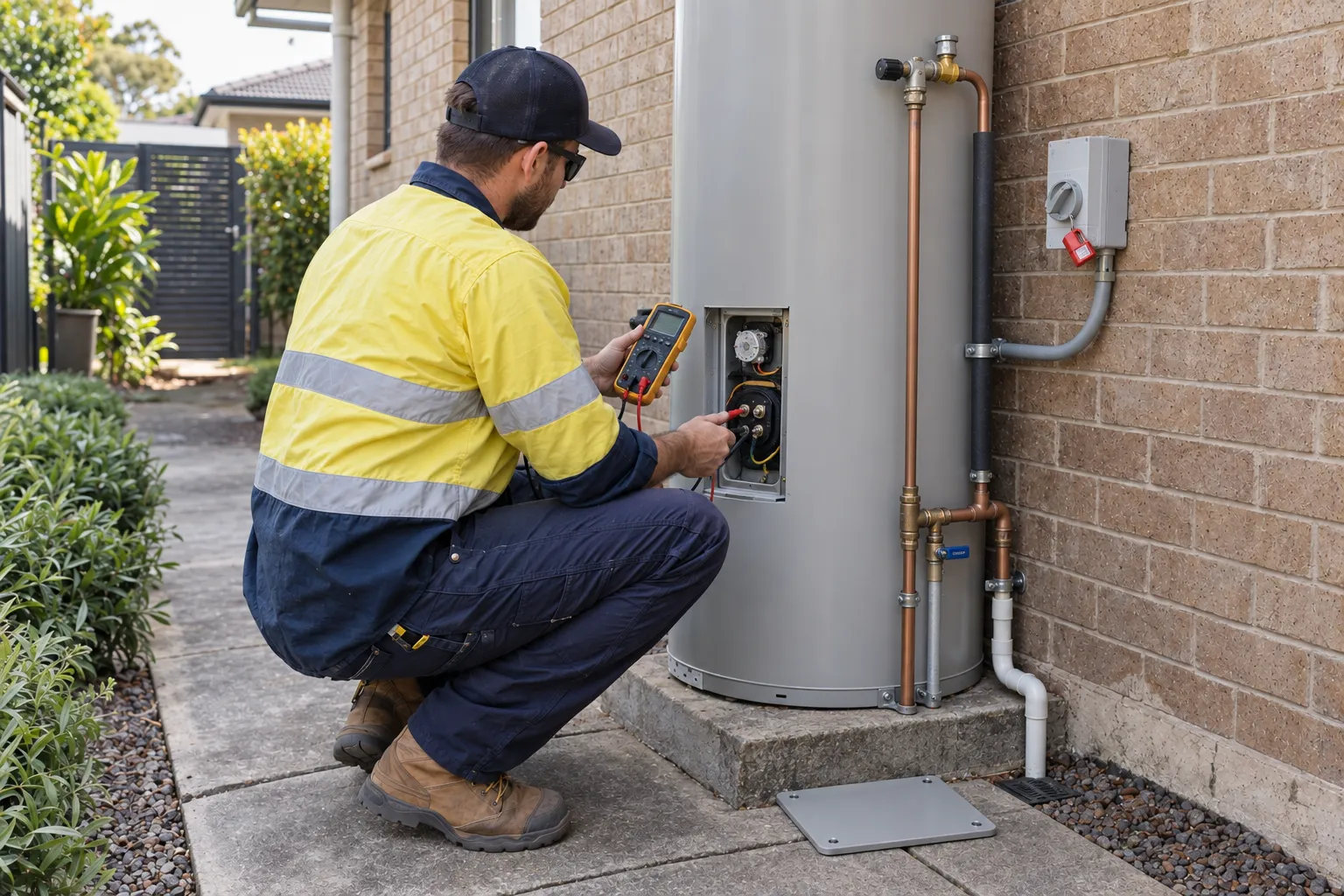
A licensed electrician can inspect the switchboard, cabling, and earthing system to check whether they are suitable for current use. Necessary work may include replacing brittle or undersized cabling, upgrading old fuse-based protection, or improving earthing connections. Good earthing is especially important because it gives excess energy somewhere safe to go during a surge.
Large appliances such as air conditioners, pool pumps, electric ovens, and dryers should be distributed sensibly across circuits where possible. Good circuit layout reduces stress on the installation and lowers the chance of load-related disturbances affecting multiple devices.
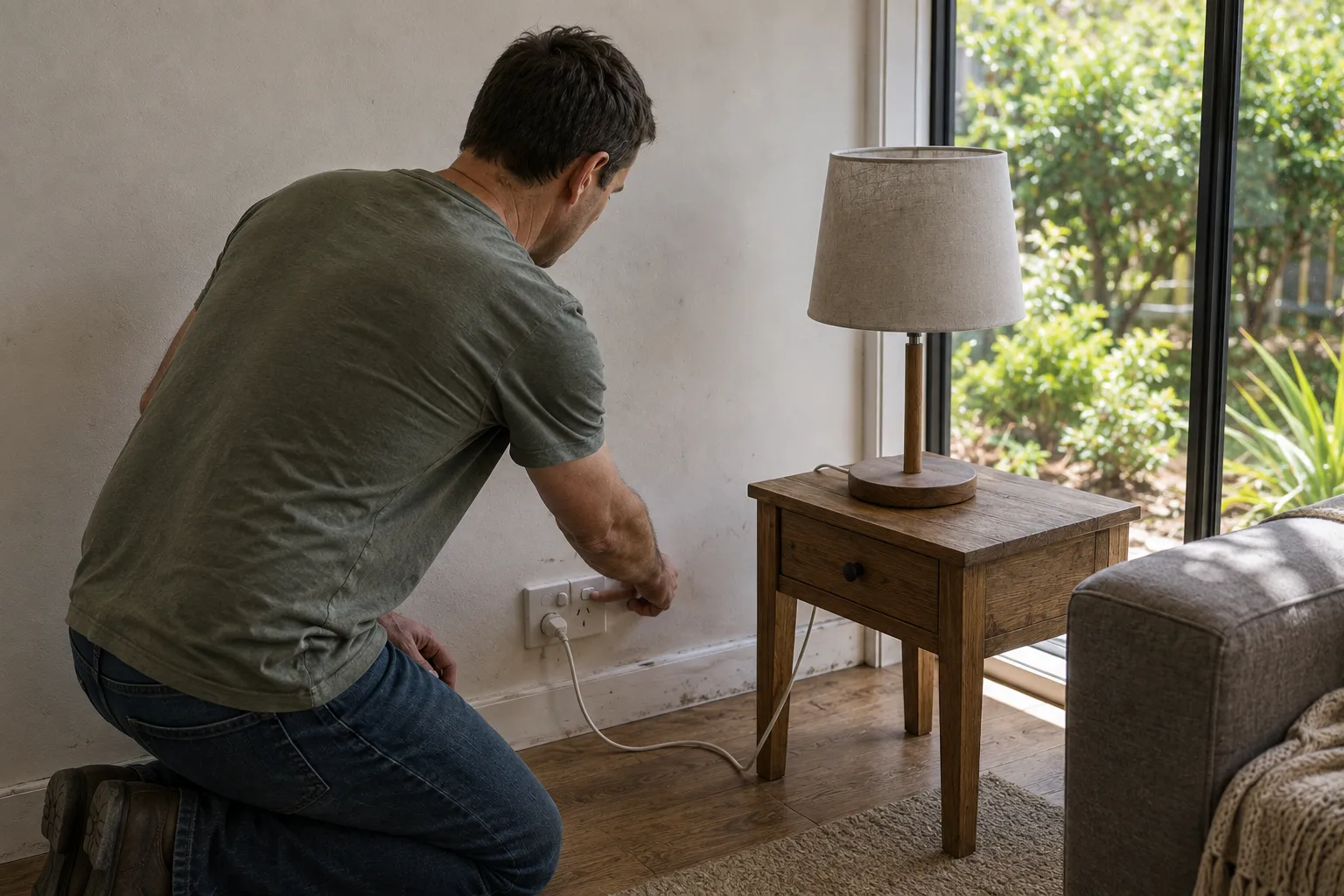
Low-quality power boards and double adaptors can add unnecessary risk. Better-quality boards with overload protection and individual switches offer better control and safer everyday use. It also helps to switch off non-essential electronics at the wall when they are not in use, particularly items such as televisions, gaming consoles, chargers, and office equipment.
For sensitive equipment like desktop computers and entertainment systems, an uninterruptible power supply, or UPS, can provide extra protection by filtering smaller disturbances and allowing safe shutdown during outages.
During heavy storms, unplugging non-essential electronics remains one of the most effective ways to avoid damage. Items such as TVs, computers, audio systems, and modem routers should be disconnected from both power and data lines where practical.
After an outage, it is also wise to turn appliances back on gradually rather than restoring everything at once. Powering devices up one by one reduces sudden load changes and can lessen stress on motors and power supplies.
Some power surge risks can be reduced with good habits and point-of-use protection, but there are times when professional assessment is necessary. Repeated electrical disturbances, signs of damage, or an ageing switchboard should not be ignored.
An electrician should inspect the system if, after a storm or blackout:
Storm-related surges can damage wiring, safety devices, and switchboard components even when the problem is not immediately visible.
Switchboard-mounted surge protection should always be selected and installed by a licensed electrician. Professional advice is also important when:
Correct device selection and installation matter because the protection system must work with the rest of the switchboard and earthing arrangement.
Some electrical damage is subtle but still serious. Professional assessment is recommended if:
A licensed electrician can test the installation properly and identify faults that may not be obvious during normal use.
Protecting a home from power surges usually requires more than one solution. Effective protection involves understanding the likely causes of surges, using appropriate point-of-use and switchboard protection, maintaining safe wiring and earthing, and addressing warning signs early.
A layered approach is generally the most reliable. Quality surge protectors, a modern switchboard, sound electrical maintenance, and professional assessment all work together to reduce the risk of damage. Where surge exposure is higher or the home contains valuable electronics, advice from a licensed electrician can help determine the most appropriate protection for the property.