Choosing how to charge an electric vehicle at home is an important decision for any EV owner. While the portable charger supplied with many vehicles offers a simple starting point, it is not always the most practical long-term charging option. Charging speed, outlet condition, switchboard capacity, daily driving needs and safety all influence whether a portable charger is enough or whether a dedicated home charger is worth installing.
For Central Coast households considering EV charger installation or electrical upgrades, Hudson Electrical (Level Electrical) can assess the property’s electrical setup and recommend a charging option that suits the home, vehicle and daily driving needs.
This article explains the real-world differences between using a standard portable EV charger and installing a dedicated home charger. It covers charging speeds, electrical requirements, safety considerations and everyday usability to help homeowners decide which option best suits the way the vehicle is used.
The main difference between a portable EV charger and an installed home charger is charging speed and consistency. A portable charger usually plugs into a standard power point and delivers a lower level of power. An installed home charger is connected to a dedicated higher-capacity circuit, allowing the vehicle to charge faster and more reliably.
Beyond speed, there are also differences in safety, convenience and how each option interacts with the home’s electrical system. A portable charger may be enough for occasional use or low daily kilometres, while an installed charger is generally better suited to regular charging, larger batteries or households that need the vehicle ready each day.
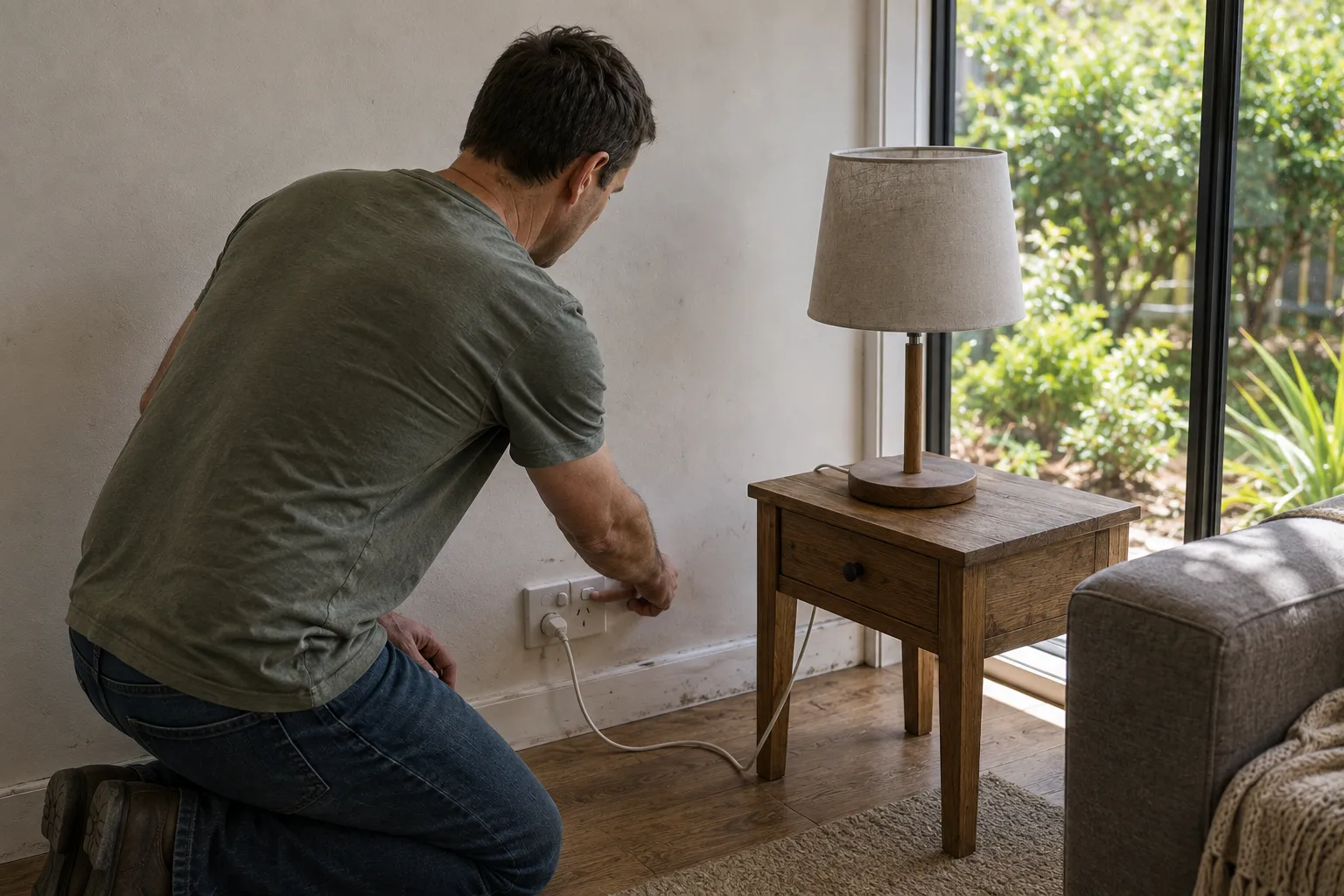
A portable EV charger typically comes with the vehicle and is often called a “granny charger” or “trickle charger”. It plugs into a standard 10 A or 15 A general power outlet and usually delivers around 1.8 to 2.4 kW of power from a 10 A outlet. Depending on the vehicle, this may add around 8 to 12 km of driving range per hour of charging.
Portable chargers are useful because they do not require permanent electrical work and can be moved between locations. However, they rely on an existing outlet and circuit, which may not have been designed for continuous high loads over many hours.
Portable chargers are generally best suited for:
The main limitation is time. Charging from a standard power point can be slow, especially for vehicles with larger batteries or drivers who regularly use a significant amount of range each day.
An installed home charger, also known as an EV wallbox, is a dedicated charging unit permanently wired to the home’s switchboard. In many Australian homes, this is usually a single-phase 7 kW unit. Some properties with three-phase supply may be suitable for 11 kW or 22 kW charging, depending on the vehicle, switchboard capacity, cabling and local network requirements.
Because an installed charger has its own circuit and protection devices, it can deliver higher and more stable charging power than a standard power point. A 7 kW home charger can often add around 30 to 40 km of range per hour, while larger three-phase units may add considerably more where the vehicle supports faster AC charging.
Installed chargers may also include smart features such as scheduled charging, load management and solar integration. These features can help households charge during off-peak tariff periods, make better use of solar energy and reduce the risk of overloading the home’s electrical system.
Charging an electric vehicle from a standard household power point is possible, but it is usually the slowest home charging method. For some drivers, this is enough for overnight top-ups. For others, especially those with larger batteries or longer daily trips, it can quickly become limiting.
A standard 230–240 V, 10 A outlet usually provides around 2.0 to 2.4 kW of charging power. Based on that rate, approximate charging times from 0 to 100% may be:
Most drivers do not charge from completely empty to full every day. For example, if a 60 kWh EV arrives home at 40% and needs to reach 80%, it needs roughly 24 kWh of energy. On a 10 A outlet, this could take around 10 to 11 hours, which may fit overnight but leaves little margin if the car is plugged in late or needed early.
A 15 A outlet can provide more power, often up to around 3.5 kW if the charger and circuit are suitable. This can reduce charging time, but not all homes have a suitable 15 A outlet and not all portable chargers are designed to use one.
Charging speed can also be affected by:
This is why real-world charging times can vary even when two vehicles have similar battery sizes.
An installed home EV charger is often around three to ten times faster than a standard portable charger plugged into a regular power point. The exact difference depends on the charger size, the property’s electrical supply and the maximum AC charging rate supported by the vehicle.
Typical charging speeds are:
In practical terms, a 60 kWh battery that may take more than 24 hours to charge from low on a portable charger could often be charged in around 8 to 9 hours on a 7 kW wall charger. On an 11 kW charger, the same charge may take around 5 to 6 hours, depending on the vehicle.
This speed difference matters most when the vehicle needs to recover a larger amount of range in a short window. A portable charger may be enough for light commuting, but an installed charger makes it easier to recover from longer trips, late arrivals, early starts or multiple days of heavier driving.
For many households, this is the point where a dedicated charger becomes more practical. Instead of needing the vehicle plugged in for most of the night to recover a moderate amount of range, an installed charger can restore a full day of driving much faster and with more flexibility.
A portable EV charger can be enough if the vehicle is driven short distances and spends long periods parked at home. For drivers who mainly use their EV for local commuting, school runs, shopping or short trips around the Central Coast, a portable charger may keep the battery topped up without issue.
As a general guide, a portable charger adding around 8 to 12 km of range per hour may provide approximately:
For someone driving 20 to 50 km per day, this can be adequate. The vehicle can recover the daily range used overnight and still maintain a comfortable battery buffer.
A portable charger becomes less practical when the vehicle regularly covers longer distances. If daily use often exceeds 100 km, or if the vehicle is frequently driven between the Central Coast, Sydney or Newcastle, the slower charging rate may not replace the energy used each day. The battery may gradually start each morning at a lower level unless public fast charging is used to make up the difference.
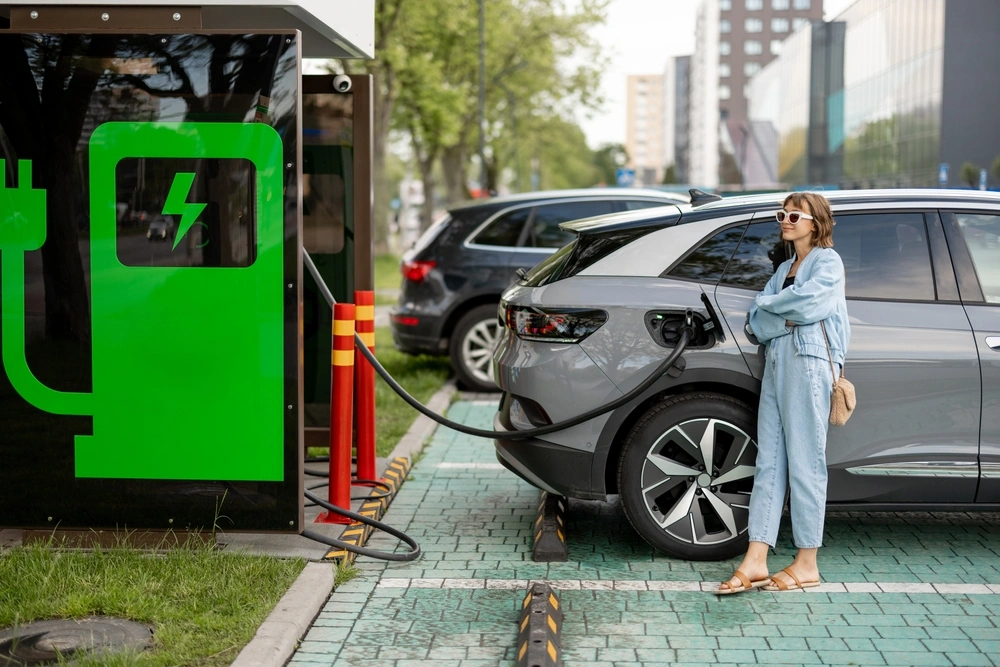
A portable charger becomes too slow when it no longer fits comfortably into the household’s normal routine. This usually happens when overnight charging cannot reliably replace the range used during the day, or when charging becomes something that needs to be planned around.
Common signs that a portable charger is no longer enough include:
Portable charging can also be inconvenient if the only suitable outlet is in an awkward location or if the circuit is shared with other appliances. Long charging sessions on older wiring, overloaded circuits or unsuitable extension leads can create safety concerns and increase the chance of nuisance tripping.
At this point, an installed home charger can make EV charging feel less restrictive. Instead of needing most of the night to recover a modest amount of range, a dedicated charger can restore a full day of commuting in a much shorter time.
Safety is one of the main reasons many households choose an installed home charger. A correctly installed charger is designed for continuous EV charging and is connected with suitable cabling, circuit protection and safety devices. This reduces the risk of overheating outlets, overloaded circuits or damage caused by repeated long charging sessions on a standard power point.
A dedicated charger is also more convenient for daily use. The cable is kept in place, usually near the vehicle’s parking position, so charging is as simple as parking and plugging in. This avoids constantly unpacking a portable charger, handling plugs and sockets, or running cables through areas where they may become a trip hazard.
For occasional use, a portable charger may be fine. For regular charging, higher daily kilometres or multi-EV households, an installed home charger is usually the safer and more practical long-term option.
Before installing a home EV charger, the property’s electrical system needs to be assessed to confirm it can safely support the extra load. This helps avoid overloading circuits, damaging equipment or installing a charger that cannot operate at its intended capacity.
An electrician will usually check the switchboard first. This includes the main supply rating, available space for a dedicated EV circuit, the condition of existing protection devices and whether the board needs upgrading.
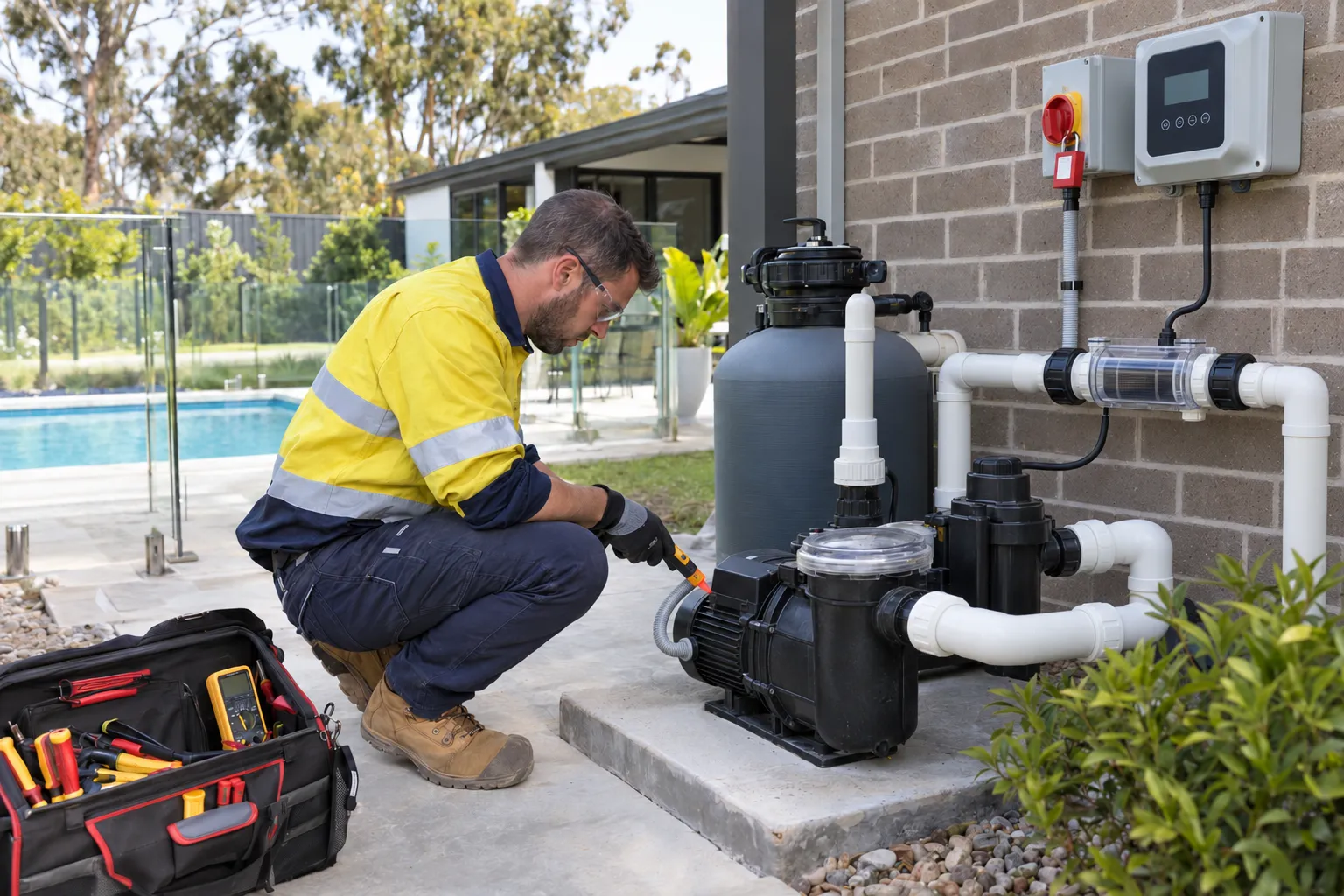
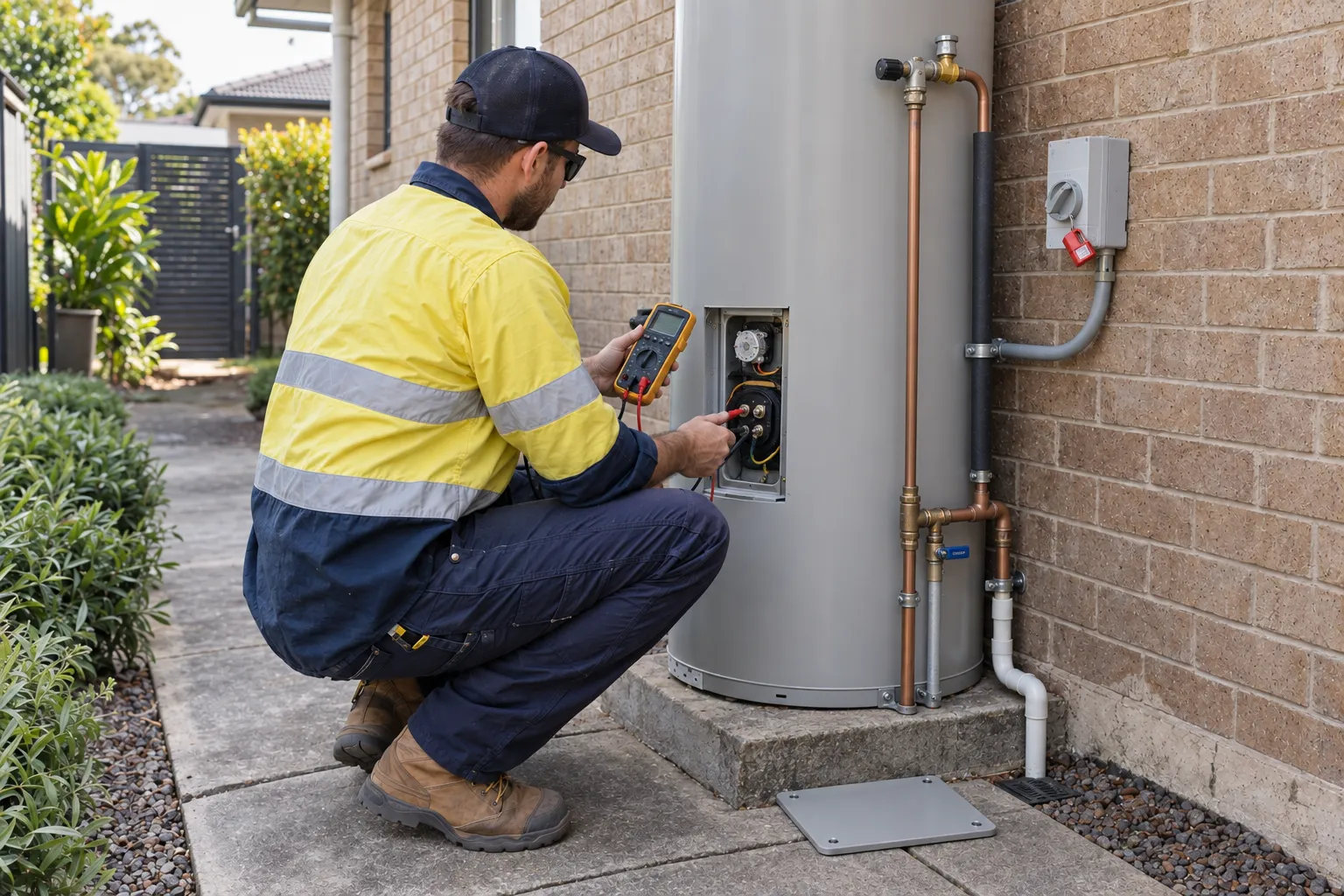
Older switchboards may need modern safety switches or other improvements before an EV charger can be installed. Existing high-demand appliances also need to be considered, including electric hot water systems, ovens, air conditioning, pool pumps and other major loads. This helps determine whether the charger can operate safely without overloading the supply.
The type of supply to the property is important. A single-phase home will commonly suit a 7 kW charger, while three-phase supply may allow for faster charging if the vehicle, cabling and network rules support it.
The cable route from the switchboard to the charger location also needs to be checked. The installer will consider cable run length, required cable size, voltage drop, weather exposure and whether the cable can be installed safely without creating unnecessary disruption.
The charger should be positioned where it is easy to reach the vehicle’s charge port without stretching the cable across walkways or driveways. Outdoor installations also need suitable weather protection and a charger rated for external conditions.
Before installation, it is worth considering how the charger will be used and billed. Some households may benefit from time-of-use tariffs, off-peak charging or solar charging arrangements. Others may need load management to prevent the charger from operating at full power when other major appliances are running.
The installation must also comply with relevant Australian standards and local distribution network requirements. Depending on the charger size and property supply, higher-capacity installations may require network notification or approval. Earthing, circuit protection and load management must be checked so the charger operates safely and can support future EV charging needs where possible.
An installed charger is usually worth considering when an EV is used regularly and needs to be ready each day. The biggest benefit is speed, but the overall value also comes from safety, convenience, smarter energy use and reduced reliance on public charging.
A portable charger can be a practical solution for occasional use, short daily trips or as a backup. However, as battery sizes increase and households become more dependent on EVs for everyday transport, the slower charging rate can become restrictive.
A dedicated home charger provides faster, more predictable charging and can be tailored to the property’s electrical capacity. By assessing switchboard capacity, available supply and daily driving needs before installation, homeowners can choose a charging setup that is safe, efficient and suitable for both current and future EV use.