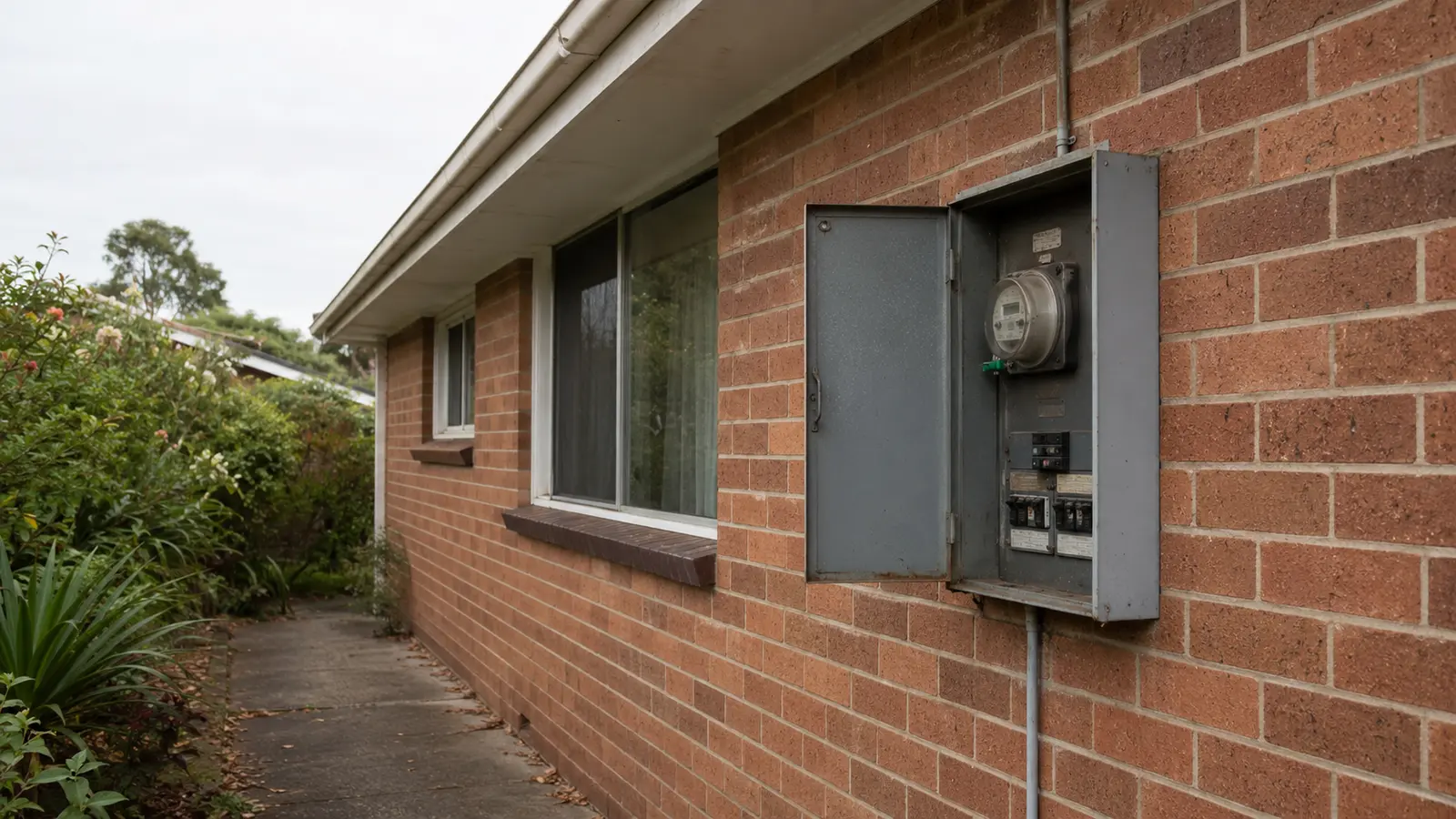
Older homes across West Gosford and the Central Coast are often valued for their character, established surroundings and convenient locations. However, their electrical systems may not provide the safety, protection or capacity expected in a modern household. Ageing wiring, outdated switchboards and hidden faults can create safety risks, affect insurance and increase future upgrade costs. Understanding electrical safety in the home can help buyers recognise warning signs and know when a licensed electrician should carry out further testing.
Having an experienced electrician on the Central Coast assess the electrical system before purchase can help identify concerns that may not be covered in detail during a general building inspection. Hudson Electrical (Level Electrical) , now operating as Level Electrical & Air West Gosford, provides residential electrical services including wiring inspections, switchboard upgrades, rewiring and fault finding across the Central Coast.
Understanding the condition of the switchboard, wiring, safety switches, power points, lighting, smoke alarms and earthing system gives buyers a clearer picture of the property’s electrical safety. The inspection can also identify signs of previous DIY or unlicensed work, limited electrical capacity and alterations that may require further investigation.
Older homes often have switchboards that were not designed for the number of electrical appliances used in modern households. Outdated protection devices, limited circuit capacity and years of alterations can make an upgrade necessary before renovations or new appliances are installed.
Buyers can make basic visual observations from a safe distance, but they should not open the switchboard, remove covers or touch damaged components. Only a licensed electrician should inspect the internal wiring and protective devices.
The main switchboard may be located in the garage, hallway, utility area or outside near the electricity meter. Its visible condition can provide clues about the age of the electrical installation.
Warning signs may include:
Ceramic fuses commonly indicate an older switchboard, although their presence does not prove that all wiring in the home is unsafe. They should instead prompt a licensed electrician to assess the switchboard, protection devices and associated circuits.
Some older meter boards, backing panels and fuse components may contain asbestos. Suspected material should never be touched, drilled or disturbed. Asbestos NSW notes that bituminous electrical backing boards may appear dark brown or black and may be found in older electrical and meter boxes.
Safety switches, also known as residual current devices or RCDs, rapidly disconnect the electricity supply when they detect current leaking to earth. This protection reduces the risk of serious electric shock.
From outside the closed switchboard, buyers may be able to see devices marked “RCD”, “safety switch” or fitted with a test button. However, the presence of one test button does not necessarily mean every circuit is protected.
Current electrical requirements call for RCD protection on all domestic and residential final subcircuits. An older installation may predate these requirements, but circuits without appropriate RCD protection do not provide the same level of protection expected in a modern home. A licensed electrician can confirm which circuits are protected and whether an upgrade is recommended.
Modern households may use air conditioning, large ovens, induction cooktops, dishwashers, pool equipment, home offices, electric vehicle chargers and numerous portable devices. These loads can place greater demand on an older electrical system.
Visible concerns can include:
A switchboard that appears full may need upgrading before additional circuits can be installed. In some properties, the consumer mains or available electricity supply may also need assessment.
Only an electrician can complete the testing and load calculations needed to determine whether the system can safely support planned appliances or renovations.
Fresh paint, renovated kitchens and new light fittings can make an older property appear fully updated even when original wiring remains behind the walls. Understanding the electrical upgrades older homes may require can help buyers identify likely safety concerns and budget for future work.
Buyers should limit themselves to visual observations in accessible areas. They should not enter a ceiling space or crawl beneath a house to inspect electrical wiring. Damaged or exposed energised wiring in ceiling spaces can cause serious injury or death.
Visible indicators that an electrician should investigate include:
Wiring that is several decades old may remain serviceable in some properties. Its condition depends on the cable type, installation environment, previous alterations, electrical loading and test results. A professional inspection is the only reliable way to determine whether partial or complete rewiring is required.
Some electrical faults leave obvious warning signs. Buyers should arrange further investigation if they notice:
Damaged fittings should not be touched or operated. The owner or agent should be notified, and a licensed electrician should assess the affected area.
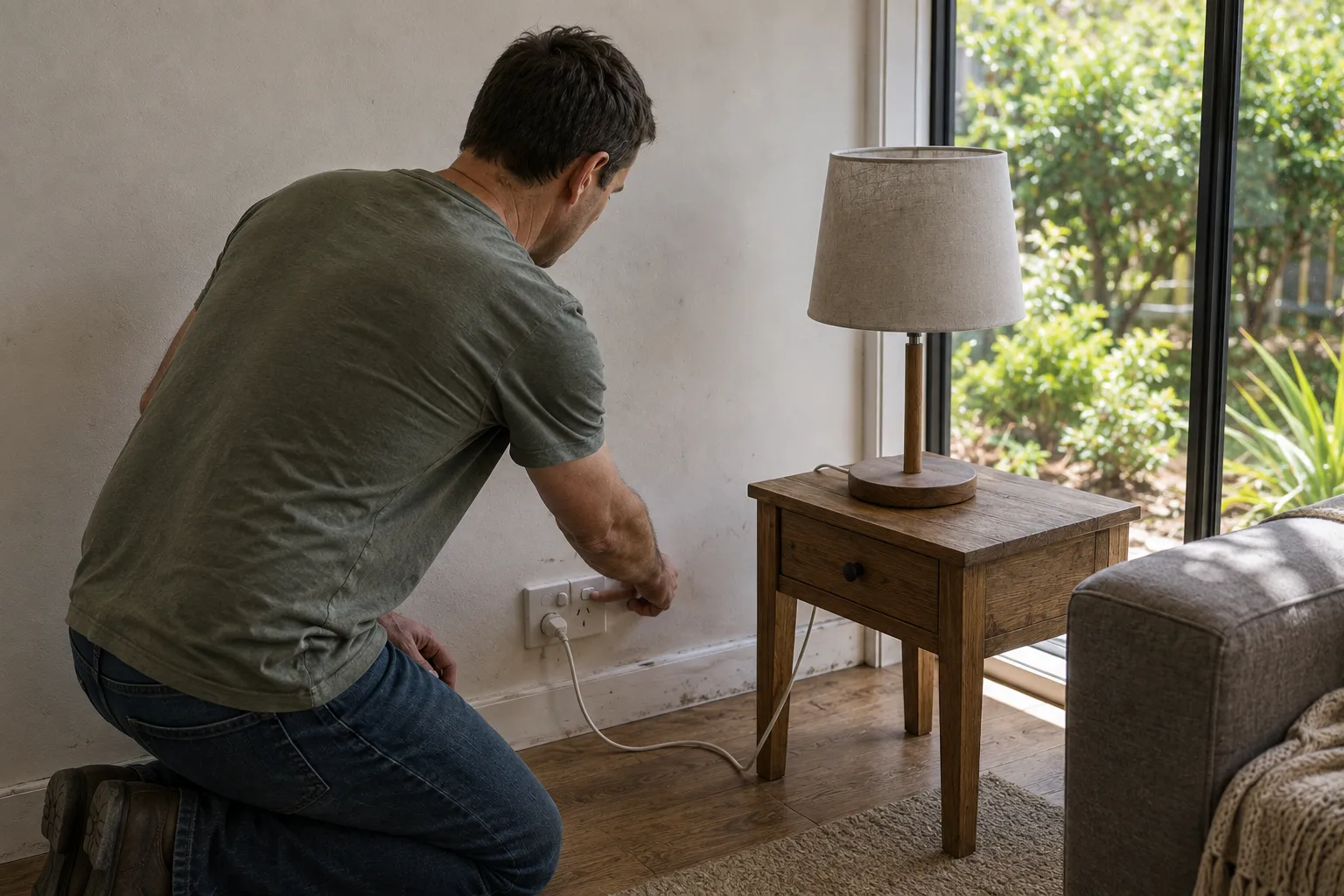
Power points, lights and fixed electrical fixtures can provide useful clues about how the electrical system has been maintained. With the agent or owner’s permission, buyers may operate undamaged switches and built-in fixtures in the normal way.
These basic observations do not replace electrical testing. Buyers should not remove faceplates, test exposed wiring, plug devices into damaged outlets or touch fittings that appear burnt, loose or broken.
Inspect accessible power points in bedrooms, living areas, kitchens, laundries, garages and outdoor spaces.
Look for:
Older homes often have fewer power points than modern households require. This can lead occupants to rely heavily on power boards and double adaptors. Adding more outlets may require new circuits, particularly where the existing system has limited capacity.
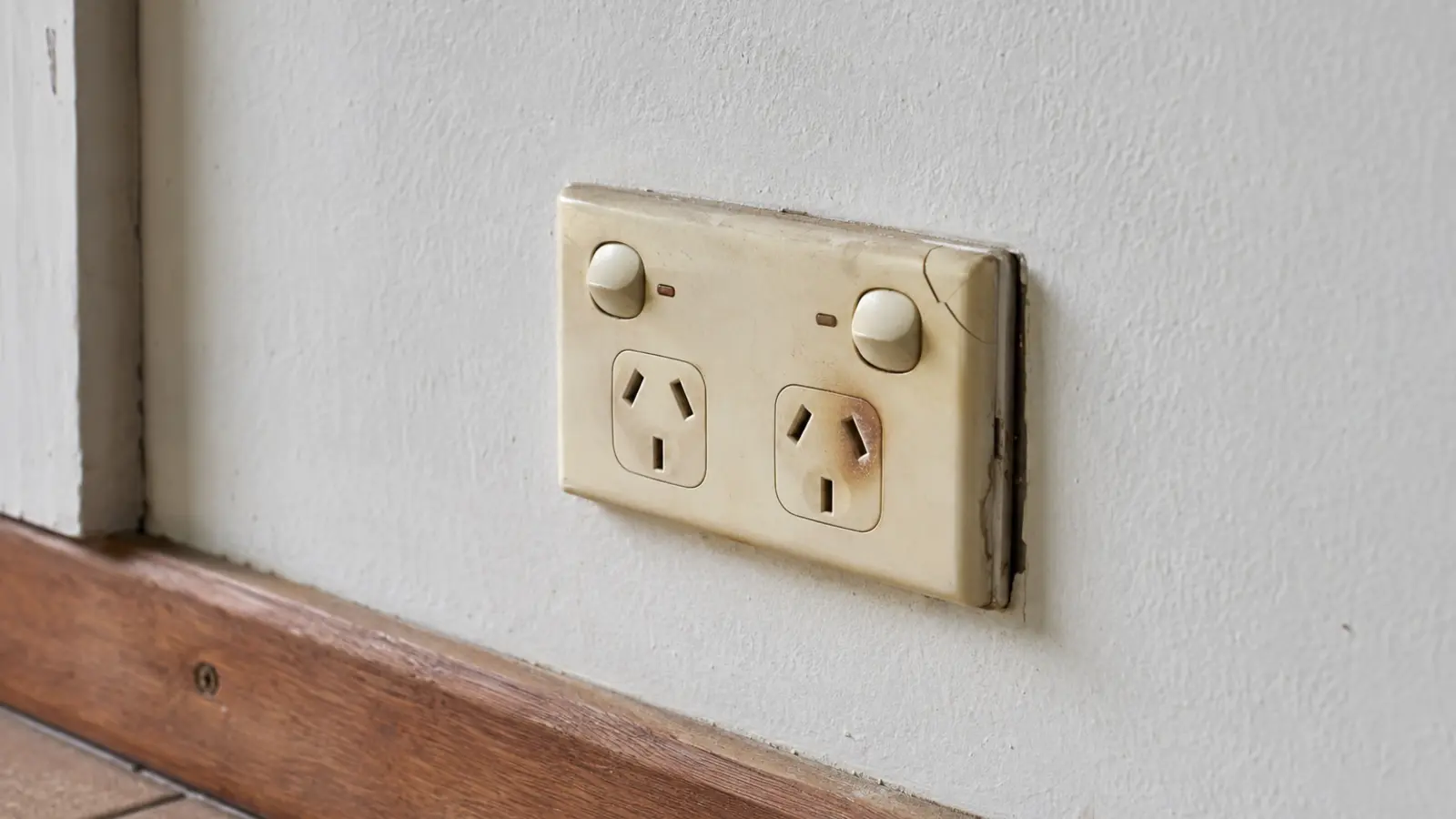
Light switches and fittings can also indicate the age and condition of the installation.
Warning signs include:
Older halogen downlights may create a fire risk where they have not been installed with the required clearances from insulation and other combustible materials. Buyers should not enter the ceiling to check them. Instead, ask whether the downlights have been inspected or upgraded and include them in the professional electrical assessment.
Built-in electrical appliances can be expensive to repair or replace. Where permitted, operate each undamaged fixture individually and observe whether it functions normally.
Fixtures may include:
Rattling motors, loud humming, inconsistent operation or fixtures that fail to operate at every setting may indicate an appliance fault, poor installation or an electrical supply issue.
Older properties often contain a mixture of original wiring and newer electrical work completed during renovations. Understanding what has been changed can help buyers identify areas that require closer inspection.
Useful questions include:
A vague or incomplete history does not necessarily mean the system is unsafe. However, it increases uncertainty and makes a professional inspection more valuable.
Ask whether the seller can provide records for significant electrical work, including:
Electrical wiring work in NSW must be completed by a person holding the appropriate electrical licence or certificate. Certificates of Compliance for Electrical Work are important records showing that prescribed electrical work has been completed and certified.
Missing documentation does not automatically prove that work is unsafe. It should, however, be treated as a reason to arrange more detailed testing before committing to the purchase.
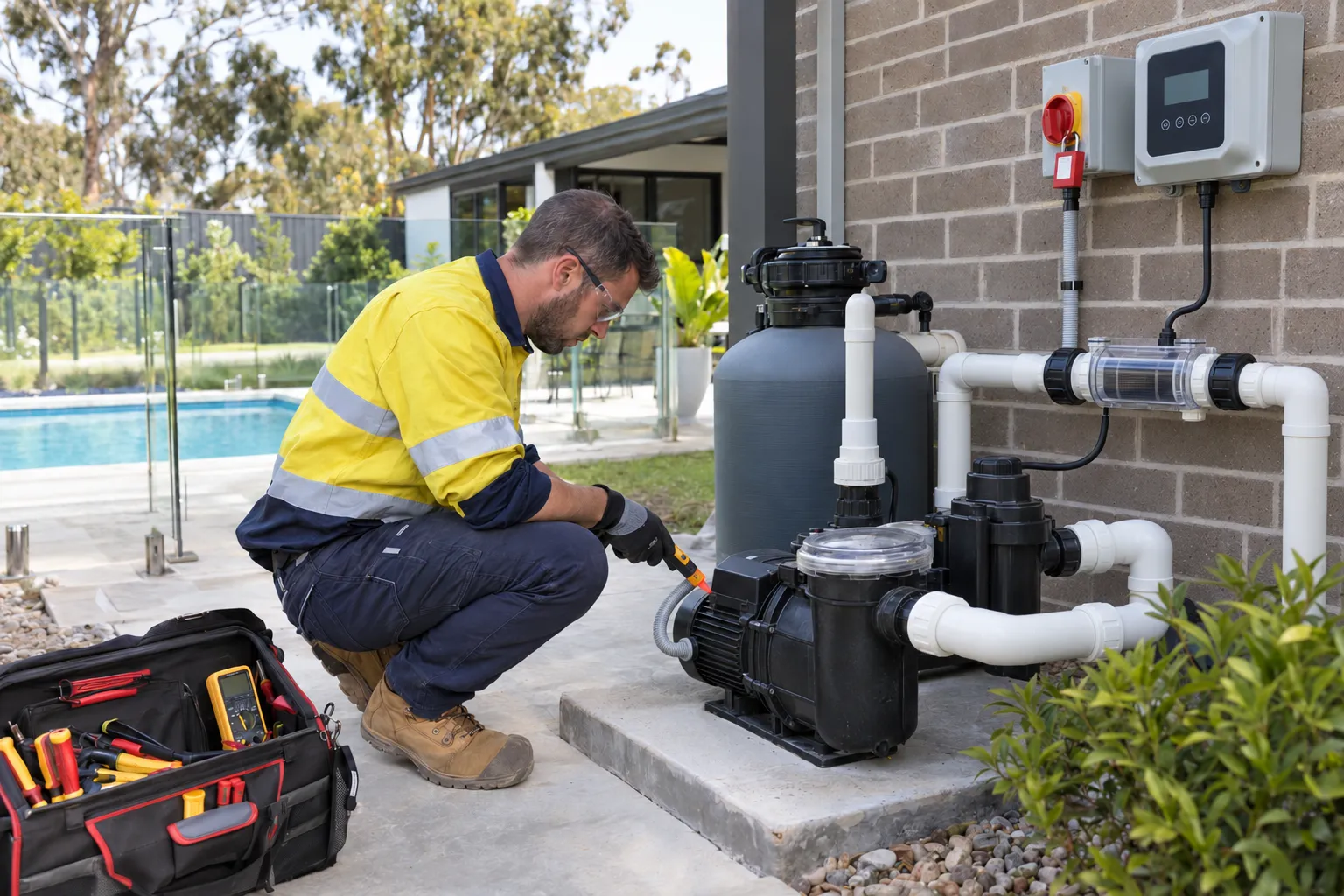
Outdoor power and wiring to garages, sheds and detached studios are often added gradually. Exposure to moisture, sunlight, gardening work and physical damage can make these areas more vulnerable to electrical faults.
From a safe distance, look for:
Outdoor electrical equipment should be suitable for its location and protected against expected weather exposure. Do not touch or operate any fitting that appears wet, damaged or corroded.
Look at how electricity appears to reach the structure. Warning signs include:
A properly installed supply to a detached building should have appropriate cabling, mechanical protection and circuit protection. A licensed electrician should confirm whether the installation meets current safety requirements.
Pay particular attention to electrical fittings around:
Outlets that appear too close to water, fittings positioned where they may sit in puddles and corroded metal conduit all require professional assessment.
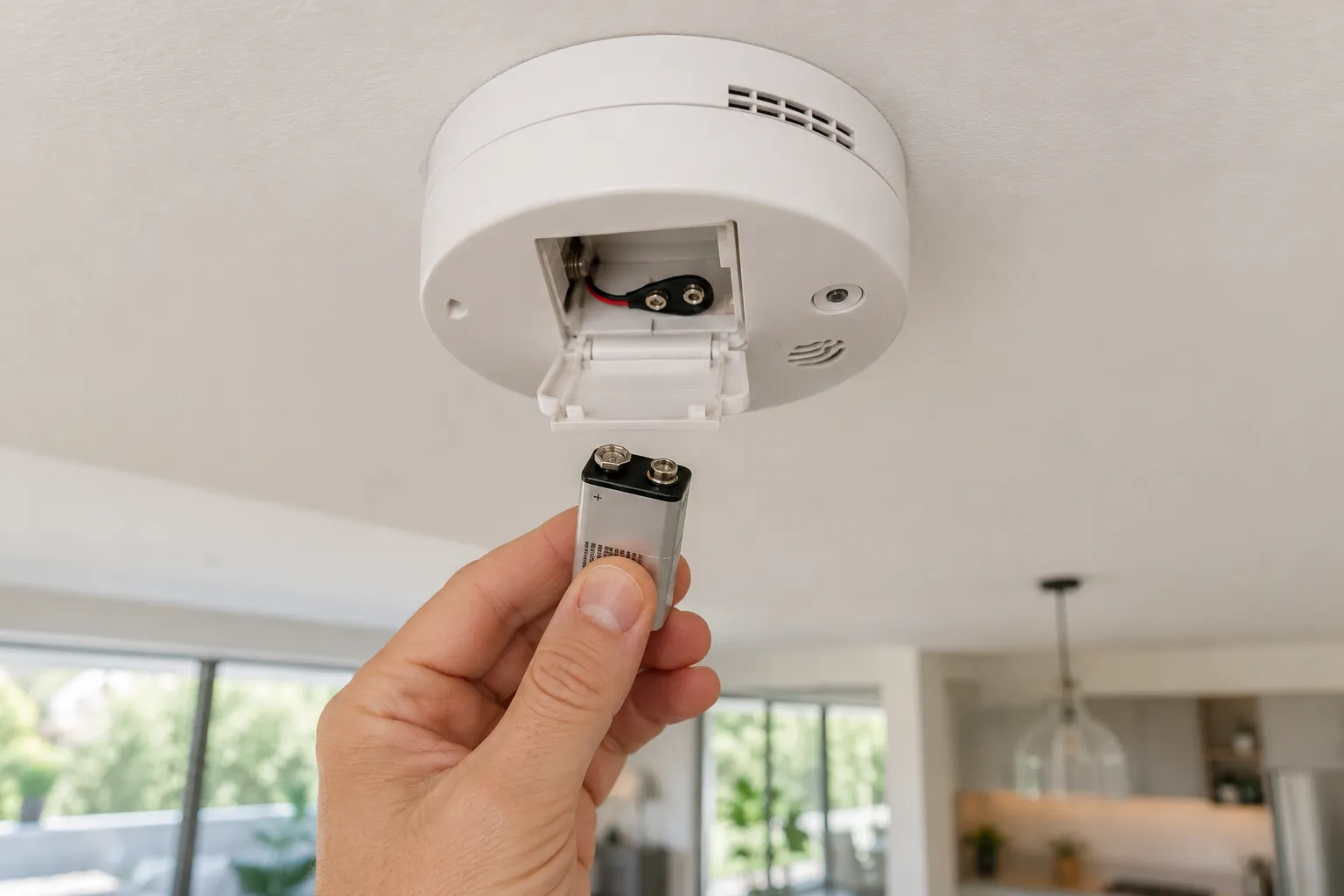
Smoke alarms are an important part of the property’s overall safety condition. NSW law requires at least one working smoke alarm on every level of a home. Buyers can review the current NSW smoke alarm requirements to understand the minimum legal obligations for residential properties. Smoke alarms should generally be replaced within ten years of manufacture or earlier where required by the manufacturer.
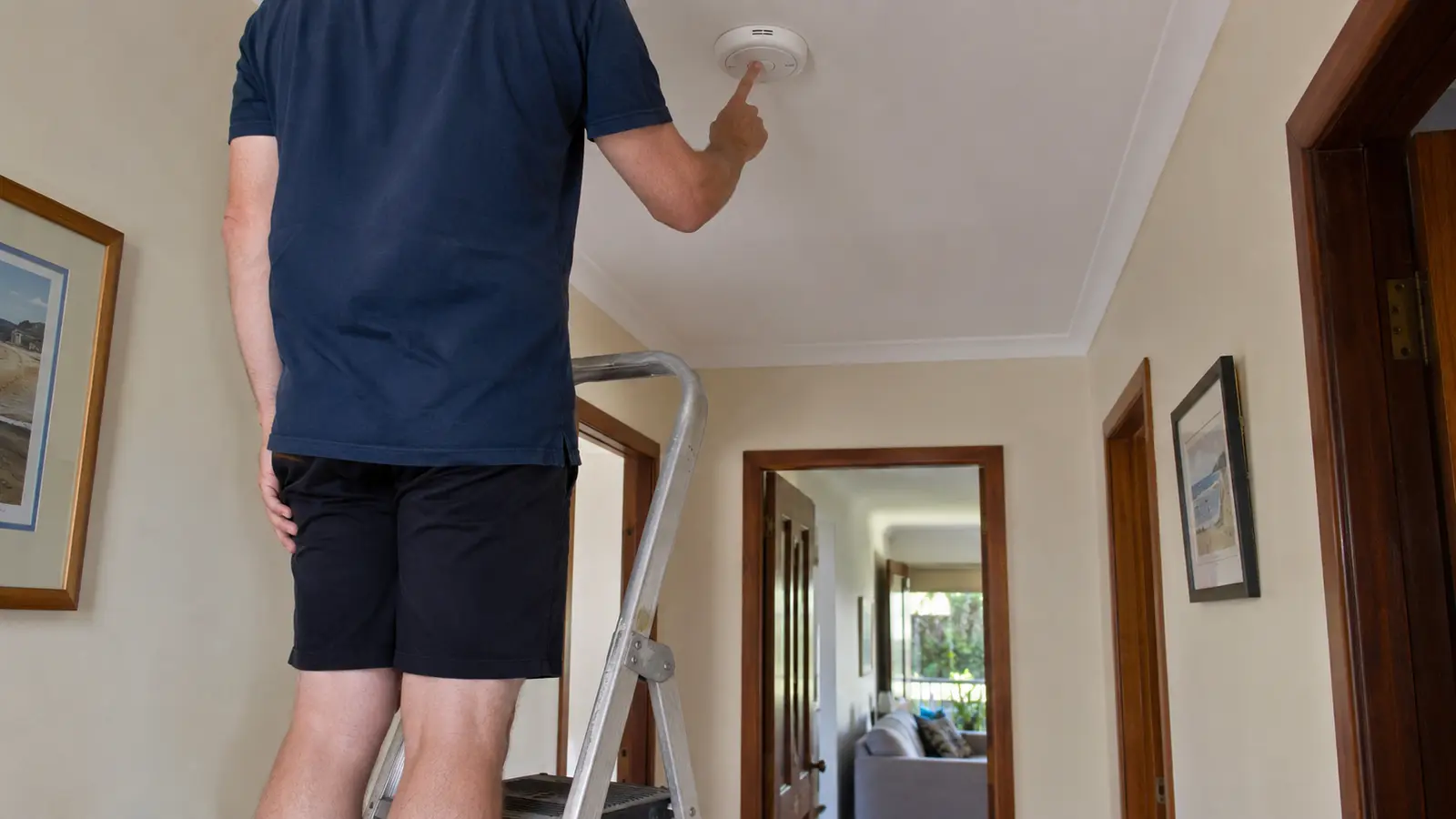
During the inspection, note:
Hard-wired alarms and their associated wiring should only be installed or altered by a licensed electrician, while professional smoke alarm installation can help ensure each alarm is correctly positioned, connected and compliant.
Earthing provides a path for fault current and allows protective devices to operate when an electrical fault occurs. Buyers cannot verify the condition of the earthing system through a visual walk-through.
A licensed electrician can assess:
Earthing faults may not cause visible symptoms during an open home, which is why electrical testing is important in older or extensively renovated properties.
An older home may look well maintained while still containing electrical faults or outdated equipment behind walls, beneath floors and inside the switchboard. A dedicated electrical inspection can provide more information than a standard building inspection, which may only identify visible concerns and recommend further assessment.
An inspection is particularly worthwhile when:
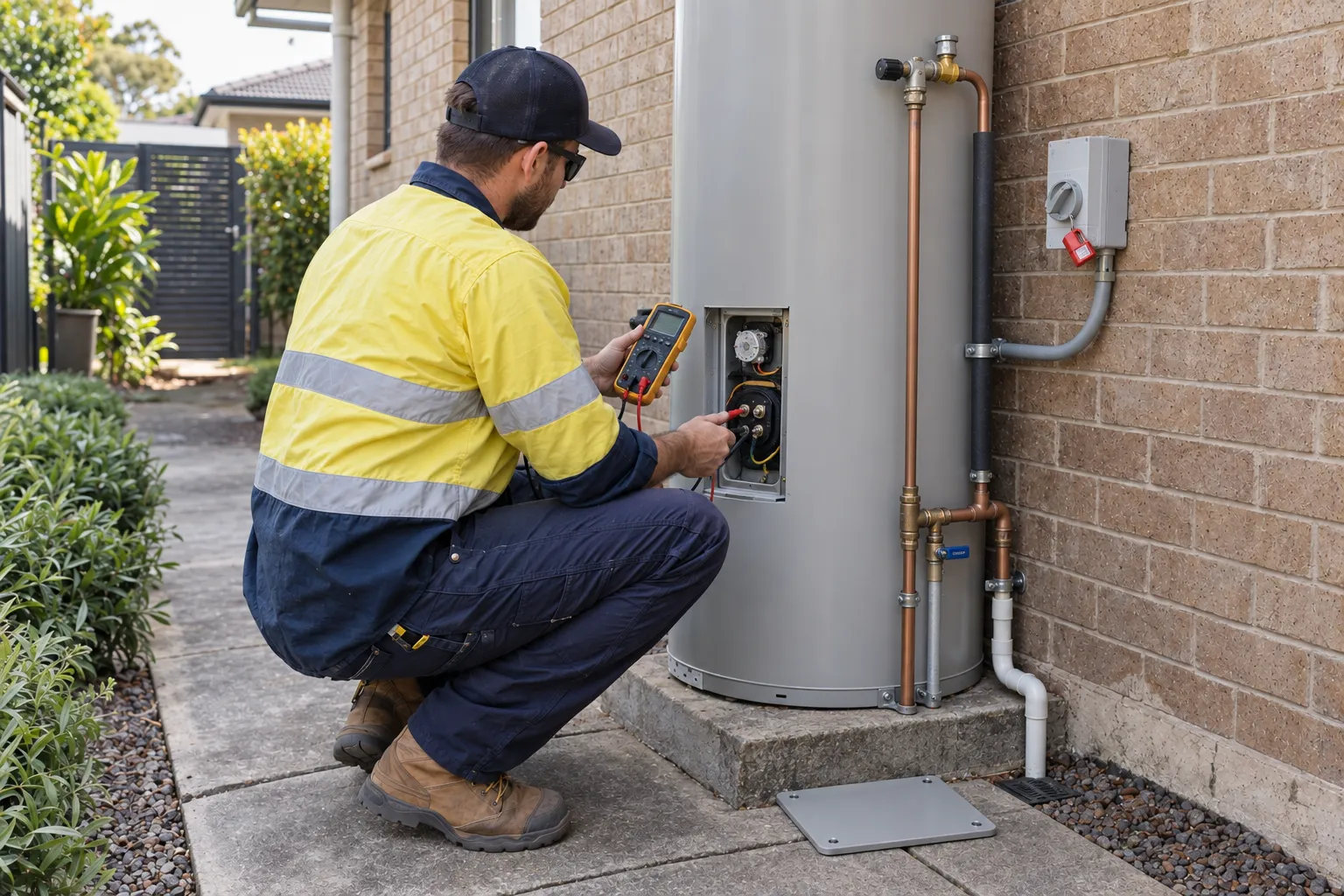
A licensed electrician can test circuits, insulation resistance, protective devices, earthing and other parts of the system that cannot be assessed during a visual walk-through.
An electrical inspection is particularly valuable when the buyer plans to:
These changes may require dedicated circuits, switchboard alterations, upgraded consumer mains or changes to the electricity supply. Identifying these requirements before purchase makes it easier to prepare a realistic renovation budget.
Where possible, arrange the electrical inspection before exchanging contracts or before bidding at auction. Where a cooling-off period applies, organise the inspection early enough for the results to be reviewed by the buyer, electrician and conveyancer before the period expires.
A standard residential purchase in NSW generally includes a five-business-day cooling-off period after contracts are exchanged. However, cooling-off rights do not apply to auction purchases and may be waived, shortened or extended. Buyers should confirm the relevant deadlines with their solicitor or conveyancer.
Buying an older home in West Gosford or elsewhere on the Central Coast can be a worthwhile investment, but the condition of the electrical system should be understood before the purchase is finalised. The switchboard, wiring, RCD protection, power points, lighting, smoke alarms, outdoor circuits and earthing system can all affect the safety, cost and practicality of owning and renovating the property.
Visual warning signs such as ceramic fuses, damaged fittings, exposed wiring, scorch marks and incomplete electrical records should prompt further investigation. Buyers should avoid touching damaged equipment, opening electrical covers or inspecting wiring inside roof and underfloor spaces.
Hudson Electrical (Level Electrical), now operating as Level Electrical & Air West Gosford, assists Central Coast property owners with wiring inspections, fault finding, switchboard upgrades, rewiring and other residential electrical work. A professional assessment can help buyers understand the condition of an older electrical installation and plan for repairs or upgrades with greater confidence.