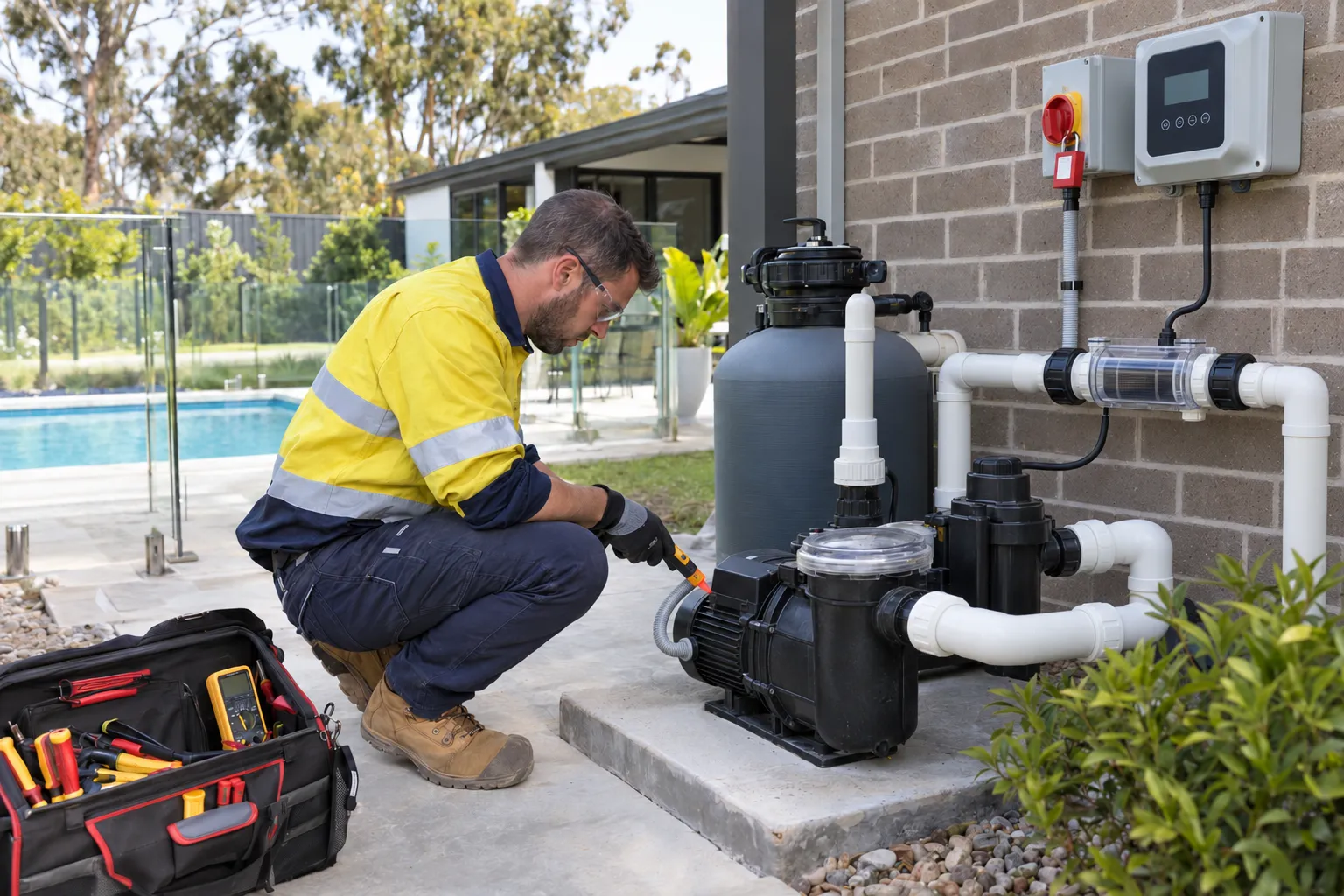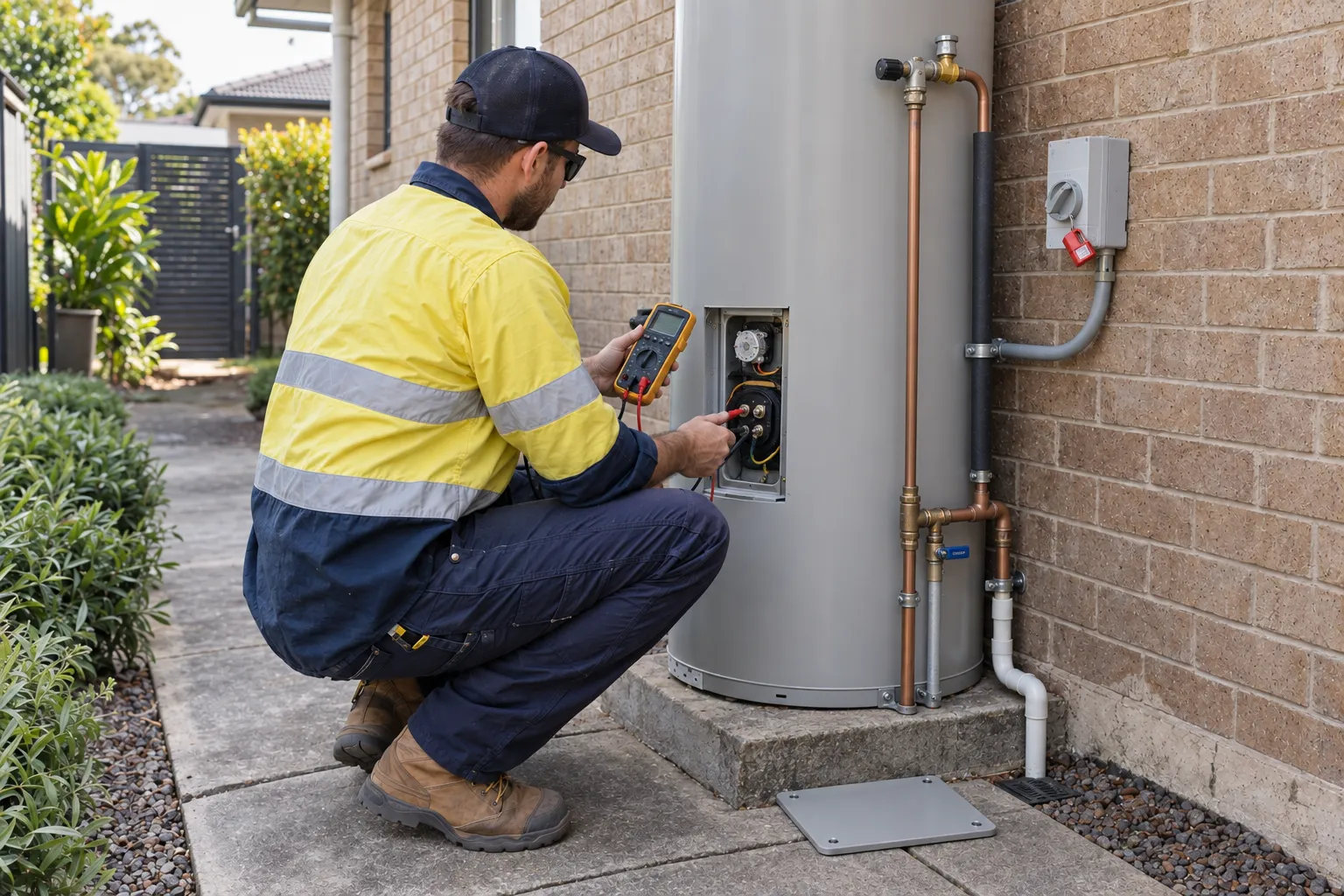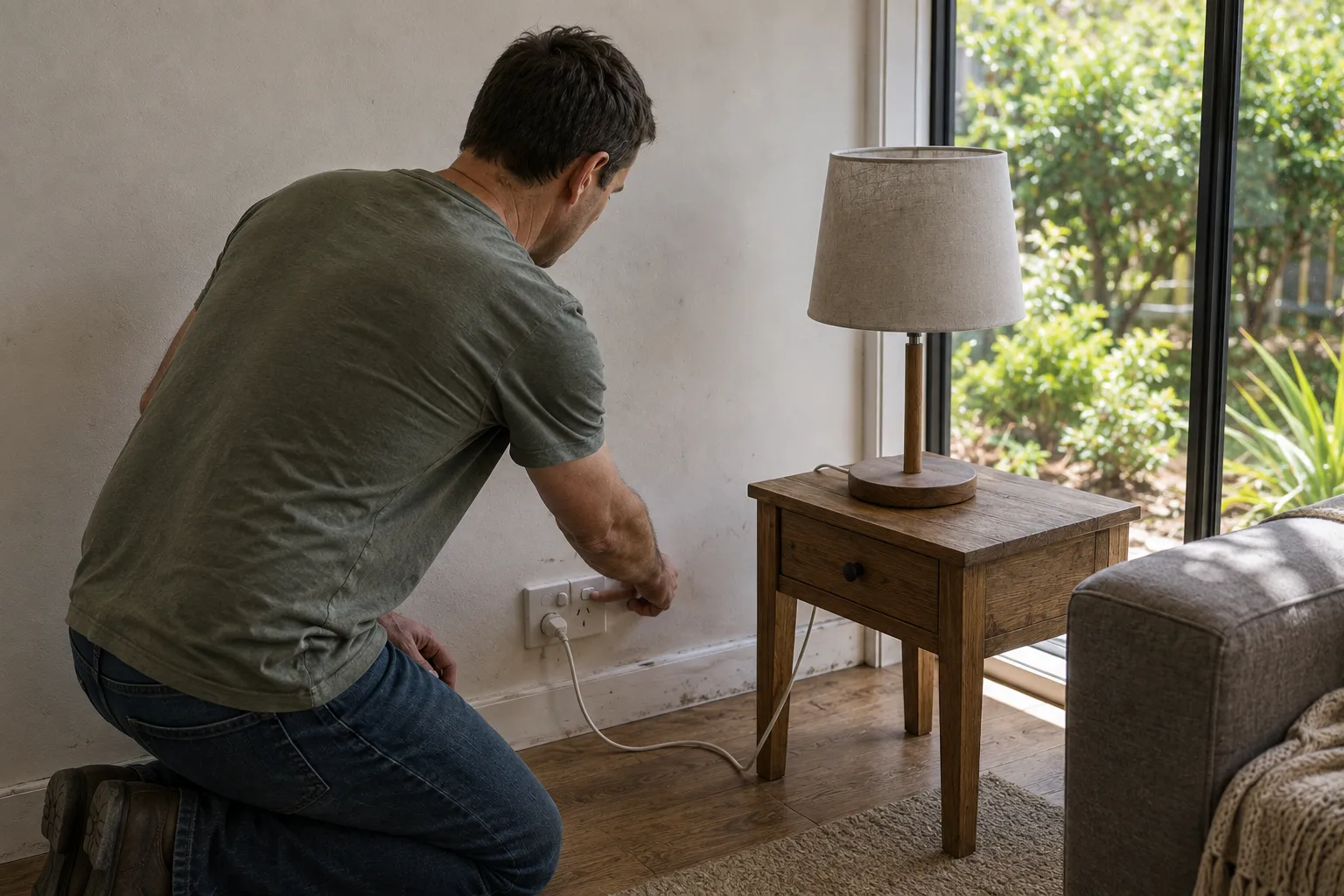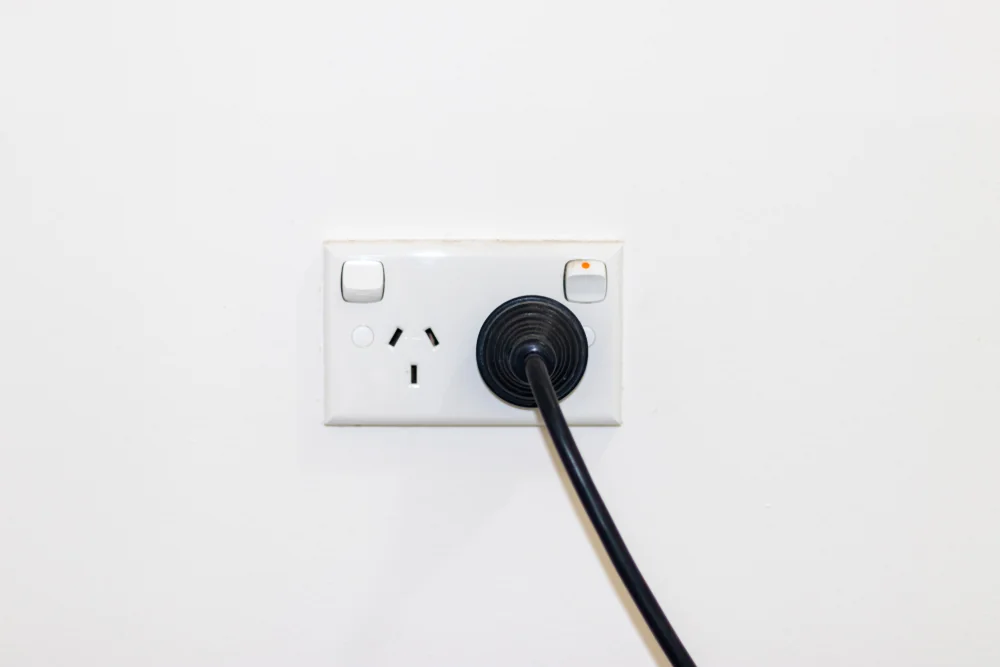
A power point that feels hot to the touch is never something that should be ignored. While some outlets can become mildly warm during normal use, especially when running high-demand appliances, excessive heat can signal a deeper issue within the outlet, wiring or circuit. Overloaded circuits, loose connections, ageing components and deteriorating insulation can all create dangerous heat build-up behind the wall before visible damage appears.
For homes and businesses concerned about a hot or damaged outlet, arranging an inspection from an experienced electrician in Northern Beaches is the safest way to confirm whether the power point is operating normally or developing into a serious electrical hazard. Hudson Electrical (Level Electrical West Gosford) explains what causes power points to overheat, how to recognise the difference between normal warmth and dangerous heat, and when a licensed electrician should be contacted.
This article also outlines the warning signs that indicate an urgent electrical problem and how professional testing helps prevent electrical fires, equipment damage and ongoing safety risks in residential and commercial properties.
A power point that feels slightly warm after running an appliance for a while is not always a concern. Electrical current naturally creates some heat, and modern electrical systems are designed to manage normal operating temperatures. The issue begins when the outlet feels hotter than expected, continues heating up during use or remains warm long after the appliance has been switched off.
The key is to recognise the difference between normal warmth and a possible fault. A mildly warm outlet may simply be responding to a high-load appliance, but a hot outlet can indicate excess resistance, poor contact or overloaded wiring. Ignoring these signs can increase the risk of melted plastic, scorch marks, damaged insulation or, in serious cases, an electrical fire inside the wall.
A power point that is only mildly warm and cools down after the appliance is switched off is usually not a problem. This can happen when using high-demand appliances such as:
If the outlet feels slightly warm, similar to a laptop charger after long use, it may still be within normal limits. However, concern is justified if:
These signs suggest the heat may be caused by poor connections, damaged components or overloaded wiring rather than normal operation.
A hot power point usually means something in the circuit is not operating safely. Heat is often caused by excess current, poor contact, internal damage or ageing electrical components. Any of these issues can increase the risk of electric shock, appliance damage or fire if left unchecked.
Understanding the common causes can help property owners decide when to stop using the outlet and arrange a professional inspection.
One of the most common reasons for a hot power point is overloading. Every circuit is designed to carry a maximum amount of current. When too many devices are plugged in, or a high-wattage appliance is used on a circuit that is already under pressure, the wiring and outlet can begin to heat up.
Electric heaters, portable air conditioners, dryers, ovens and some power tools draw a lot of current. If these appliances share a circuit with fridges, televisions, computers, chargers or power boards, the total load can become too high. The outlet plate may feel noticeably warm, and the plug itself may feel hot around the pins.
A circuit breaker may not always trip straight away, so persistent warmth should still be taken seriously. Reducing the number of appliances on the circuit can help in the short term, but repeated heat should be inspected by a licensed electrician.
Heat at one specific power point often points to a problem behind the outlet rather than across the whole circuit. When electricity passes through a loose, corroded or damaged connection, resistance increases. That resistance turns electrical energy into heat right at the outlet.
Loose or damaged connections can be caused by:
Warning signs can include crackling or buzzing sounds, a faint burning smell, light discolouration or browning around the socket. If heat appears alongside any of these symptoms, the outlet should not be used until it has been inspected and repaired.
Older or poor-quality power points can overheat because the internal contacts are no longer holding the plug firmly. When the metal contacts weaken, the connection becomes less stable. This creates resistance, which can generate heat even under a normal electrical load.
Plastic housings can also become brittle with age, heat exposure or UV exposure. Small cracks may allow dust and debris to enter the outlet, affecting insulation and creating warm spots during use. In some cases, cheap or non-compliant outlets may contain thinner internal components that run hotter than they should.
If a plug feels loose, wobbles in the socket or needs to be positioned a certain way to work, the outlet should be checked and replaced if necessary.
A hot power point should be treated as a warning sign. The priority is to reduce the immediate risk, stop using the outlet and arrange for the cause to be identified by a licensed electrician.
If the power point feels hotter than lukewarm, switch it off and unplug all appliances from the outlet. Do not plug anything back in, even if the outlet cools down later. The underlying fault may still be present and could create a fire risk the next time it is used.
If the outlet or surrounding wall feels very hot, smells like burning or shows signs of melting or discolouration, turn off the power to that circuit at the switchboard if it is safe to do so. If there is visible smoke, charring or active burning, do not continue using the electrical system and contact emergency services.
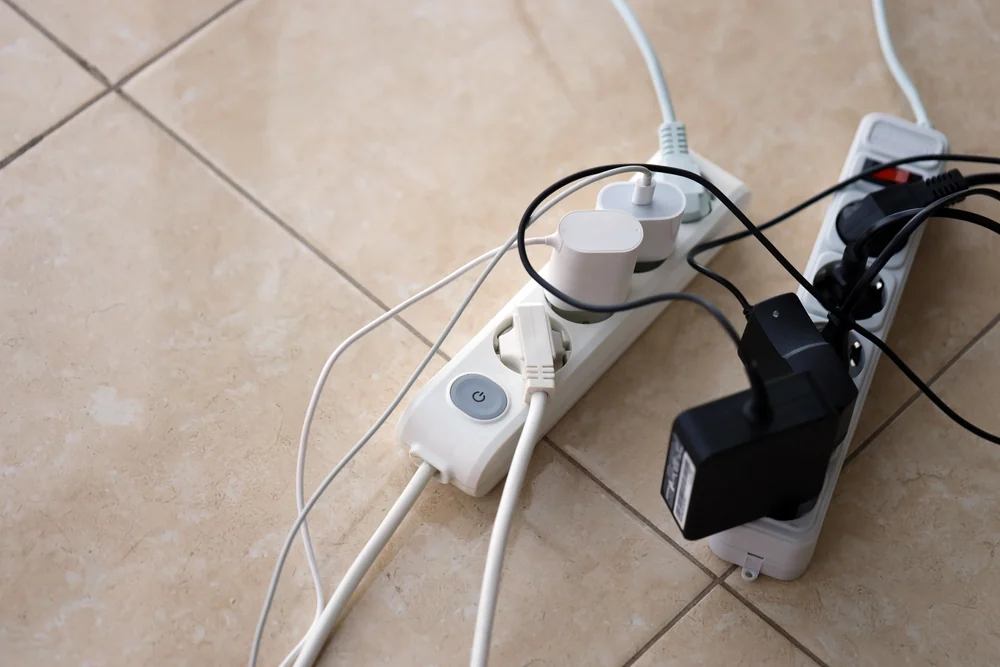
Many overheating issues start with too many appliances running from one outlet or circuit. Power boards, double adaptors and high-demand appliances can all place extra pressure on wiring and outlet components.
Heavy-demand appliances should be plugged into suitable outlets and should not be daisy-chained through power boards or adaptors. If the same power point repeatedly becomes warm when certain appliances are used, treat it as a fault rather than normal wear and tear.
Any power point that has felt hot should be inspected by a licensed electrician, even if overloading seems to be the cause. Heat can damage the internal contacts, wiring and insulation inside the wall where problems are not visible from the surface.
During an inspection, an electrician can:
Depending on the findings, the outlet may need to be replaced, wiring may need repair or the circuit may need to be reconfigured to better handle the way the space is used.
A power point that feels slightly warm after running a high-demand appliance is one thing. A power point that feels hot or shows other warning signs should be treated as an electrical hazard.
A hot power point is one of the clearest signs that something is wrong, especially if only a light load is plugged in. Other red flags include:
These signs often point to overheating inside the outlet or at the wiring connection. Continued use can cause insulation to break down, increasing the risk of arcing and fire.
A correctly working power point should be silent and consistent. Buzzing, sizzling or crackling sounds can indicate loose terminals or arcing behind the outlet. This can quickly worsen if the outlet continues to be used.
Appliances that cut in and out when plugged into the same outlet may also indicate a poor connection. If lights flicker when an appliance is switched on, the issue may relate to an overloaded circuit, loose joint or deteriorating wiring.
Safety switches and circuit breakers are designed to protect the electrical system, but frequent or unexplained tripping should not be ignored. Repeated tripping may indicate overloading, damaged wiring, a faulty appliance or a deeper issue within the circuit.
Loose plugs are another warning sign. If plugs fall out easily, wobble in the socket or only work when held at a certain angle, the internal contacts may be worn. This can create heat at the connection point and increase the risk of arcing.
A hot power point is treated as a potential fire and electric shock risk. A licensed electrician will work through a structured testing process to identify whether the heat is coming from a failing socket, loose wiring, an overloaded circuit or a deeper switchboard issue.
The first step is to make the area safe. Power to the affected circuit is turned off at the switchboard, and the electrician confirms the outlet is de-energised before removing the faceplate.
A visual inspection may check for:
If there are signs of heat inside the wall cavity, the electrician may inspect the surrounding area more closely to check whether the fault has affected nearby wiring or materials.
The electrician may test the outlet and circuit to confirm whether the issue is isolated to one power point or part of a broader wiring problem. This may involve checking voltage, resistance, polarity, earthing and current draw.
If overloading is suspected, the electrician may ask what appliances are normally used on that circuit. In some cases, they may measure the current draw with specialised testing equipment to confirm whether the circuit is carrying more load than it should.
The switchboard may also be assessed, especially in older properties or buildings with outdated protection. If the board is old, crowded or still uses rewirable fuses, upgrades may be recommended to improve safety and reduce the risk of future overheating.
Only after the cause has been identified should the power point be replaced, wiring repaired or the circuit adjusted. This ensures the repair addresses the underlying problem rather than only replacing the visible outlet.
A hot power point should always be treated as a warning sign, especially if the heat is new, worsening or paired with smells, discolouration, buzzing, loose plugs or repeated tripping. Excessive heat can point to overloaded circuits, loose wiring, deteriorating components, damaged insulation or faults developing deeper within the electrical system.
Because much of the risk can sit behind the wall, professional inspection is the safest way to confirm the cause. Electrical testing and fault diagnosis allow damaged outlets, unsafe wiring, overloaded circuits and failing switchboard components to be identified before they lead to more serious property damage or safety risks.