Electrical safety is a core responsibility in rental property management, affecting tenant wellbeing, property protection and compliance. Poorly maintained electrical systems can lead to appliance damage, electric shock and fire, while also increasing the risk of insurance disputes and legal complications. For landlords and property managers seeking a trusted electrician in Northern Beaches, Hudson Electrical can assess faults, complete repairs and recommend practical upgrades to help keep rental properties safe and reliable.
Recognising common electrical safety risks, maintaining switchboards, safety switches, wiring, power points and lighting, and responding promptly to tenant reports can prevent small issues from becoming serious problems.
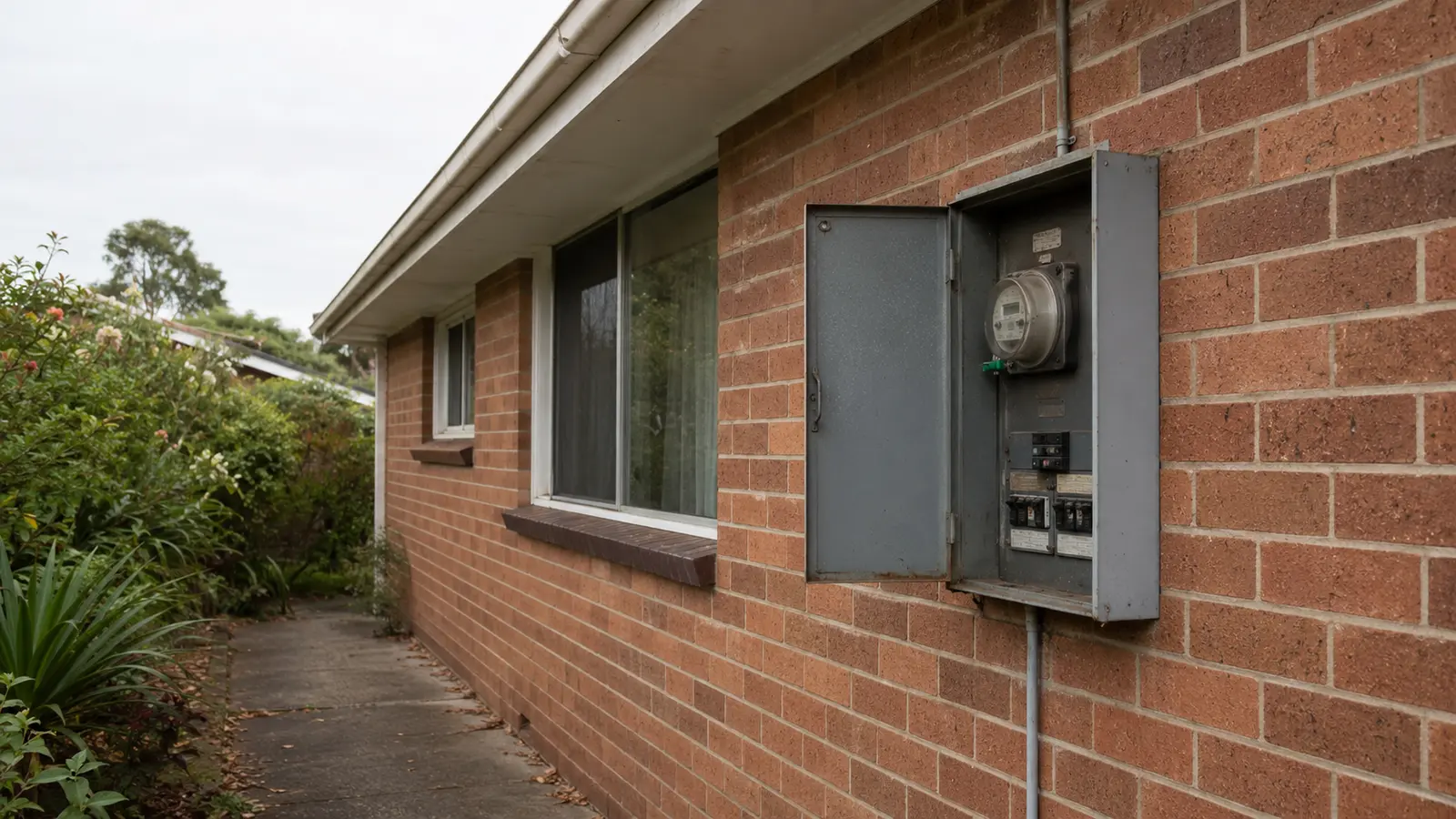
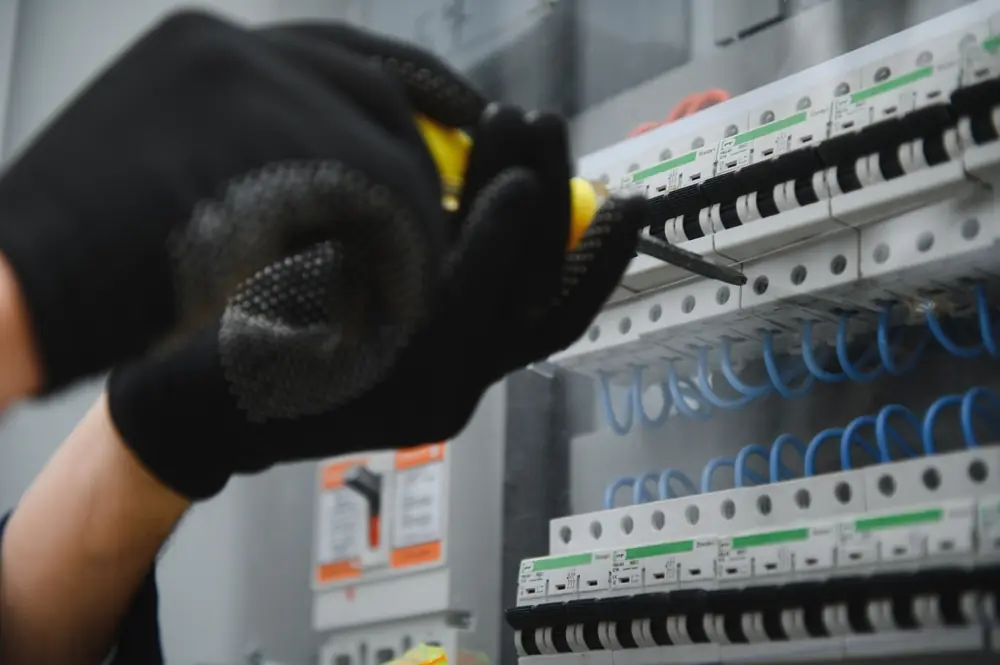
The switchboard is the control centre of a rental property’s electrical system. It distributes power throughout the dwelling and contains protective devices designed to respond when faults or excessive electrical loads occur.
It is not enough for the electricity to simply be working. The switchboard should be in safe condition, have secure covers and be suitable for the property’s electrical demand. A licensed electrician can assess its condition, identify ageing components and determine whether additional safety-switch protection or an upgrade is needed.
A modern switchboard will generally include circuit breakers, safety switches, clear circuit labels and sufficient capacity for the property’s appliances, lighting, hot water system and air conditioning.
Older switchboards containing ceramic rewireable fuses may lack the protection and capacity expected in a modern home. They are not automatically unsafe simply because of their age, but they should be assessed by a licensed electrician, particularly if they also have:
Rewireable fuses can also create risks if fuse wire is replaced incorrectly or a circuit is overfused. A switchboard upgrade may be recommended where the existing equipment is deteriorated, unsuitable for the installation or unable to provide adequate modern protection. Other electrical upgrades for older properties may also be required where wiring, power points or circuits no longer meet modern demands.
Each circuit should be clearly labelled so that lighting, groups of power points and fixed appliances can be identified quickly. Clear labelling helps occupants isolate a problem when instructed and allows electricians to work more safely and efficiently.
Safety switches, also known as residual current devices or RCDs, are designed to protect people from severe electric shock. They are different from circuit breakers, which primarily protect wiring and electrical circuits from overloads and short circuits.
The NSW rental property condition report records whether the property has a safety switch and whether it is working. Testing is the only reliable way to confirm that a safety switch operates correctly at the beginning of a tenancy. NSW Government guidance recommends testing safety switches every six months.
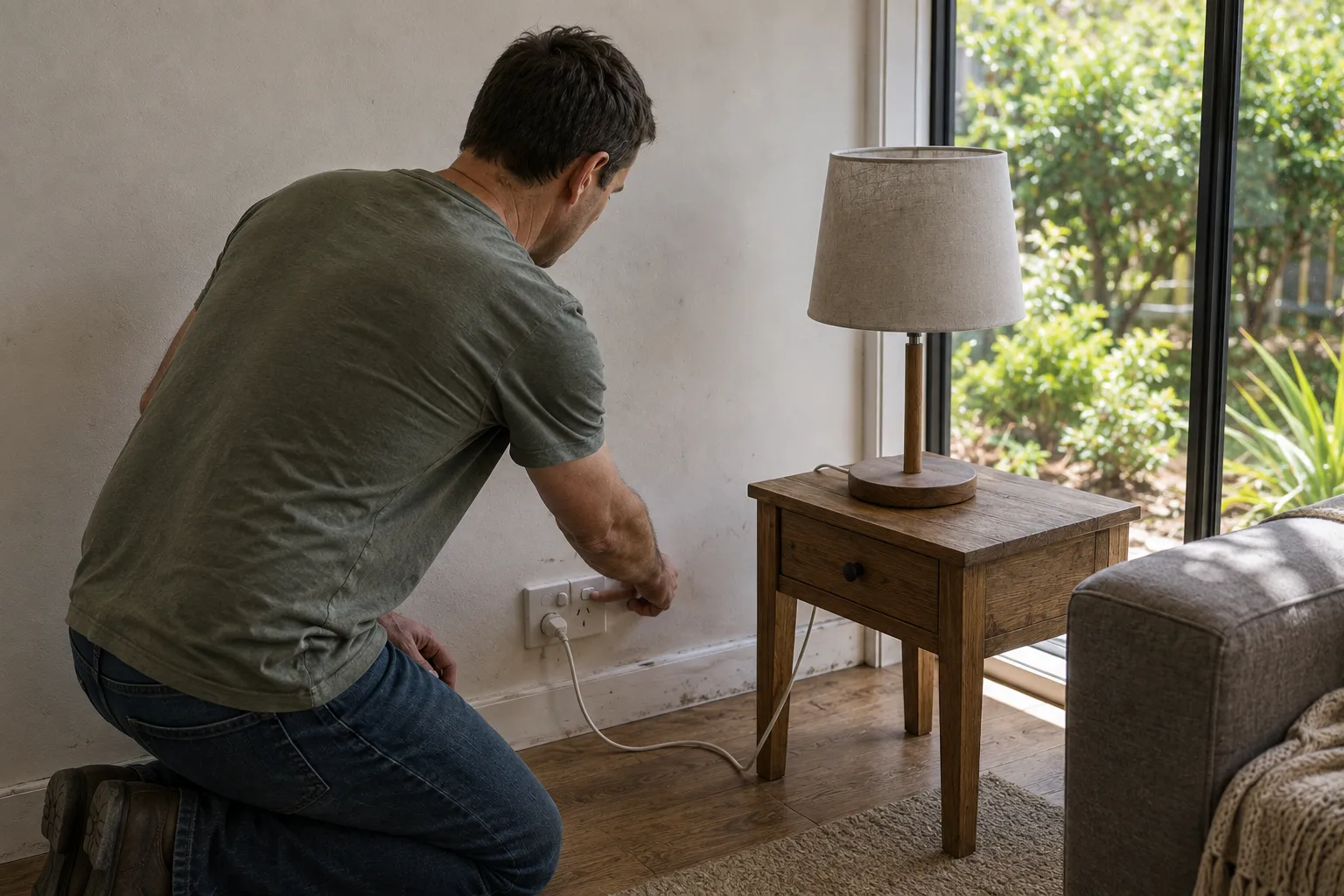
Most safety switches have a button marked “T” or “Test”. Before testing:
If the safety switch does not trip, does not disconnect the expected circuits or cannot be reset, a licensed electrician should investigate the issue promptly. A faulty safety switch or one that is detecting an electrical fault in a rental property is considered an urgent repair.
A licensed electrician can also identify which circuits are protected by safety switches and advise whether additional RCD protection should be installed. Extending protection across lighting, power and fixed-appliance circuits can provide a higher level of safety, particularly in older properties.
Landlords and property managers should arrange urgent electrical assessment if tenants report or inspections reveal:
Water ingress, storm damage, burning smells, visible arcing and accessible live parts can create an immediate hazard. Occupants should keep away from the affected area and avoid touching the switchboard. Power should only be isolated where it is safe to do so and in accordance with instructions from an electrician or emergency service.
Electrical wiring can deteriorate because of age, heat, moisture, pests, physical damage or unsuitable alterations. Circuits may also become overloaded when the electrical system was designed for fewer appliances than the property now uses.
Regular visual checks can help identify warning signs, but they do not replace professional testing. Wiring inside walls, ceilings and switchboards cannot be safely assessed without appropriate knowledge and equipment.
Power points, switches and light fittings should not feel unusually warm during normal use. Heat can indicate loose connections, internal damage, overloading or poor contact between a plug and outlet.
Other warning signs include:
The affected fitting or appliance should not continue to be used until it has been assessed. Tenants should not remove covers, inspect wiring or attempt repairs themselves.
Repeated circuit-breaker or safety-switch tripping should not be treated as an inconvenience that can be resolved by continually resetting the switch. It may indicate:
Flickering or dimming lights when large appliances start can also point to loose connections, voltage issues or an electrical system operating near its capacity. Lights that regularly blow globes, hum or operate intermittently may have faulty fittings, transformers, drivers or dimmers.
Property managers should encourage tenants to report these symptoms early rather than assuming they are normal features of an older property.
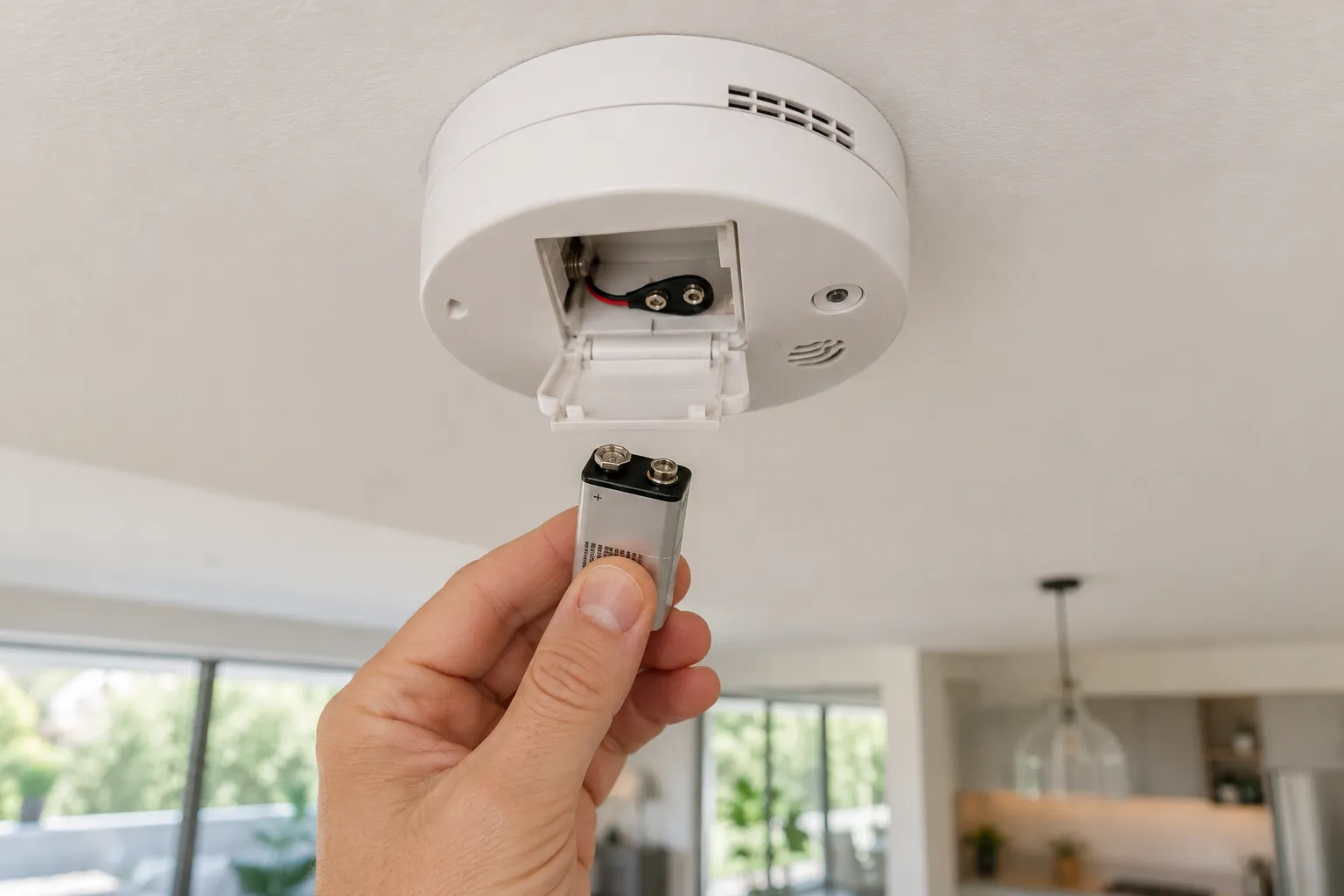
Working smoke alarms provide early warning of a fire and are an essential safety feature in every rental property. In NSW, both landlords and tenants have responsibilities relating to smoke alarms, although landlords retain the overall responsibility for ensuring alarms are working. Professional smoke alarm installation and maintenance can help ensure alarms are correctly positioned, operational and suitable for the property.
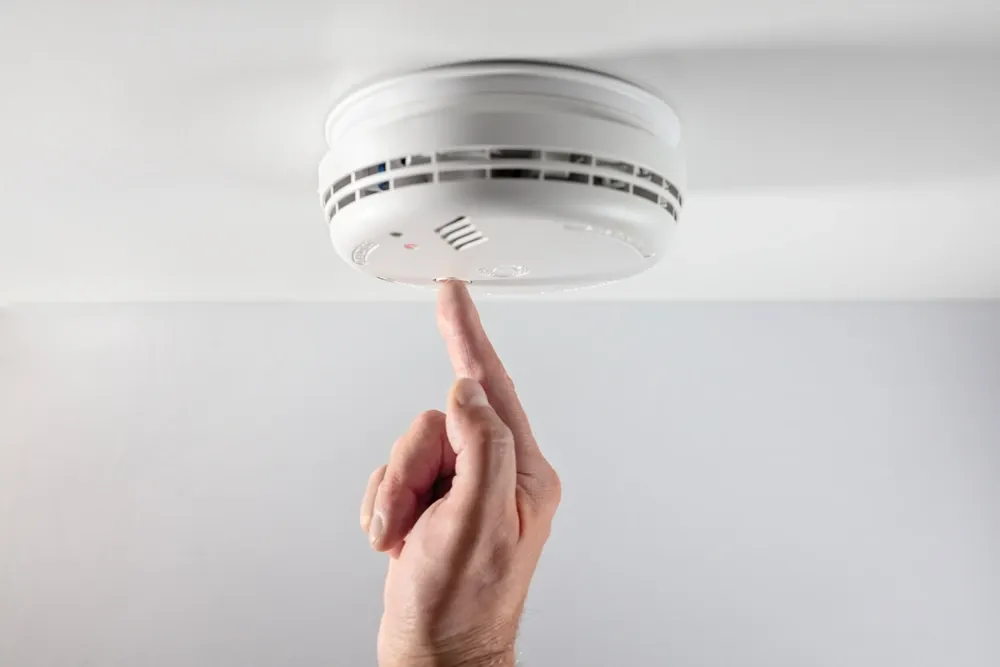
NSW landlords must ensure that at least one working smoke alarm is installed in a hallway outside a bedroom, or another suitable location, on every storey of a rented home. Smoke alarms must not be removed or disabled.
This is the minimum legal requirement. Fire and Rescue NSW recommends a higher level of protection through additional interconnected alarms in bedrooms, living spaces, hallways, stairways and garages. When interconnected alarms are installed, every alarm sounds when one unit detects smoke, giving occupants more time to respond.
Different alarm technologies are available, including photoelectric, ionisation, dual-sensor and multi-criteria devices. The right selection will depend on the property, its layout and the applicable requirements. Alarm coverage, suitable placement, interconnection and regular maintenance are all important considerations.
Smoke alarms installed in NSW homes must meet the applicable Australian Standard AS 3786. A licensed electrician must repair or replace a hard-wired smoke alarm in a rental property.
Smoke alarms should be positioned where they can provide clear warning to people in sleeping areas. They should generally be installed on the ceiling between sleeping and living areas and in accordance with the manufacturer’s instructions and applicable building requirements.
Avoid placing alarms:
Where bedrooms are located in separate parts of a dwelling, additional alarms may be needed near each sleeping area. Larger, multistorey or unusually configured properties may also require additional planning to provide effective warning throughout the home.
NSW landlords must:
Fire and Rescue NSW also recommends:
A full smoke-alarm check should be included when preparing a property for a new tenancy. This should confirm that the alarms are present, correctly located, operational and within their service life. The dates of the most recent smoke-alarm check and battery replacement should also be included in the condition report.
Tenant reports about power, lighting, appliances or electrical fittings can be early warnings of serious problems. Even a fault that initially appears minor should be recorded and assessed carefully.
NSW Government guidance states that any electrical fault in a rental property before or during a tenancy is an urgent repair. Landlords are responsible for ensuring that urgent repairs are completed within a reasonable time frame.
When a tenant reports an electrical issue, ask:
This information can help determine the immediate risk, but it should not be used to diagnose the fault remotely or delay professional assessment.
Depending on the situation, tenants may need to be instructed to:
Anyone who has received an electric shock should seek a medical assessment after an electric shock, even when there are no obvious external injuries.
Electrical repairs must be completed by an appropriately licensed electrician. Landlords, tenants and unlicensed maintenance workers should not remove electrical covers, modify wiring or attempt temporary repairs.
A clear repair record should include:
This creates a clear history of the problem and demonstrates that the report was handled promptly.
Electrical fittings can deteriorate through normal use, accidental damage, moisture, salt air, sunlight, insects and pests. Rental inspections provide an opportunity to identify visible problems, although property managers should avoid touching or testing damaged fittings themselves.
Accessible fittings should be secure, undamaged and operating normally. Look for:
In kitchens, bathrooms and laundries, pay particular attention to water staining, corrosion, swelling or damaged fittings. Power points and switches located near water must be installed in accordance with applicable electrical requirements.
Fixed appliances supplied with the property, including ovens, cooktops, rangehoods, air conditioners and hot water systems, should be checked for secure mounting, obvious damage and reliable operation. Faults involving hard-wired equipment must be referred to a licensed electrician.
Outdoor electrical equipment faces additional exposure to rain, ultraviolet light, salt air, soil movement, garden tools and pests.
Check that:
Any outdoor fitting with missing covers, damaged seals, corrosion or water entry should be assessed. Damage may cause safety-switch tripping, electric shock or further deterioration within the circuit.
Electrical installations around pools, spas and water features are subject to specific requirements because of the increased risk created by water. Changes to pool equipment, pumps, lighting or nearby power points should be assessed and completed by appropriately licensed tradespeople.
Good electrical records help landlords and property managers track recurring faults, plan upgrades and demonstrate that reported hazards have been addressed.
The rental property condition report should record visible electrical hazards, working safety switches, installed smoke alarms and relevant smoke-alarm testing and battery-replacement dates. Detailed descriptions and time-stamped photographs can also reduce uncertainty if a future dispute occurs.
A dedicated electrical file should include:
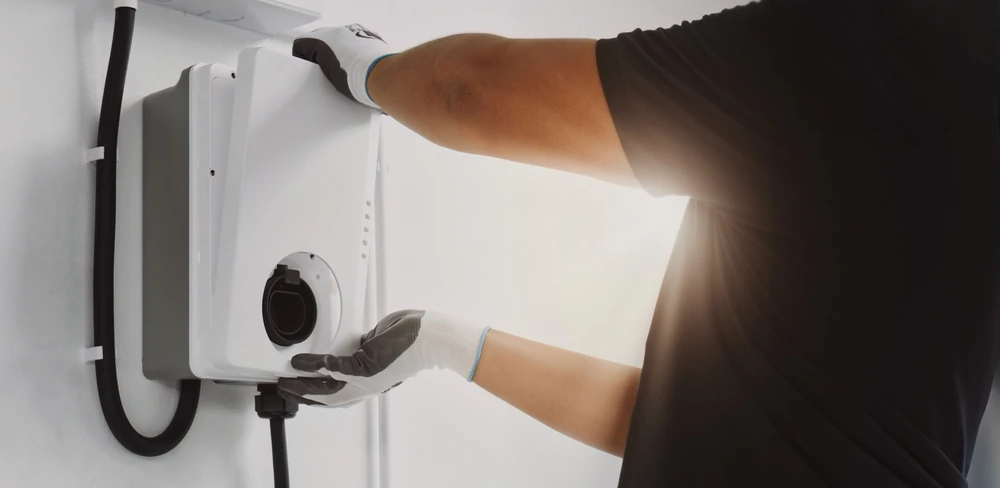
Electrical installation work must be completed by a licensed electrician. Where required, the electrician should provide a Certificate of Compliance for Electrical Work confirming that the completed work has been tested and complies with applicable requirements.
Each record should identify the property, the date of the work, the electrician engaged, their licence details, the work completed, any test results and any further recommendations.
Rather than relying on an arbitrary retention period, landlords and property managers should keep electrical records for as long as the property is owned or managed and in accordance with applicable tenancy, insurance, taxation and business record-keeping requirements.
Documents relating to major work, such as rewiring, switchboard replacement, meter changes, new circuits or smoke-alarm upgrades, should remain part of the property’s long-term maintenance history.
A practical system could include separate digital folders for:
A summary spreadsheet can record the date of each job, the electrician engaged, the problem identified, the work completed, the test results and the next recommended action. Secure cloud storage and regular backups can reduce the risk of important records being lost.
Electrical safety involves more than responding when the power fails. Regular visual checks, six-monthly safety-switch testing, annual landlord smoke-alarm checks and prompt responses to tenant reports can help identify risks before they cause injury or significant property damage.
The frequency and scope of professional electrical inspections should reflect the age and condition of the property, its previous electrical history and any warning signs reported by tenants. Older wiring, repeated tripping, previous water damage, ageing switchboards and extensive use of high-demand appliances may justify closer assessment.
Hudson Electrical can assist Northern Beaches landlords and property managers with electrical fault finding, switchboard assessments, safety-switch testing, smoke-alarm work and general repairs. By addressing problems early and maintaining accurate records, property managers can better protect tenants, preserve property assets and meet their responsibilities with confidence.