When only part of a home loses power while the rest of the property remains operational, the cause is not always obvious. A single room without power, dead outlets in one area or lights that stop working unexpectedly can point to anything from a tripped circuit to a more serious electrical fault. Understanding the difference is important because partial power loss can affect safety, damage appliances and indicate problems developing within the wiring or switchboard.
For North Shore homeowners, these issues can be difficult to assess without the right testing equipment. An electrician in North Shore, such as Hudson Electrical (Level Electrical), can help determine whether the problem is caused by a faulty appliance, damaged wiring, an overloaded circuit or an issue at the switchboard. This article explains the most common causes of partial power loss, the checks that can be performed safely, the warning signs that should never be ignored and when professional electrical assistance is required.
Before checking the switchboard or arranging an electrician, it helps to understand exactly where power has been lost. A partial outage can reveal useful clues about whether the problem is limited to one circuit, a particular appliance or something more serious affecting multiple areas.
A methodical walk through the property helps narrow down the cause quickly. Taking a few minutes to map which rooms, outlets and lights are affected can prevent guesswork, reduce hazards and provide clear information to a licensed electrician if professional help is required.
Start at one end of the home and move room by room. In each area, check both lighting and power points rather than assuming that if the light works, the outlets do too.
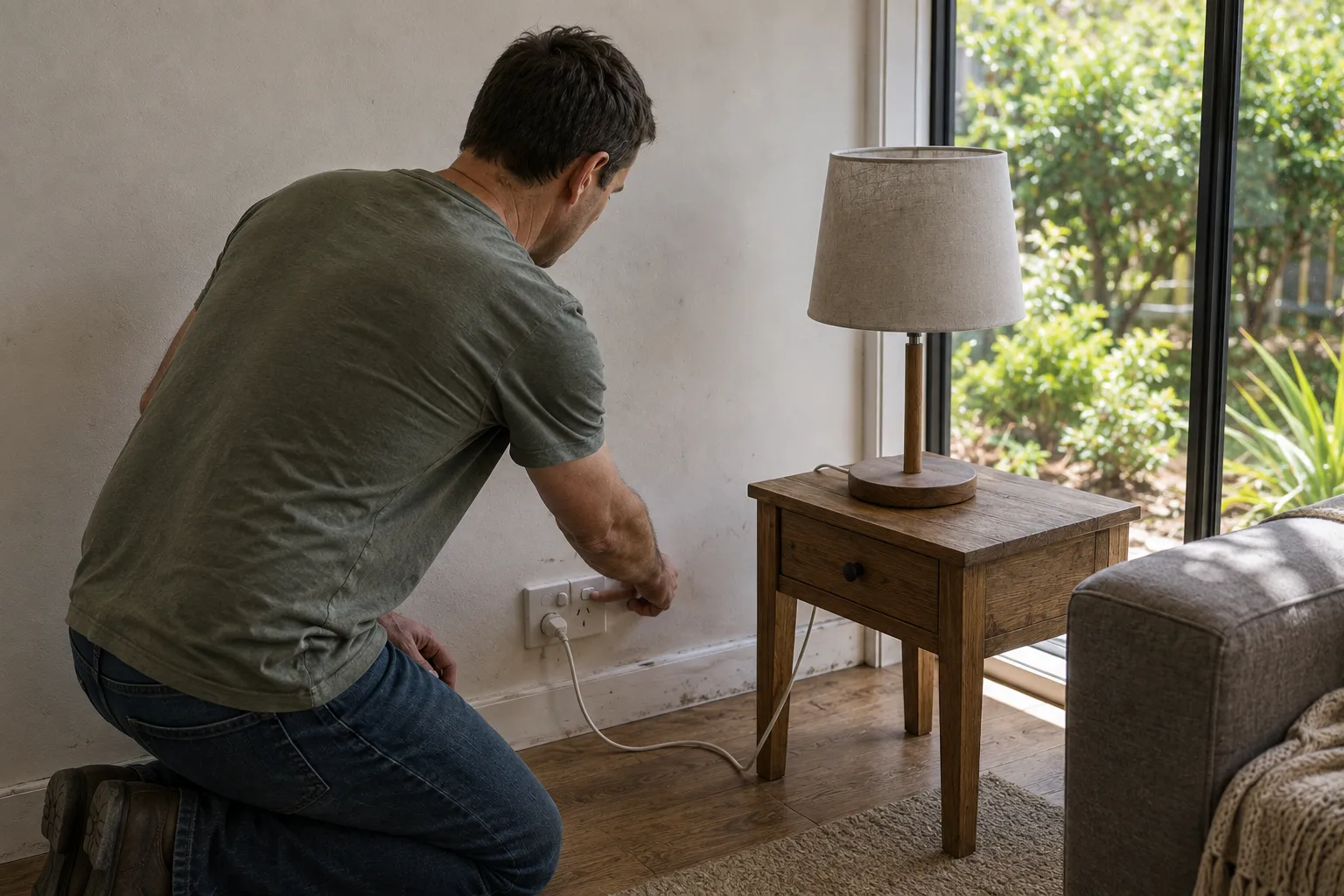
Switch lights on and off in each room. Then test at least one known appliance or device at a few different outlets. A phone charger or small lamp is useful because it is easy to move and shows quickly if an outlet is working.
Include all relevant areas in the check, such as:
Note any patterns. For example, if all kitchen outlets are dead but the kitchen lights work, it is likely that the power circuit for outlets has tripped rather than the whole home losing supply.
Most modern homes have separate circuits for power points and lighting, often grouped by area. The pattern of what is working and what is not can indicate where the issue sits.
Look for these common patterns:
Also note whether an appliance was recently plugged in when the power failed, or whether the outage occurs only when a large appliance operates. That information can help determine if an individual appliance is overloading a circuit.
Do not overlook areas that are easy to forget, such as under-house storage, external sheds or outdoor entertainment spaces. These may share circuits with indoor areas and can help confirm which circuit is affected.
Pay attention to any unusual signs in affected areas, such as a burning smell, discoloured outlets, warm switch plates or buzzing from fittings. If any of these are present, do not continue testing outlets and do not reset any switches. Instead, switch off the main power if it is safe to do so and contact a licensed electrician immediately.
Once the affected rooms and outlets have been clearly identified, it becomes much easier to move to the next step of checking the switchboard and protective devices.
When only part of a home loses power, the switchboard is usually the first place to check. A single circuit breaker or safety switch may have tripped, and isolating the issue can quickly show whether it is a simple overload or a more serious fault.
This step must be done calmly and carefully. A quick visual check and one careful reset may restore power safely. If the circuit will not hold or trips again, more forceful attempts are risky and a professional electrician is required.
Do not touch the switchboard if there are signs of burning, such as a hot plastic smell, scorch marks, cracking around switches or buzzing from the board. Stand clear and contact an expert or emergency services if there is smoke or fire.
If the switchboard is outdoors, wait until the area is dry before operating switches. Never use breakers with wet hands or while standing on a wet surface. Use a torch rather than a lighter or candle for visibility.
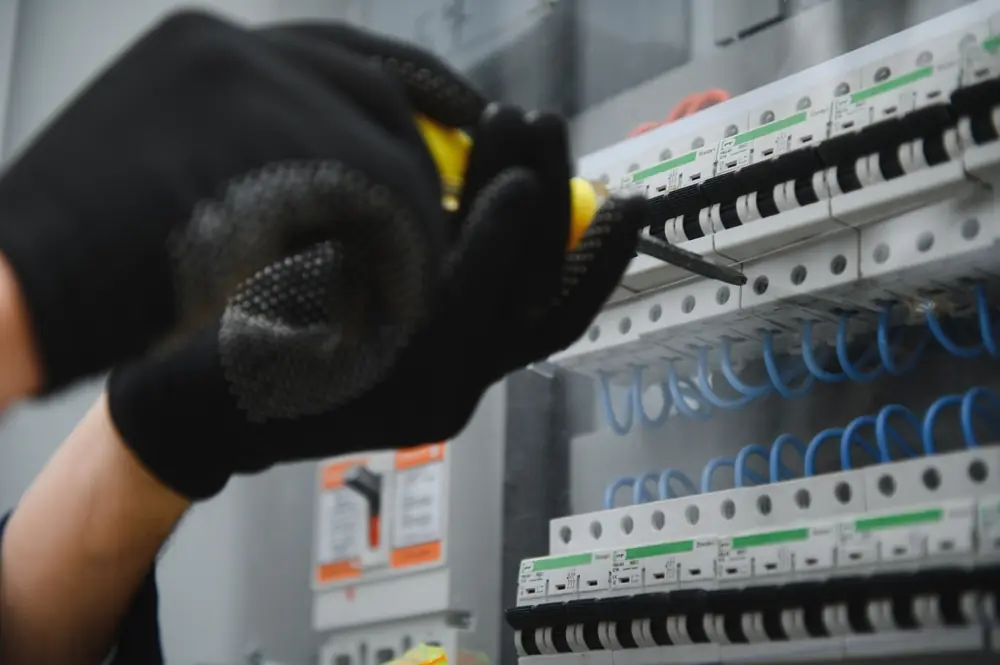
Open the switchboard cover and look along the row of circuit breakers and any safety switches or RCDs. A tripped device will usually sit between ON and OFF or clearly in the OFF position, while others remain ON. Some boards have labels, which can help confirm whether the affected breaker matches the rooms without power.
Note whether it is a standard circuit breaker or an RCD, also known as a safety switch, that has tripped. RCDs monitor earth leakage from faulty appliances or wiring. If an RCD controlling multiple circuits has tripped, unplug appliances in that group of outlets before attempting a reset.
Before resetting, switch off or unplug as many appliances as possible on the affected circuit. This is especially important for high-load devices such as heaters, kettles, toasters, portable air conditioners, washing machines and dryers. Reducing the load lowers the chance of an immediate trip caused by overloading.
If the breaker or RCD clicks on and stays on, wait a minute before turning lights and appliances back on one at a time. If a particular appliance causes another trip, unplug it and do not use it until it has been checked by an electrician or appliance technician.
If the breaker or RCD trips again immediately or within a short time, do not continue resetting it. Repeatedly forcing a protective device to stay on can worsen an electrical fault and increase fire or shock risk. Leave the circuit off and contact an electrician to inspect the wiring, switchboard and any suspect appliances.
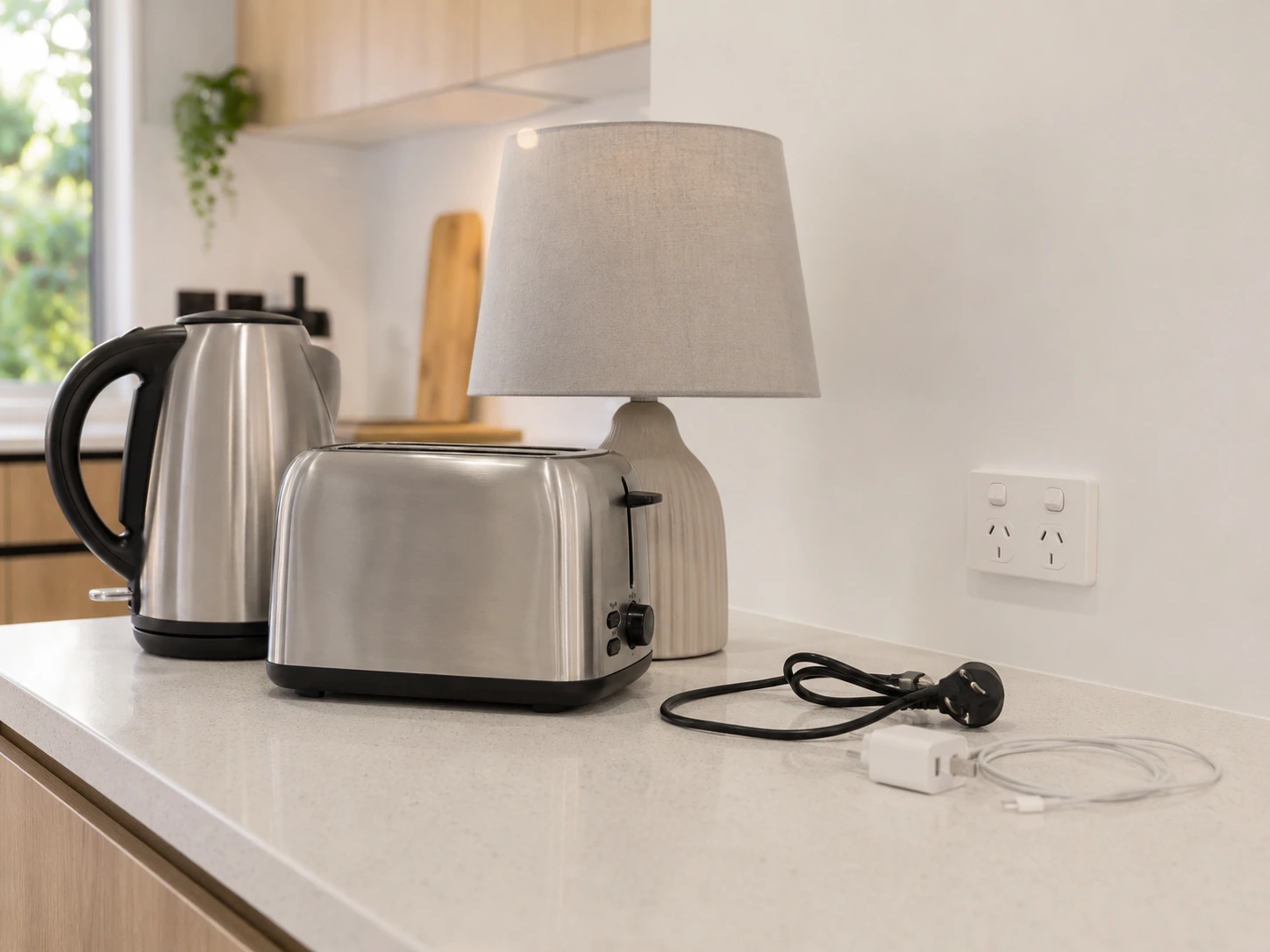
When only part of a home loses power, unplugging appliances on the affected circuit can help protect both the electrical system and the devices connected to it. Anything that was running when the power dropped should be switched off or unplugged before the circuit is reset.
This step reduces the risk of damage when power returns and helps identify whether a specific appliance is causing the fault. It also prevents overloaded circuits, repeated tripping and the chance that a faulty appliance will keep cutting the power as soon as the circuit is restored.
Start by walking through the affected rooms and noting what is off compared to the rest of the home. Focus on:
If only certain power points in a room are off while others still work, the dead outlets are usually on the same circuit. Anything plugged into them should be treated as connected to the affected circuit, even if the appliance itself was switched off.
Once everything has been unplugged and the circuit has been safely reset, plug appliances back in one at a time. Allow a short period after each item is turned on before adding the next.
If the circuit trips again after a particular appliance is connected, that device is a likely fault source. It should remain unplugged until checked by a licensed electrician or appliance technician.
Avoid plugging multiple high-demand appliances into the same double power point or power board on that circuit. Spreading loads across available outlets and circuits reduces the chance of overloading and repeated power loss.
When only part of a home loses power, it is worth working out whether the issue is local to the property or part of a wider supply fault. Checking with neighbours is one of the fastest ways to narrow this down before spending too much time on the switchboard or individual appliances.
If nearby properties are affected as well, it may indicate a problem in the street supply that needs to be handled by the electricity network provider. If the problem is isolated to one home or one section of a home, it is more likely to involve a wiring issue, a circuit fault, a switchboard problem or an appliance on that property.
Before continuing with troubleshooting, quickly confirm what is happening in surrounding homes. This does not require entering anyone’s property or touching their electrical equipment.
Start with the properties closest to yours. Look for simple visual signs, such as porch lights being off when they are usually on or houses that appear unusually dark at a time they would normally have lights operating. If it is safe to do so, a quick knock on the door or a phone call to neighbours can clarify whether they have also lost power or whether their lights are dim or flickering.
In an apartment or townhouse complex, common areas can provide quick clues. Check whether hallway lighting, lifts, car park lighting or shared-entry lights are operating. If shared areas have power but only the individual unit is affected, that points to an issue within that specific unit.
If two or more neighbouring properties are experiencing a similar issue, it is usually a supply-side problem. This could involve:
Individual circuit breakers or safety switches inside the home are unlikely to be the cause if multiple neighbouring homes are affected. The next step is to contact the electricity network provider for the area and report the outage, or check the provider’s website or outage map on a phone if mobile coverage is available.
If neighbours have full power and only one home is partly affected, the fault is more likely to be within that property. Possible causes include:
It is appropriate to move on to checking the switchboard and identifying which circuits have lost supply. If any burning smell, visible damage, buzzing or repeated tripping is noticed, stop resetting switches and arrange prompt attendance from a licensed electrician.
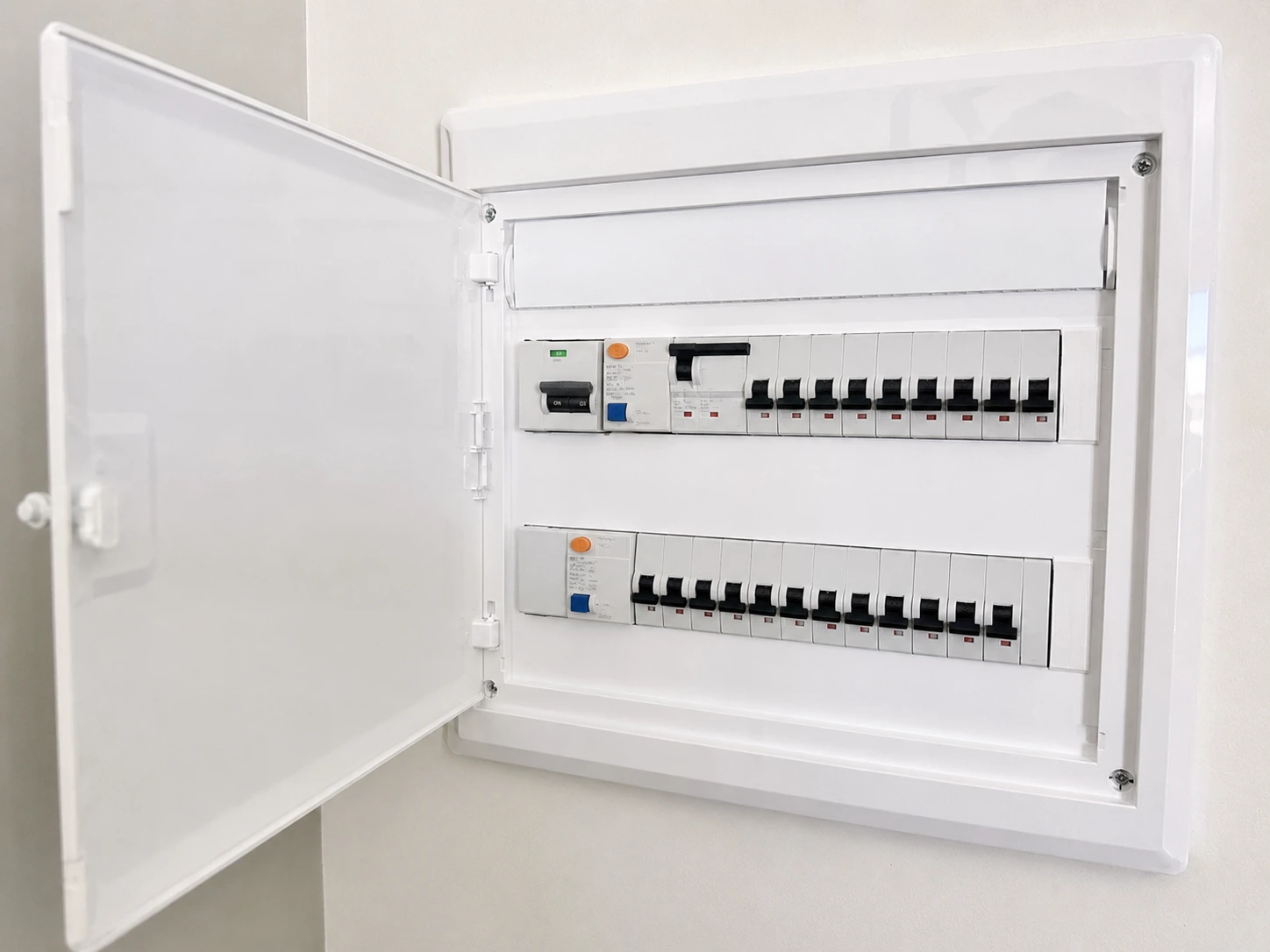
Partial loss of power is often blamed on a single tripped circuit breaker or faulty appliance. However, certain patterns of power loss can signal deeper electrical problems that require urgent attention. Recognising these warning signs early can prevent damage to appliances, reduce the risk of electric shock and lower the chance of an electrical fire.
Many homes combine older wiring with newer high-demand appliances. This mix can place extra stress on the electrical system. When only part of a home loses power, especially repeatedly or without an obvious cause, the situation should be treated as a possible warning sign rather than a minor inconvenience.
Some types of partial power loss are more concerning than others. Be alert to these red flags:
These symptoms suggest a problem beyond a single faulty appliance. In particular, dimming or fluctuating power can indicate unstable voltage or a loose connection that is overheating inside the wiring or switchboard.
Partial power loss can be linked to issues at the switchboard or where the home connects to the street supply. Possible faults include a failing main switch, damaged busbars, a loose neutral connection or water ingress in the switchboard.
A loose or damaged neutral is especially serious. It can cause lights to brighten in one part of the home while dimming in another and can send incorrect voltage to appliances. This may lead to repeated failure of devices such as televisions, fridges, computers and other sensitive electronics. Any sign of inconsistent power across multiple circuits should be treated as a potential supply or neutral problem and checked by a licensed electrician as soon as possible.
Older switchboards that still use rewireable fuses or have overcrowded enclosures may also carry higher risk. Heat damage, scorching, melted plastic or brittle wiring inside the board are strong indicators of a fault that could lead to fire if not rectified.
If partial power loss is accompanied by burning smells, buzzing or crackling sounds, visible arcing or smoke, the safest response is to turn off the main switch if it is safe to reach. A licensed electrician should then be contacted urgently.
Even if there are no obvious signs of burning, any recurring partial power loss that cannot be clearly linked to a single overload should be investigated. Repeated breaker trips, unexplained voltage drops or issues following recent renovations are all situations where continued use of the system without inspection may increase the risk of serious damage.
Partial loss of power can be a sign of a fault that will not fix itself and may worsen without warning. Knowing when to stop troubleshooting and call an electrician is critical for safety and for preventing damage to appliances or wiring.
In general, if the cause is not obvious and easily resolved at the switchboard, it is safer to bring in a professional. Electrical faults can be hidden inside walls, roof spaces, junction boxes, switchboards or supply connections, where they cannot be safely inspected without proper testing equipment.
An electrician should be contacted immediately if there is any sign that the problem involves heat, arcing or exposed wiring. Warning signs include:
Power should be turned off at the main switch if it is safe to reach the board. Do not ignore intermittent burning smells or noises, even if the power comes back on, as these can indicate a developing fire risk.
If some parts of the home repeatedly lose power or certain breakers will not stay on, there is usually a fault that needs professional diagnosis. An electrician should be called if:
Repeated tripping can indicate overloaded circuits, damaged wiring, faulty appliances or issues with the supply from the street. Continuing to reset a breaker that will not hold can cause further damage and increase the risk of fire.
After checking the basic items at the switchboard, confirming no obvious breakers are off and checking whether the street has lost power, professional help is required if the cause is still unclear. An electrician should be engaged if:
Hidden faults inside walls, junction boxes, ceiling spaces or the point where the supply enters the property need proper testing equipment. They should not be investigated by a homeowner.
After heavy rain, storms or local flooding, any partial loss of power should be treated with caution. An electrician should be called if:
Moisture inside fittings, cables and switchboards can cause corrosion, short circuits and delayed faults. The installation should be checked even if power appears to return to normal.
Partial power loss should never be dismissed as a temporary inconvenience. While a tripped breaker or overloaded circuit may be responsible in some cases, recurring outages, unexplained voltage fluctuations, burning smells, buzzing sounds or power loss affecting multiple areas can indicate more serious electrical faults.
Taking a systematic approach by identifying affected circuits, checking the switchboard, disconnecting appliances and recognising warning signs can help reduce risk and prevent further damage. When the cause is unclear or the same fault keeps returning, prompt electrical inspection helps protect the property, safeguard occupants and ensure the electrical system remains reliable and compliant.