Electrical issues in the home rarely resolve on their own. A flickering light, frequently tripping safety switch or warm power point may seem minor at first, but these warning signs can point to faults developing behind walls, inside fittings or at the switchboard. Hudson Electrical (Level Electrical West Gosford) works with homeowners across the region who need an experienced electrician on the Central Coast, often seeing how quickly small electrical problems can turn into safety hazards, property damage and more expensive repairs. Knowing when to act helps protect the home, reduce risk and avoid preventable costs.
This article explains how seemingly minor electrical problems can increase the risk of electric shock, fire, appliance damage and more extensive repair work later. It also covers the early warning signs to look for, how electrical faults tend to worsen over time and when a licensed electrician should be called.
Electrical issues rarely appear out of nowhere. Most serious faults begin with small warning signs that are easy to overlook in a busy household. A flickering light, a tripping safety switch or a faint burning smell may not seem urgent at first, but these symptoms often indicate an overloaded circuit, deteriorating wiring, moisture damage or failing components.
Recognising these early clues can help prevent dangerous shocks, electrical fires and costly emergency repairs. The sooner a fault is investigated, the easier it is to limit damage before it spreads through the wider electrical system.
Persistent flickering or dimming when appliances start up is one of the clearest early signs of an electrical problem. If a single light fitting flickers, the issue may be isolated to that fitting, globe or connection. If multiple lights flicker or dim, especially when a heater, oven, air conditioner or other high-demand appliance turns on, the problem may involve an overloaded circuit or loose connection.
Lights that brighten and dim unpredictably can also indicate a more serious issue, such as a loose neutral connection in the switchboard or meter box. This type of fault can place extra stress on wiring and connected appliances, increasing the risk of overheating if it is left unresolved.
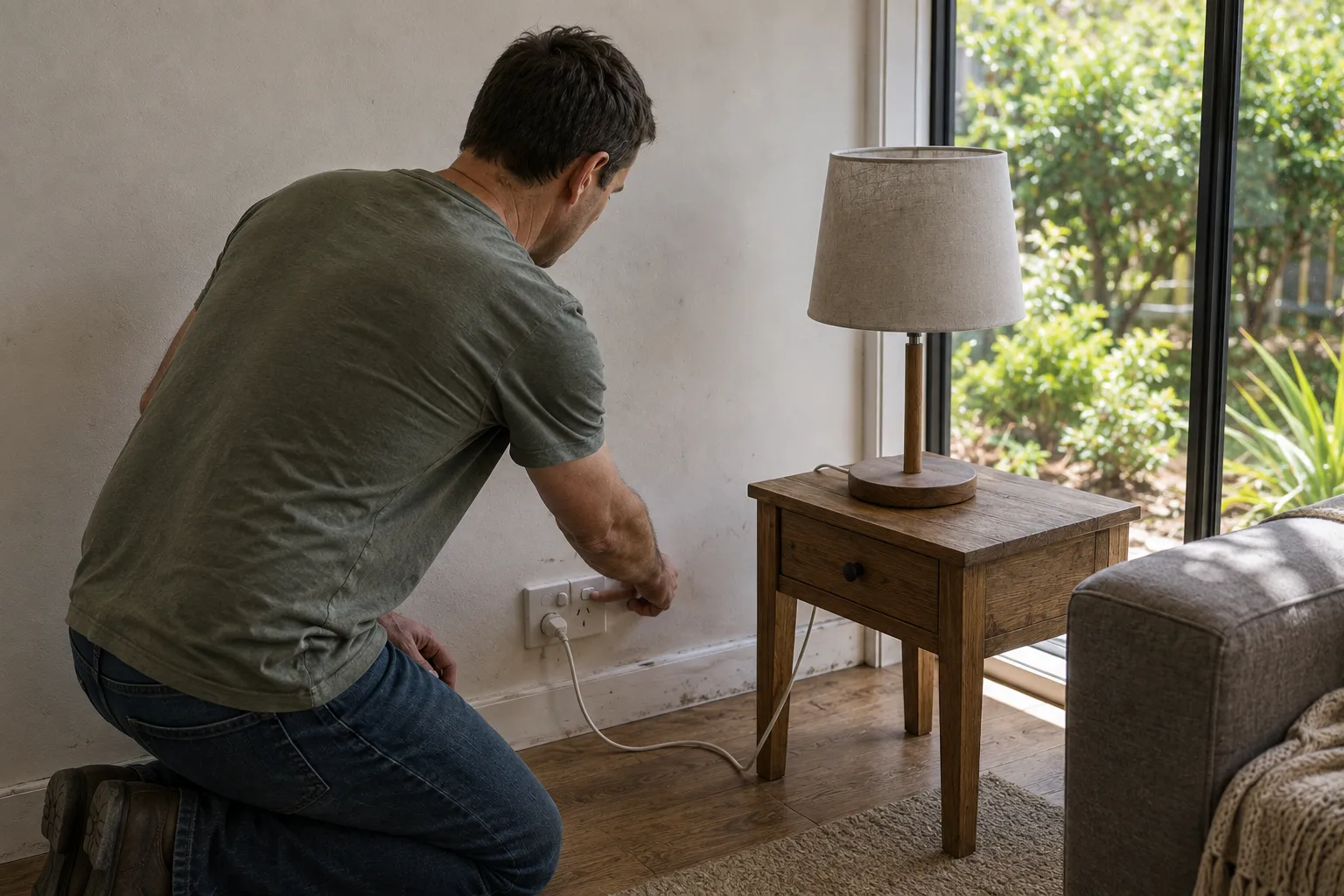
Power points and light switches should never feel hot to the touch. Slight warmth from a heavily used power board may occur in some situations, but a hot outlet, switch plate or plug is a warning sign. It can indicate poor contact inside the fitting, loose wiring or a circuit struggling under load.
A faint burning smell with no obvious source should also be treated seriously. Overheating wiring can produce a plastic-like or fishy odour, particularly near outlets, light fittings, appliances or the switchboard. If the smell appears when a particular appliance is used and fades once it is turned off, the appliance or its circuit may need urgent checking.
Safety switches and circuit breakers are designed to trip when they detect a fault. Occasional tripping during a storm or when too many high-demand appliances are used at once can happen, but repeated tripping on the same circuit is not normal.
If a safety switch trips every time a certain appliance is plugged in, the appliance may be faulty or drawing more current than the circuit can safely supply. If tripping occurs without a clear pattern, the cause may be deteriorating cabling, moisture in fittings or insulation damage hidden in walls, ceilings or roof spaces. Resetting the switch repeatedly without investigation only masks the problem.
Quiet electrical systems should not buzz, crackle or hum. Audible noise from a power point, switch, downlight or switchboard may indicate loose terminals, damaged components or electrical arcing. Even small arcs generate intense heat in a concentrated area, which can create a fire risk.
Visible signs such as scorch marks, discoloured switch plates or tiny sparks when plugs are inserted or removed show that connections are failing. These are not cosmetic issues. They are often early indicators of faults that can lead to melted fittings, damaged wiring or fire if ignored.
Minor electrical faults rarely stay isolated forever. A loose connection, overloaded circuit or moisture-affected fitting can continue to deteriorate every time the circuit is used. As the fault worsens, it places extra strain on wiring, switches, power points, appliances and protective devices.
This is why prompt repair is not only about convenience. It helps limit damage to the electrical system and prevents a manageable issue from becoming a larger and more expensive problem.
Many electrical problems begin with poor connections. A slightly loose terminal in a switch or power point creates electrical resistance, which produces heat each time power flows through the circuit. At first, this may only cause a faintly warm faceplate, occasional flicker or soft buzzing sound.
Over time, repeated heating and cooling can harden or crack the insulation around wiring. Screws may loosen further, the connection may degrade and surrounding fittings can begin to show visible damage. What starts as a minor loose joint may develop into:
The circuit may still appear to work, which is why the danger is often underestimated. By the time a burning smell appears or the breaker begins tripping frequently, the fault may already have caused significant internal damage.
Power fluctuations are often dismissed as an inconvenience, but they can place repeated stress on appliances and electronic devices. Flickering lights, brief power dips or irregular supply can indicate an overloaded circuit, deteriorating cable joint or loose connection.
Over time, this instability can:
The final repair often costs far more than the original fault would have. Instead of replacing one fitting or repairing one connection, the work may involve testing the circuit, replacing damaged cabling or assessing appliance damage caused by poor supply quality.
Electrical issues around bathrooms, laundries, kitchens, outdoor areas and coastal properties can worsen quickly when moisture is involved. A cracked exterior power point, poorly sealed fitting or ageing outdoor connection can allow water or damp air into electrical components.
Moisture gradually corrodes terminals and metal parts. Corroded connections become more resistive, which creates heat and weakens the circuit further. Safety switches may begin to trip intermittently, particularly during wet weather, and this is often mistaken for a minor weather-related nuisance.
In damp or exposed areas, what starts as a small defect can become a broader repair involving fittings, cabling and multiple circuits. Early attention is especially important where moisture and electricity may be interacting.
Delayed electrical repairs can create serious hazards for the people living in the home. Warning signs such as warm outlets, burning smells, sparks or repeated tripping are often symptoms of unsafe wiring, overheating circuits or failing protective devices.
Electrical faults are not always visible, which makes them easy to underestimate. Damage may be occurring inside walls, ceilings, roof spaces, switchboards or appliances long before a major failure occurs.
Loose connections, worn insulation and overloaded circuits can all convert electrical energy into heat. If that heat continues to build, it can damage fittings, char surrounding materials and eventually ignite nearby timber, dust or insulation.
Hot or discoloured power points, light switches and appliance plugs are common signs that wiring or fittings are running too hot. A burning smell near outlets, light fittings or the switchboard may indicate insulation breakdown. These faults should be addressed quickly because fire risk increases the longer overheating continues.
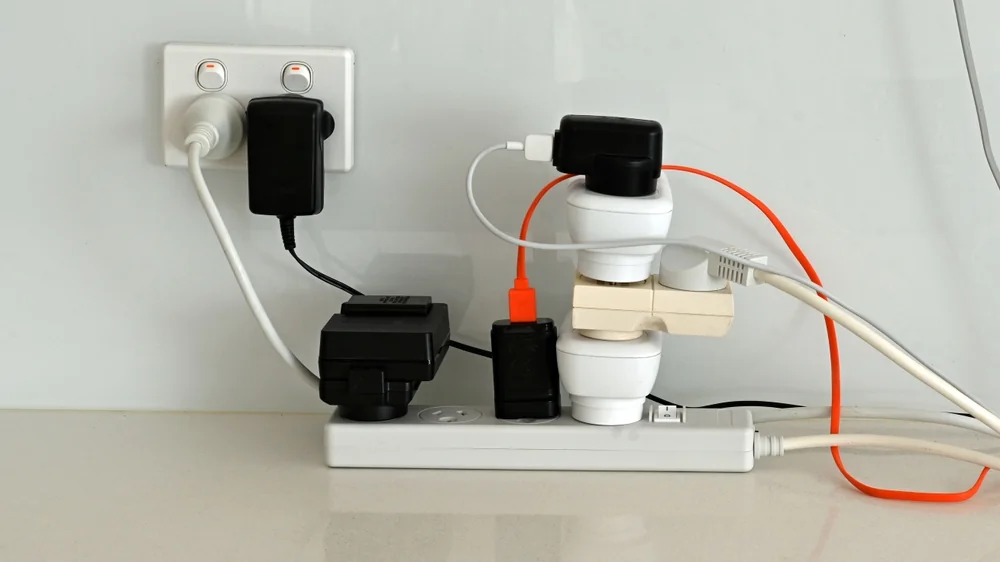
Overloaded power boards and double adaptors can also contribute to fire risk. Plugging multiple high-demand appliances into one outlet can force wiring and fittings to operate beyond their intended load. This is especially risky in older homes where the electrical system may not have been designed for modern appliance use.
Faulty electrical systems can expose occupants to serious shock hazards. Cracked outlets, loose switches, damaged cords and exposed conductors may leave live parts insufficiently protected. Children, elderly occupants and anyone handling damaged fittings or appliances may be placed at greater risk.
Water increases the danger significantly. Bathrooms, kitchens, laundries and outdoor areas need correct protection because moisture can allow electricity to travel through surfaces, fittings or appliances. If safety switches are missing, faulty or not operating correctly, a small fault can become life-threatening.
Some electrical faults develop in areas homeowners cannot easily inspect. Rodents may chew cables in roof spaces or under floors, leaving wiring partially exposed while the circuit continues to function. Heat damage may also occur behind power points, inside walls or around light fittings before any obvious external sign appears.
Intermittent power, unusual sounds from fittings, unexplained tripping or a burning smell can all point to hidden damage. Ignoring these symptoms gives the fault more time to spread and increases the chance of a dangerous failure.
Putting off electrical repairs may seem like a way to save money in the short term, but delay often leads to higher costs later. Small faults can damage nearby fittings, cabling, appliances and switchboard components, turning a simple repair into a more involved job.
Electrical problems also tend to create disruption when they finally fail. A circuit that could have been repaired during a planned visit may instead require urgent attendance, replacement parts, testing and possible rewiring after damage has already occurred.
Many electrical issues begin with one failing component. A loose connection at a power point may overheat and melt the fitting. If the wiring behind the wall is damaged, the job can grow from a simple outlet replacement into rewiring, plaster repairs and repainting.
A deteriorating light fitting can also place stress on the circuit and cause repeated tripping. If ignored, the problem may damage cabling or protective devices, requiring more work than the original repair. Early investigation helps identify the fault before it affects other parts of the system.
Poor electrical supply can damage appliances and electronics over time. Televisions, computers, air conditioners, fridges, ovens and LED lighting can all be affected by unstable power, overheating circuits or repeated tripping.
When appliances start failing, homeowners may replace the appliance without realising the underlying electrical issue is still present. This can lead to repeated costs until the circuit itself is properly tested and repaired.
Delaying electrical repairs can also create financial complications after an incident. If a fire or electrical fault occurs and there are signs of long-term neglect, an insurer may question whether reasonable maintenance was carried out. This can complicate the claims process, especially where previous warning signs were ignored.
Older homes may also have outdated switchboards, old cabling or limited safety switch protection. When a licensed electrician investigates a known fault, they may identify additional work required to make the installation safer or compliant. Addressing minor issues early can reduce the risk of a larger compliance-related repair later.
Knowing when to involve a licensed electrician is critical. Some electrical warning signs indicate an immediate safety risk, while others suggest the system may be outdated, overloaded or no longer suited to the demands of the household.
This is especially relevant in older Central Coast homes, where original wiring, limited power points and older switchboards may be placed under pressure by modern appliances, air conditioning, home offices and outdoor electrical use.
Some symptoms should not be monitored or ignored. A licensed electrician should be contacted promptly if there is:
If any of these occur, the affected circuit should be turned off at the switchboard if it is safe to do so. The outlet, fitting or appliance should not be used again until it has been inspected and cleared.
Not every electrical issue is an emergency, but some signs suggest the system may need assessment or upgrading. These include:
A licensed electrician can assess whether the home needs additional circuits, more outlets, switchboard upgrades or improved safety switch protection. This can make the system safer and better suited to modern household demand.
Fixed electrical work should always be completed by a licensed electrician. DIY electrical work is dangerous and may affect insurance, compliance and property safety.
Professional electrical work is required for:
Using a licensed electrician helps ensure the work is completed safely, tested properly and supported by the correct compliance documentation.
Delaying electrical repairs can allow small faults to become serious safety and cost issues. Flickering lights, warm outlets, burning smells, repeated tripping and buzzing fittings are often signs of deeper problems within the wiring, switchboard or connected appliances. Addressing these issues early helps reduce the risk of fire, electric shock, appliance damage and more extensive repair work later.
For Central Coast homeowners, prompt attention from a licensed electrician helps keep the electrical system safer, compliant and better suited to the demands of modern household use. Early repairs are usually simpler, less disruptive and more cost-effective than waiting until a minor fault becomes an urgent electrical problem.