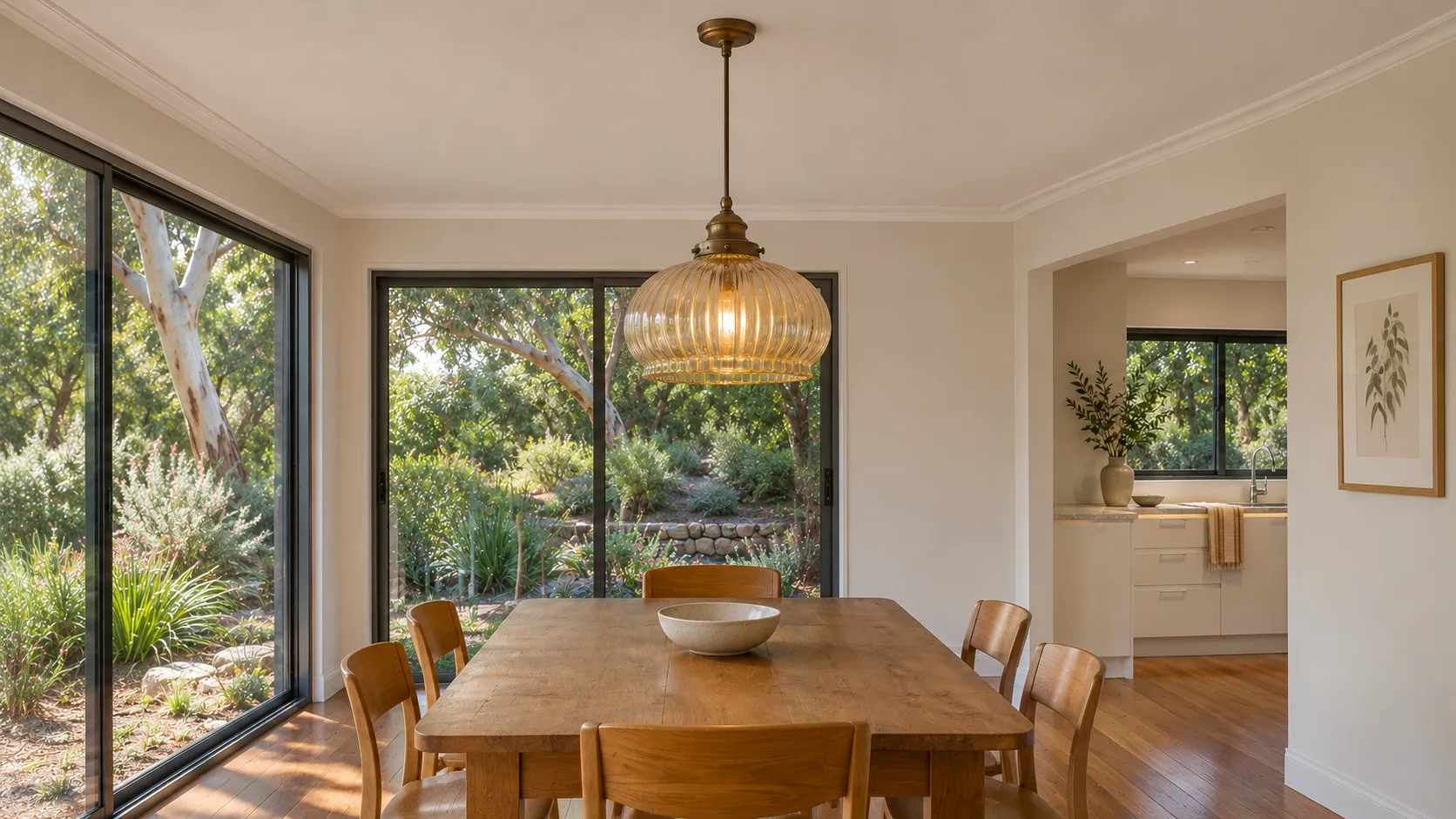
An original pendant or much-loved chandelier can give a renovated room something a new purchase cannot: a connection to the home's history or your own. You may want to keep its glass shade, distinctive metalwork or familiar glow even as everything around it changes. Reusing an old fitting can be worthwhile, but its appearance is only one part of the decision.
Before reusing old light fittings, establish if they are electrically suitable, if refurbishment is practical and if they will still light the renovated space effectively. For your North Shore renovation, Hudson Electrical (Level Electrical) can assess the electrical considerations involved, allowing you to compare your options without losing sight of what makes the original fitting worth keeping.
A light fitting can look preserved while its electrical components have deteriorated. Equally, a tarnished exterior does not automatically mean the whole fitting needs replacing. Decorative condition and electrical condition require separate consideration.
The fact that a light worked before your renovation does not establish that it is suitable for removal, relocation or continued use. Its age, repair history and previous installation conditions can all affect its suitability. A licensed electrician should assess the fitting before you commit to reinstalling it.
Glass, ceramic and metal decorative elements can outlast the parts that carry electricity. An intact shade may conceal a damaged lampholder, while a polished body may hide deteriorated insulation or previous alterations. Cleaning the outside does not resolve these issues.
The physical condition still matters. Cracked glass, loose decorative sections, damaged suspension points or excessive weight can affect whether a fitting can be installed appropriately. If the renovation changes the ceiling or the fitting's position, its mounting and support arrangements need assessment too. A new location is not necessarily equivalent to the old one.
Tell the electrician what you know about the fitting, including whether it was previously installed, stored for years or acquired second-hand. Mention flickering, intermittent operation, unusual heat or discolouration rather than treating these as harmless quirks of age. These observations help inform the assessment, although they cannot establish whether the fitting is safe to reuse.
Depending on the fitting's construction, an electrician may need to assess internal wiring, insulation, connections, lampholders and the protection provided to accessible metal parts. Some fittings require an earth connection to protect against electric shock if an electrical fault occurs, while others use different protection arrangements based on their design and classification. An apparently missing earth connection does not tell you enough to determine whether a fitting is suitable.
Previous repairs also deserve attention. Components may have been changed without preserving the original arrangement, or a replacement part may not suit the fitting's heat exposure and intended use. Vintage light fitting safety depends on the complete assembly, not simply whether a new lamp can be screwed into it.
Leave dismantling, testing and electrical repairs to a professional. For broader context on warning signs and professional assessment, read these electrical safety considerations for homeowners.
When speaking with an electrician in North Shore, ask what the assessment covers and what remains uncertain until the fitting has been inspected. A useful assessment distinguishes the condition of the fitting from the condition of the wiring supplying it, since checking one does not establish the suitability of the other.
Refurbishment is a feasibility decision before it is a design decision. You need to know whether suitable parts exist, whether the finished fitting can be assessed for its intended use and how much original material can realistically remain.
Make clear which features matter most to you. Keeping the original shade may be enough, or the value may lie in preserving the complete silhouette, suspension and decorative details. Those priorities help an expert explain the options without promising an outcome before inspection.
Ask which components appear reusable and which may need replacement. A lampholder that physically fits is not necessarily suitable for the fitting's construction, operating temperature or intended lamp. Likewise, replacement wiring and connections need to suit the assembly rather than simply fit inside it.
Older fittings can have unusual dimensions or components that are difficult to source. A missing part may require more investigation than an obviously worn one. Ask whether compatible components are readily available, availability needs confirming and any proposed substitution changes how the fitting can be used.
Also, ask who would undertake each part of the work. Electrical assessment and reconnection belong with a licensed electrician, while delicate glass, finishes or decorative metalwork may require a suitable restoration specialist. Do not assume an electrical contractor also provides antique restoration. Note what assessment is appropriate and if specialist input would be needed for your specific fitting.
Before agreeing to refurbishment, clarify whether the fitting can be safely dismantled and reassembled, what testing will be completed before installation and whether any limitations will remain. Request separate costs for assessment, electrical work and specialist restoration where applicable. This makes it easier to compare the estimated refurbishment cost against replacement, particularly if sourcing compatible components proves difficult.
If the fitting cannot be fully assessed until it has been removed, ask how further findings will be communicated before additional work proceeds. These considerations when arranging electrical services can help you frame questions about scope and quotations.
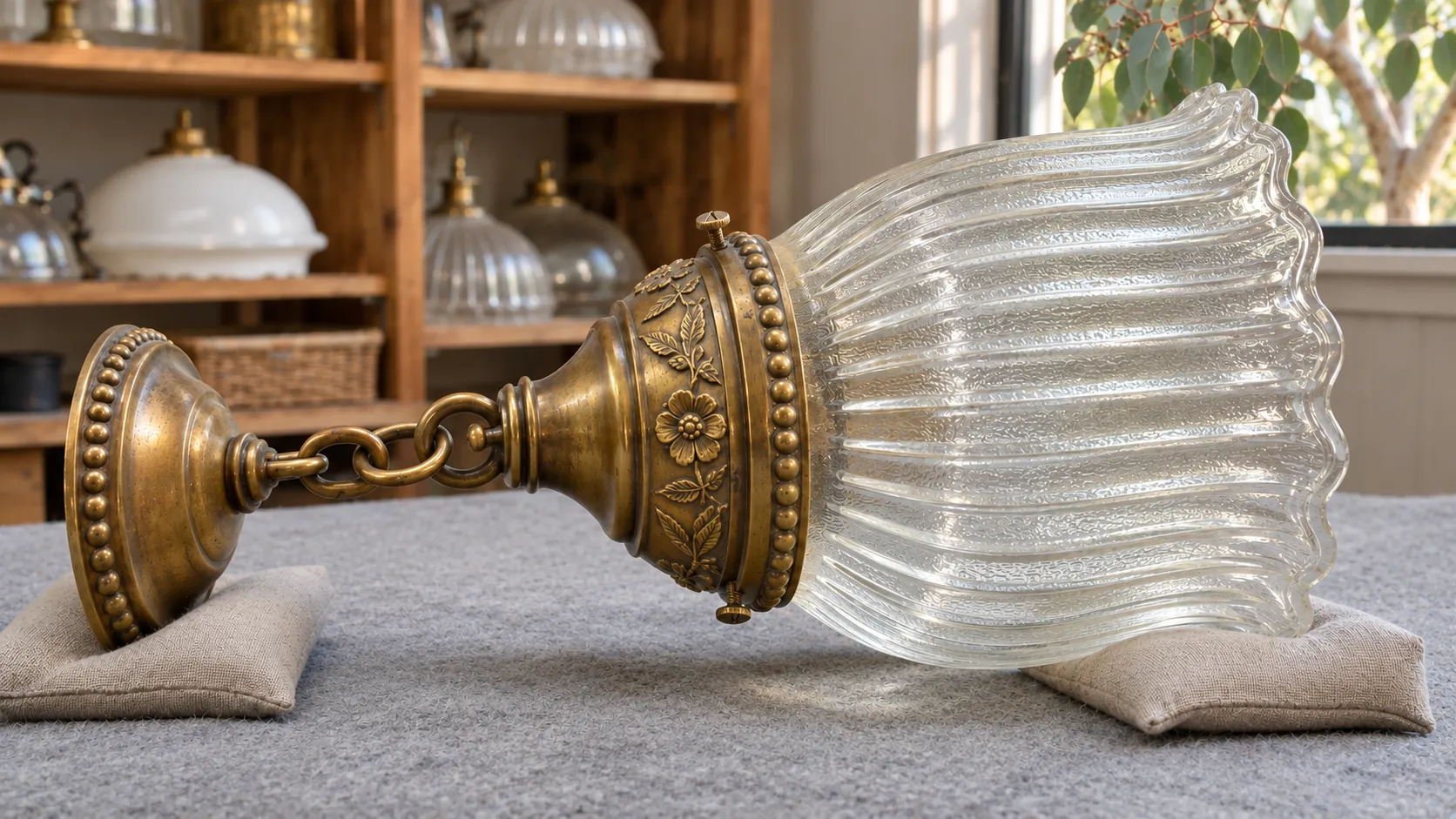
Replacement components may alter visible proportions. A different lampholder could change how far a lamp sits below a shade, while a new ceiling canopy or suspension arrangement could affect the overall look. These changes may be minor electrically but important visually.
Ask which original surfaces and decorative pieces can remain untouched. If preserving a patina or finish matters, say so before cleaning or restoration is discussed. You should also clarify whether the proposed work involves electrical refurbishment only or includes cosmetic restoration, since those are different tasks.
Refurbishment is not always practical. Extensive damage, incompatible parts or changes that undermine the fitting's character may make replacement the more sensible choice. Before authorising work, ask what result is reasonably achievable, what limitations would remain and whether the proposed scope protects the features you actually want to preserve.
A fitting can be suitable for reuse yet no longer provide the lighting your room needs. Renovations can change furniture positions, work surfaces and how you move through a space, leaving an original central light doing a job it was never designed to do.
Treat the fitting's visual role and lighting role as separate decisions. You might keep a feature pendant while adding carefully positioned supporting lights, or choose a replacement that carries the same character without copying every detail.
Start by describing what you will do in the room. Reading, preparing food and sharing a meal call for different light placement and control. A decorative fitting that creates atmosphere may leave work surfaces in shadow or produce uncomfortable brightness when viewed from a seated position.
Consider three lighting roles:
The shade's shape matters as much as the lamp. Opaque shades tend to direct light, while some glass shades spread it more widely or leave the light source visible. Keeping the original shade may preserve the appearance without providing the broad illumination you expected.
Supplementary lighting can allow the old fitting to remain a focal point without carrying the whole room. Depending on the space, an electrician can discuss task lighting, wall lights or other supporting sources. In a kitchen, for example, a decorative pendant over the dining area could work alongside positioned task lighting over the benchtops. Their placement should respond to the activities and surfaces that need illumination rather than simply adding more fittings wherever space is available. Hudson Electrical can discuss LED lighting installation options for supporting lights that complement the retained fitting and illuminate the areas you use most.
Ceiling height and furniture arrangement also influence where a fitting should sit. A pendant positioned too low may obstruct sightlines or create glare, while one that hangs too high may lose some of its visual impact. Consider its position in relation to dining tables, kitchen islands, seating areas and walkways before finalising the installation.
Discuss lighting controls at the same time. Separate switching can let you use the decorative fitting for atmosphere and supporting lights for practical tasks. If dimming is proposed, compatibility needs checking across the lamps, fitting and control equipment. Do not assume a lamp described as dimmable will work satisfactorily with any existing dimmer.
If the original cannot reasonably be reused, identify what gives it its appeal before shopping for a replacement. It may be the proportions, the texture of the glass, the metal finish or the way it hangs over a table. Preserving those qualities can produce a more convincing result than choosing something merely labelled as vintage.
Check the scale against the renovated room and furniture layout. A fitting that looked balanced in a smaller, enclosed space may feel undersized after walls or furnishings change. Suspension height also affects sightlines, glare and how the fitting relates to the room.
Compare replacement options by their appearance and practical limitations. Ask about light distribution, suitable lamps, cleaning access and future component replacement. The Australian Government’s guidance on energy-efficient lighting options can also help you compare lamp choices and consider how lighting controls affect everyday use. If the original's main value lies in its shade or decorative body, ask whether that element could be professionally incorporated into a suitable assembly. That possibility still needs assessment rather than an assumption that old and new parts will be compatible.
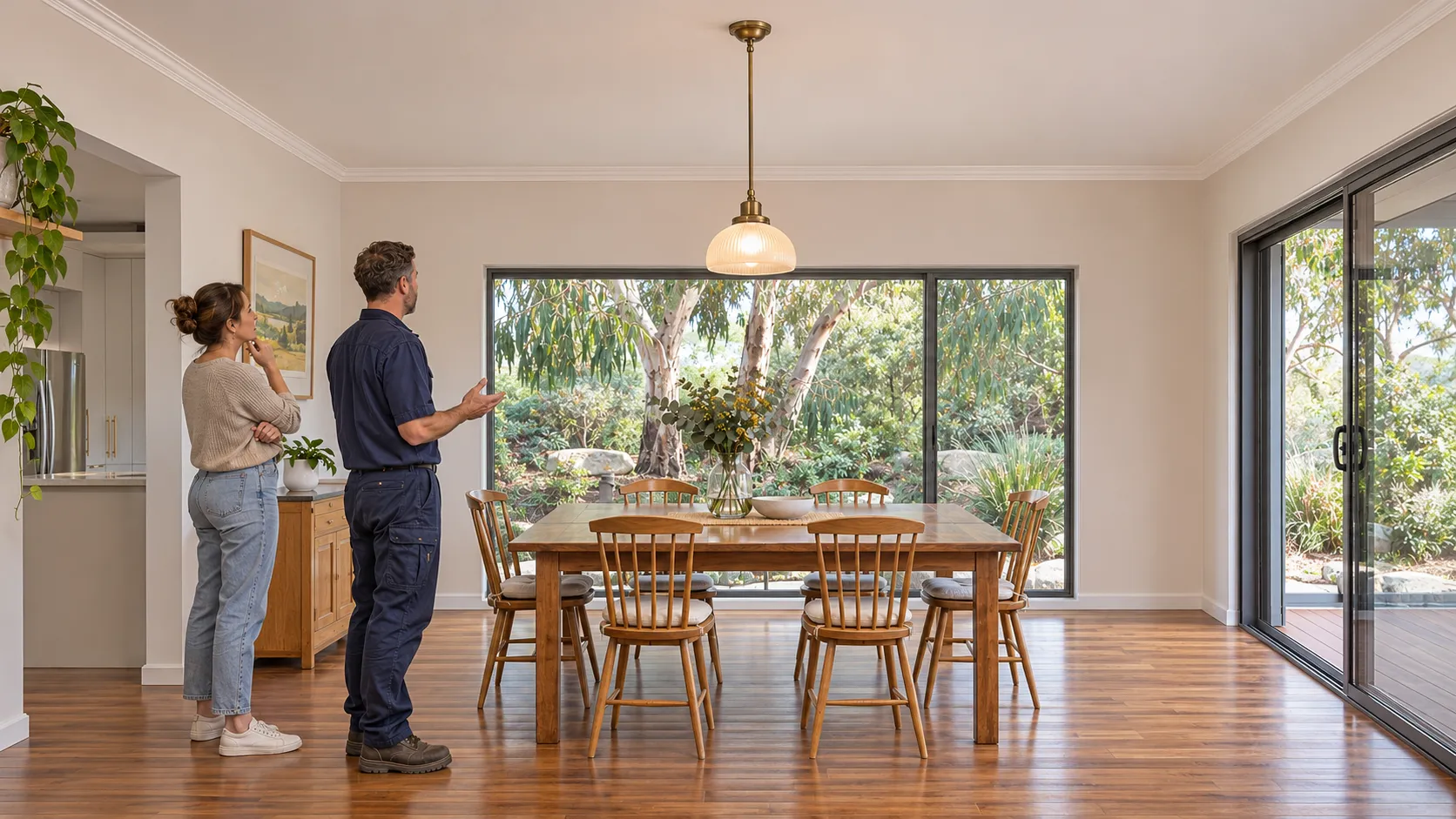
Reusing an old light fitting can preserve an important decorative feature while giving a renovated room a sense of character. However, its age, electrical condition, mounting requirements and lighting performance all need to be considered before it is reinstalled.
If you are planning to retain an original pendant or chandelier, Hudson Electrical (Level Electrical) can help assess its electrical suitability and discuss the installation requirements. Combining professional advice with appropriate restoration and lighting choices makes it easier to preserve the features you value without overlooking the practical needs of your renovated home.