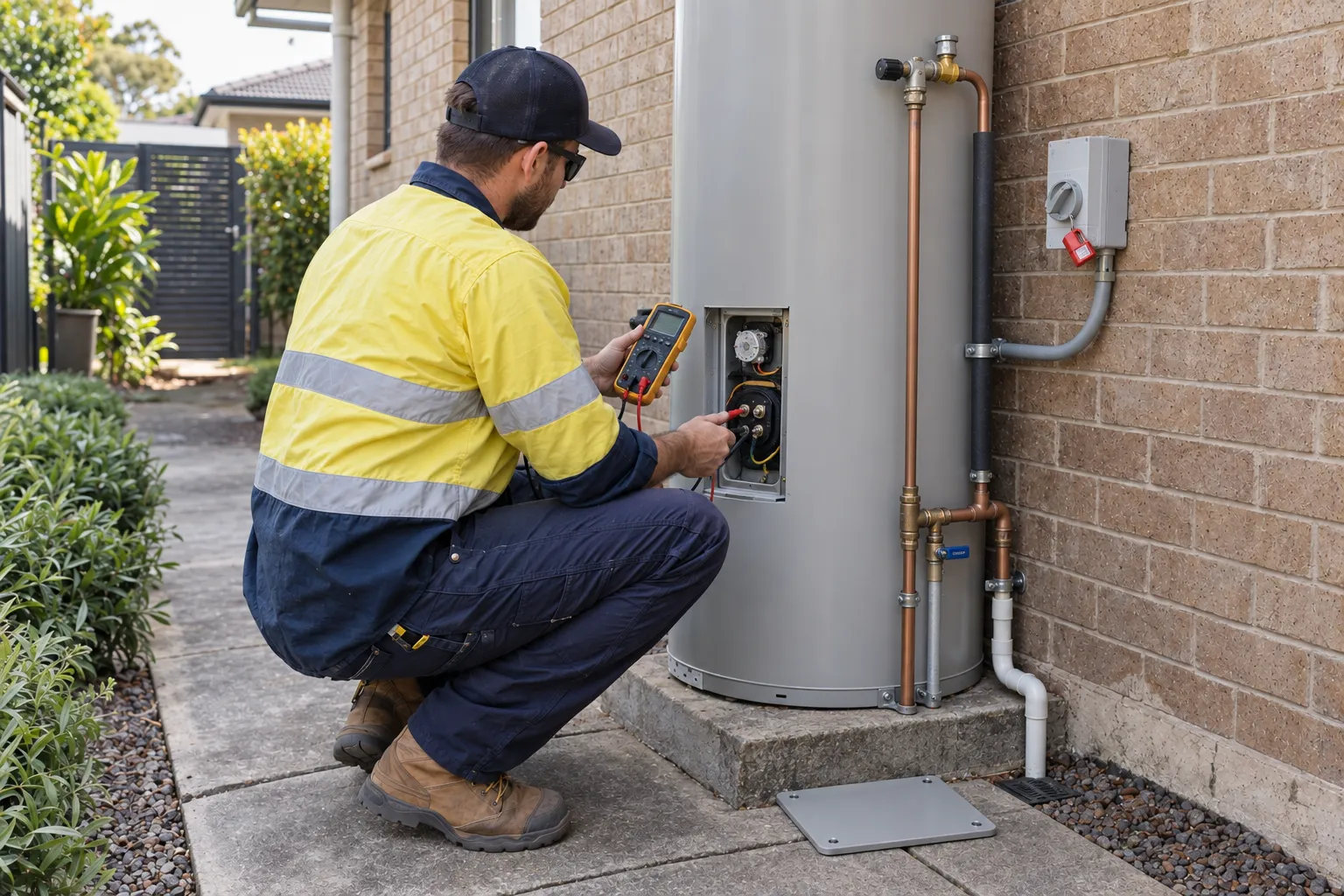
When an electric hot water system suddenly stops heating, cold showers and disrupted routines can quickly become a problem. For homeowners searching for an electrician in Central Coast, identifying the cause early can help prevent further damage and restore hot water sooner.
Common causes include power supply faults, tripped safety devices, failed heating elements, faulty thermostats and problems with wiring or electrical controls. Some issues may be simple to identify, while others require electrical testing to determine the underlying fault.
Hudson Electrical (Level Electrical) can help assess electrical faults affecting electric hot water systems and determine when a plumber may also be required. Knowing the warning signs and safe checks can make it easier to arrange the right repair and avoid unnecessary component replacements.
When an electric hot water system stops producing hot water, the cause may involve the power supply, heating element, thermostat or another electrical component. The symptoms can help indicate whether the system has lost power completely or is still heating but not reaching the required temperature.
In some cases, the system may produce lukewarm water rather than failing. This can occur when a heating component is no longer operating correctly or when the system is not receiving power for its normal heating cycle.
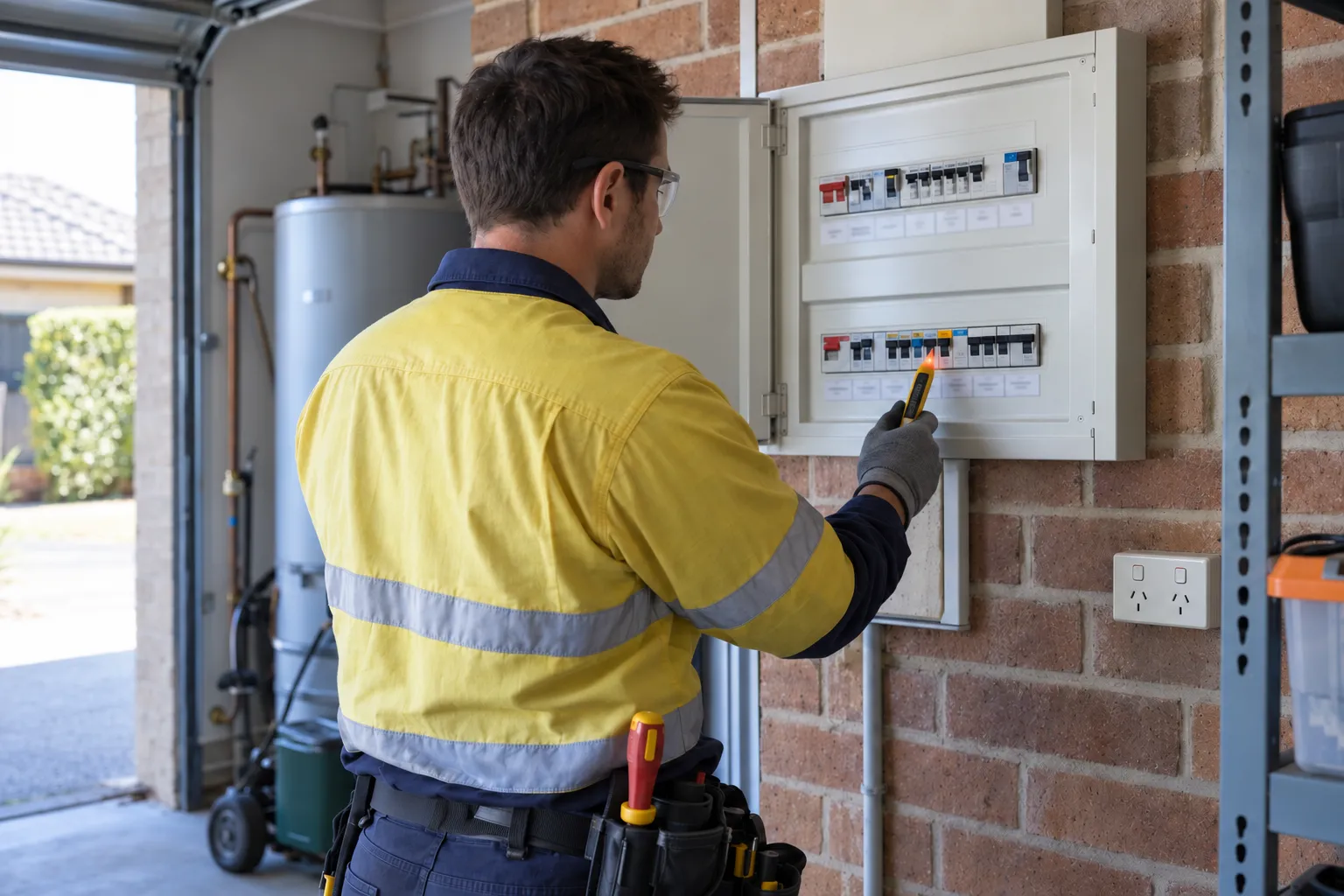
A lack of hot water can occur when the system is no longer receiving power. Electric storage systems usually operate on a dedicated circuit and may use an off-peak or controlled-load supply.
A tripped circuit breaker, blown fuse, faulty timer or controlled-load relay can prevent the heater from operating. A breaker that trips once can be reset, but repeated tripping may indicate a fault with the element, wiring or another electrical component and should be investigated by a licensed electrician.
Homeowners experiencing repeated interruptions can learn more about why a circuit breaker keeps tripping, including when the problem may involve an overloaded circuit, faulty appliance or damaged wiring.
The heating element is responsible for warming the water inside an electric storage system. Age, corrosion and scale buildup can cause the element to deteriorate or fail.
A failed element can leave the system producing cold water even when the power switch is on. In systems with multiple elements, one failed element may instead result in less hot water or a much shorter supply.
The thermostat controls when the heating element switches on and off. A faulty thermostat may prevent normal heating or cause the element to switch off before the water reaches the required temperature.
Here are some signs:
A thermostat that has been incorrectly adjusted can also result in water that is not hot enough for normal household use. Electrical testing can help determine whether the thermostat, heating element or another component is responsible.
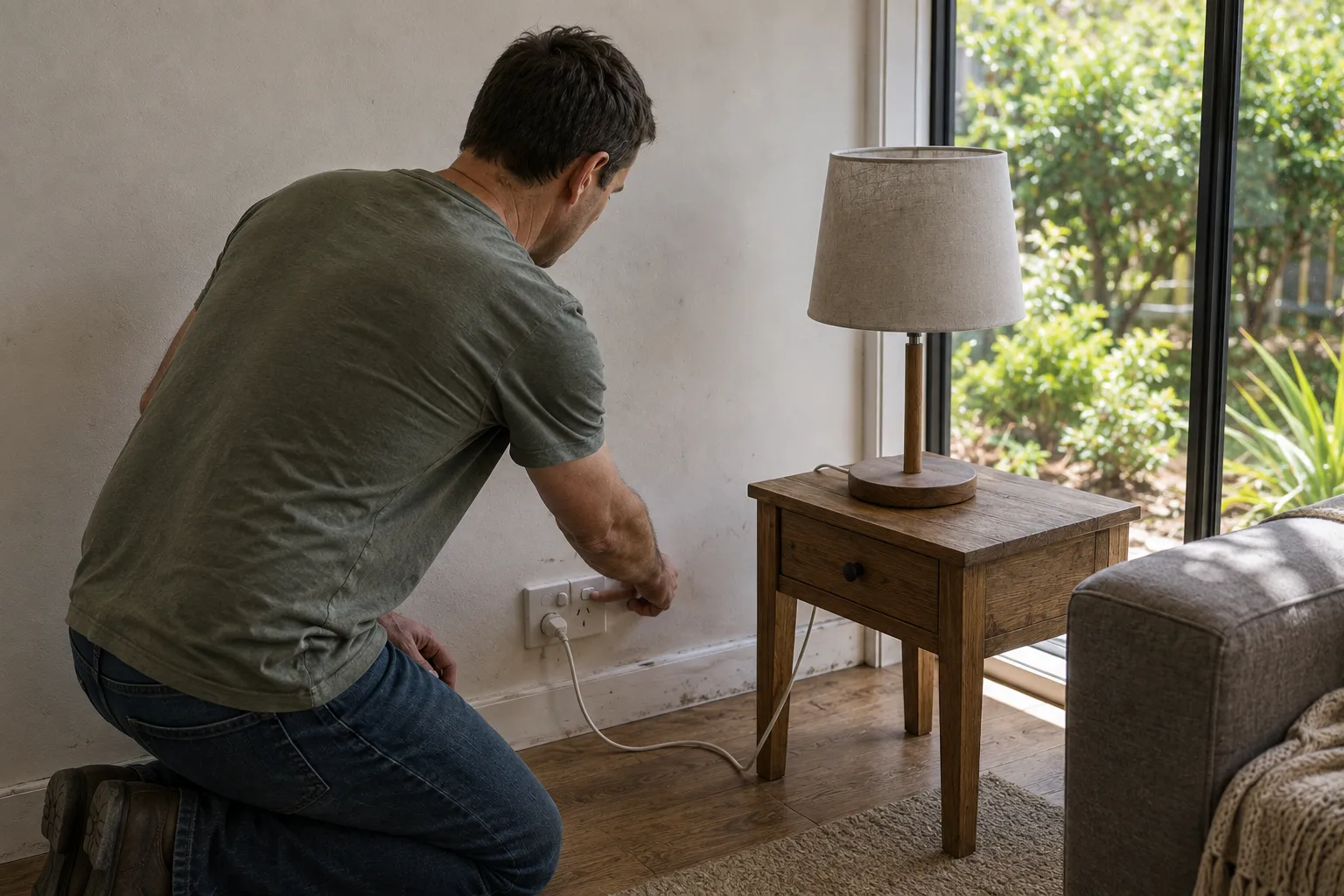
An electric hot water system may stop heating because of a simple power interruption rather than a major component failure. A few visual checks can help identify basic problems before arranging professional assistance.
If there is burning, exposed wiring, a strong electrical smell or water near electrical components, the system should not be touched. Power should be switched off at the main switchboard and an electrician contacted.
NSW Government guidance states that electrical work must be completed by a licensed electrician, so homeowners should not remove covers, test internal wiring or attempt to replace electrical components themselves.
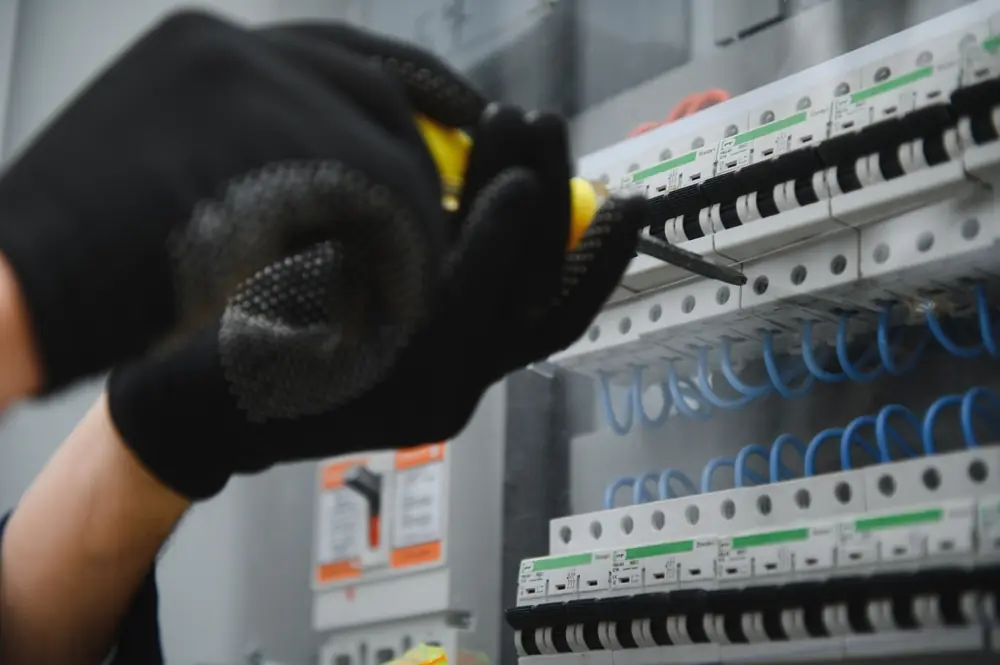
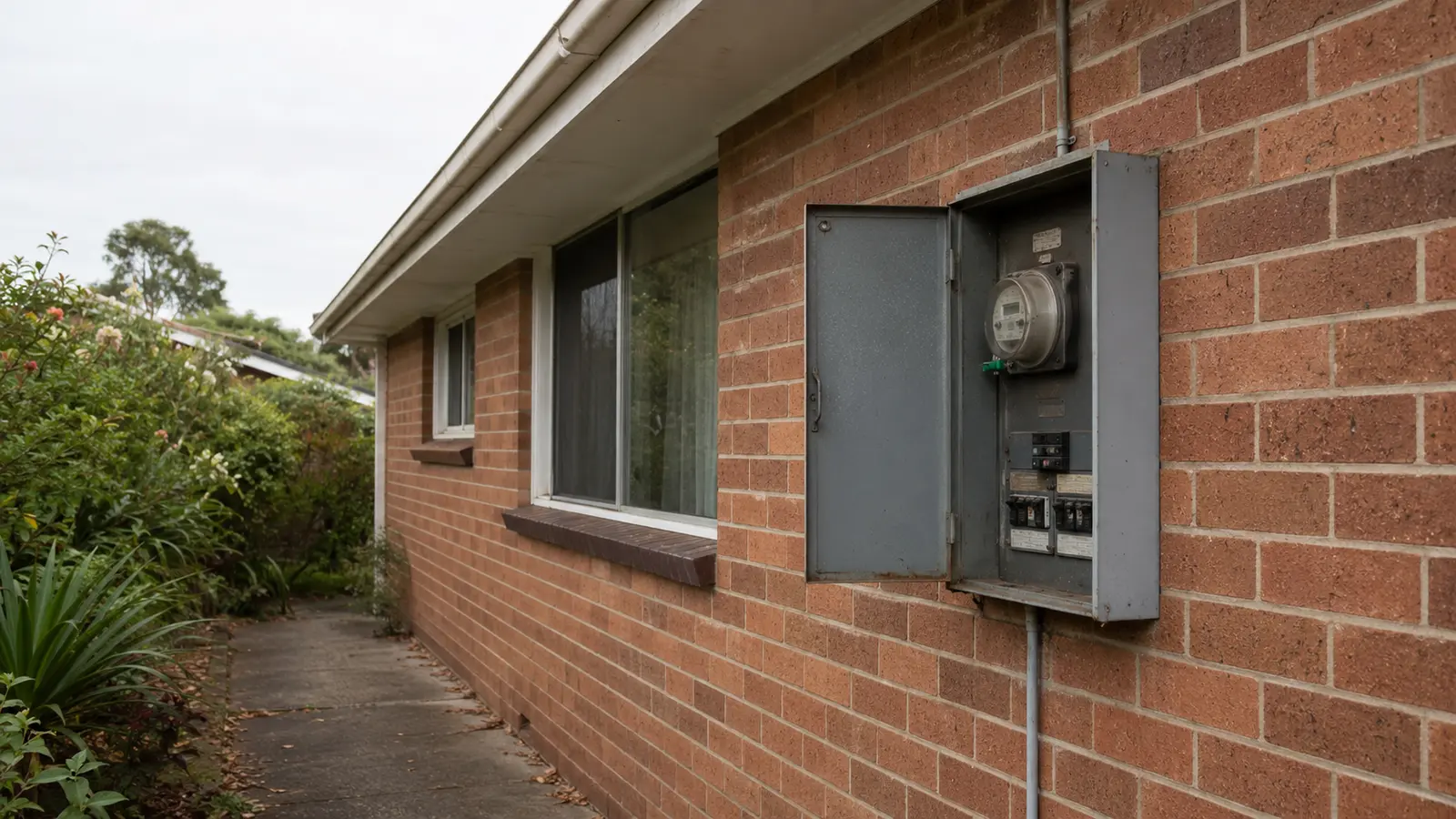
Check the switchboard for the circuit breaker or fuse labelled Hot Water or HWS. If a breaker has tripped, it can be reset once. If it trips again, it should be left off rather than repeatedly reset, as this may indicate an electrical fault.
For systems using off-peak or controlled-load electricity, the relevant circuit or supply also needs to be operating. The isolating switch near the hot water unit should be in the ON position if one is fitted.
f the hot water system has stopped working alongside certain lights, outlets or appliances, check what to do when only part of the home has lost power, as the problem may be limited to one circuit.
Only user-accessible switches and controls should be checked. Covers and panels should never be removed to inspect internal electrical components.
Testing hot taps can help determine whether the system has stopped heating completely or has simply run out of stored hot water. If one tap is affected while others work normally, the problem may be with the individual tap or mixer rather than the hot water system.
The area around the cylinder should also be checked for obvious leaks or pooling water. Constant water discharge, a wet area around the base or visible corrosion can indicate a plumbing fault that requires attention from a plumber.
When an electric hot water system stops heating, the symptoms can often indicate whether the problem is electrical or related to the tank and plumbing. Power supply, wiring, thermostats and heating elements require an electrician, while leaks, valves and pipework are usually handled by a plumber.
An electrician is the right first call when there is no obvious leak but the system is not heating properly. Common signs include:
Electrical covers should not be removed and internal components should not be tested or repaired as a DIY task.
A plumber is usually required when the problem involves water, pipework or the storage cylinder. Signs could be the following:
A plumber can inspect the tank, valves and pipework and determine whether a component needs repair or replacement.
Some faults may require both trades. For example, a leaking cylinder may need plumbing repairs while damaged electrical components require attention from an electrician. For system upgrades or relocation, the plumber and electrician may also need to coordinate the pipework, electrical circuit and isolation requirements.
An electric storage hot water system typically takes around 2 to 6 hours to heat a full tank, although the actual time depends on the tank size, heating element, incoming water temperature and how much hot water has been used. Smaller tanks recover faster, while larger tanks can take longer.
After heavy use, a temporary lack of hot water does not necessarily indicate a fault. The system needs time to heat the incoming cold water and systems operating on off-peak or controlled-load electricity may only heat during scheduled periods.
Systems connected to a restricted or off-peak electricity tariff may only operate during certain supply periods, meaning the tank may not begin reheating immediately after hot water is used.
If the water remains cold or lukewarm after sufficient heating time, or recovery is noticeably slower than usual, there may be a problem with the heating system or electrical controls. A professional can test the relevant components and determine whether the system is operating correctly.
When an electric storage hot water system runs out of heated water, the hot taps will produce lukewarm and then cold water. This is common after heavy household use and does not necessarily mean the system has failed.
Once the stored hot water is used, cold water enters the tank and the heating element needs time to bring it back to temperature. Recovery depends on the tank size, heating element and electricity supply.
Running out of hot water is usually normal when:
Running out of hot water may indicate a fault when:
If these signs occur, an electrician can test the heating and electrical components. A plumber may be required if there are also leaks, valve problems or other issues with the tank and pipework.
Yes. A faulty thermostat can prevent an electric hot water system from heating the water properly because it controls when the heating element switches on and off. If it shuts the element off too early, the water may remain lukewarm or the available hot water may run out much sooner than usual.
Common signs of a thermostat fault include inconsistent water temperatures, lukewarm water despite sufficient heating time or a system that stops heating altogether. Thermostats can become unreliable due to age, normal wear, electrical faults or incorrect settings. A triggered safety cut-out can also interrupt heating if the system overheats.
Because similar symptoms can be caused by other electrical faults, testing is needed to confirm the cause. Experts can test the thermostat, heating element and power supply to determine whether the thermostat requires replacement or another component is responsible.
Yes. A tripped circuit breaker or safety switch can stop an electric hot water system from heating by cutting power to the heating circuit. The system may still appear switched on, but no new hot water will be produced until power is restored and the tank has had enough time to reheat.
A single trip can be reset at the switchboard. However, repeated tripping may indicate a fault with the heating element, thermostat, wiring or another electrical component. A safety switch repeatedly cutting power can also indicate electrical leakage, including from a deteriorating heating element or damaged wiring.
If the breaker or safety switch trips again after being reset, it should not be repeatedly switched back on. Leaving the affected circuit off and arranging an electrician to test the hot water system can help identify the cause and prevent further electrical damage.
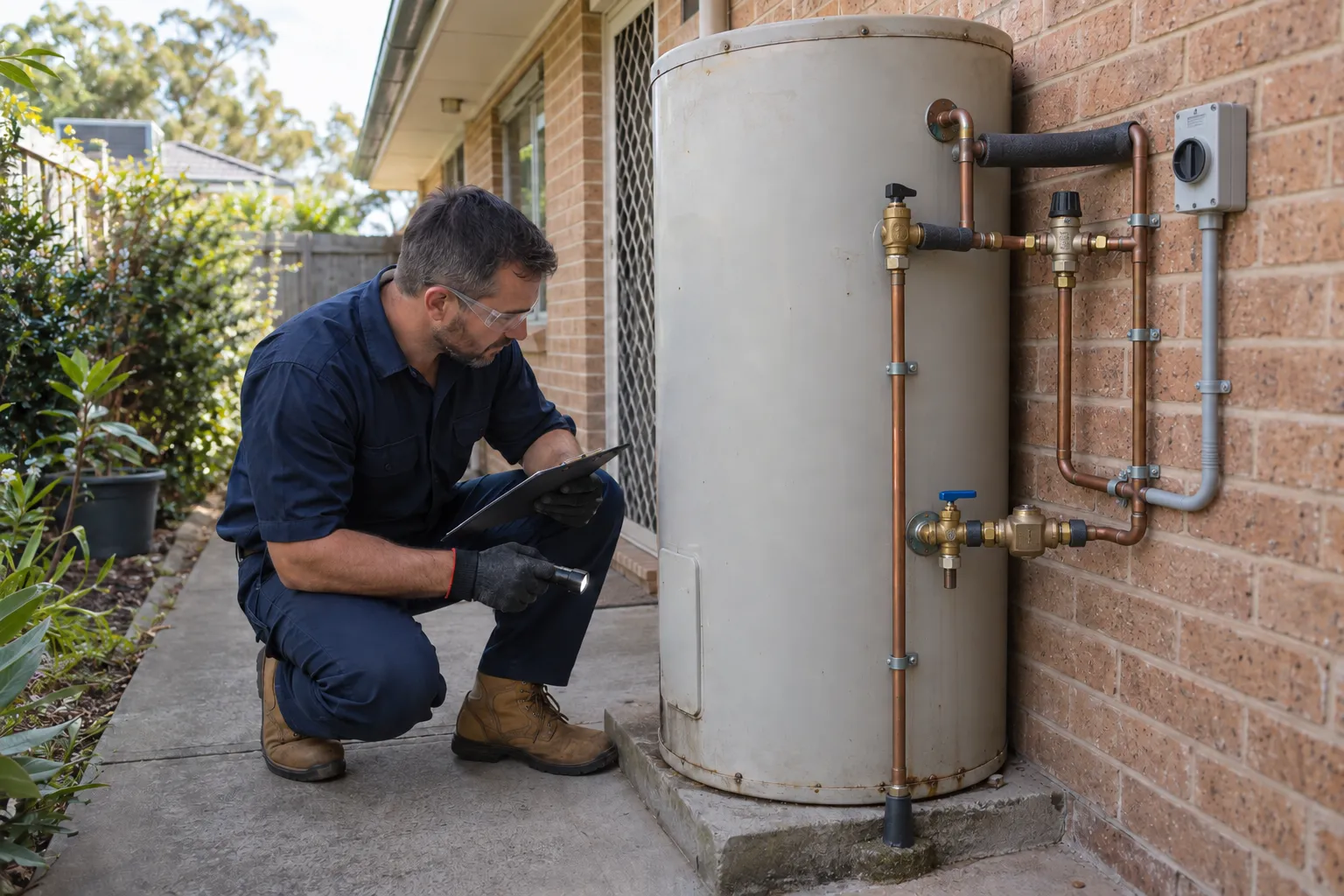
An electric hot water system does not always need to be replaced when it stops heating. A failed thermostat, heating element, wiring connection or other individual component can often be repaired, particularly when the system is relatively modern and the tank is in good condition.
Replacement may be more appropriate when the cylinder is ageing, badly corroded or experiencing repeated faults. The condition of the tank, frequency of breakdowns and likely repair costs all need to be considered.
A repair may be suitable when:
Replacement may be more suitable when:
A leaking or heavily corroded cylinder generally cannot be fixed by replacing electrical components. When replacement is required, the electrician and plumber may need to assess the electrical circuit, pipework, valves and installation point to ensure the new system is suitable and compliant.
The cost of repairing an electric hot water system depends on the fault, the parts required and the amount of testing or labour involved. A simple power or control problem may require minimal work, while a failed heating element, thermostat or damaged wiring can require component replacement and further electrical testing.
The main factors that can affect the final repair cost include:
A reliable repair price is difficult to provide before the fault has been diagnosed. An electrician can test the power supply, heating element, thermostat and electrical controls to determine the required repair. If there are leaks, corrosion or damaged pipework, a plumber may also need to assess the system.
For older systems with multiple faults or tank deterioration, replacement may be more practical than continuing to repair individual components. The condition and age of the unit should be considered alongside the expected repair cost before a decision is made.
Regular checks and early attention to changes in performance can help reduce the risk of an electric hot water system suddenly stopping heating. While component failures can still occur as a system ages, warning signs can often be addressed before they lead to a complete loss of hot water.
The following checks can help maintain reliable operation:
Regular electrical and plumbing checks can help identify developing problems before they result in a complete loss of hot water. Internal electrical components should only be inspected or repaired by a licensed electrician, while leaks and cylinder problems may require a plumber.
When an electric hot water system stops heating, the cause may be a power supply fault, faulty thermostat or heating element, leaking valve, or ageing component. Recognising changes such as inconsistent temperatures, unusual noises, discoloured water or a complete loss of hot water can help identify problems early and avoid unnecessary repairs or replacement.
Prompt attention can also reduce the risk of electrical or water damage and help determine whether an electrician or plumber is required. Hudson Electrical (Level Electrical) can test and diagnose electrical faults affecting hot water systems, helping restore reliable hot water safely and in line with Australian requirements.