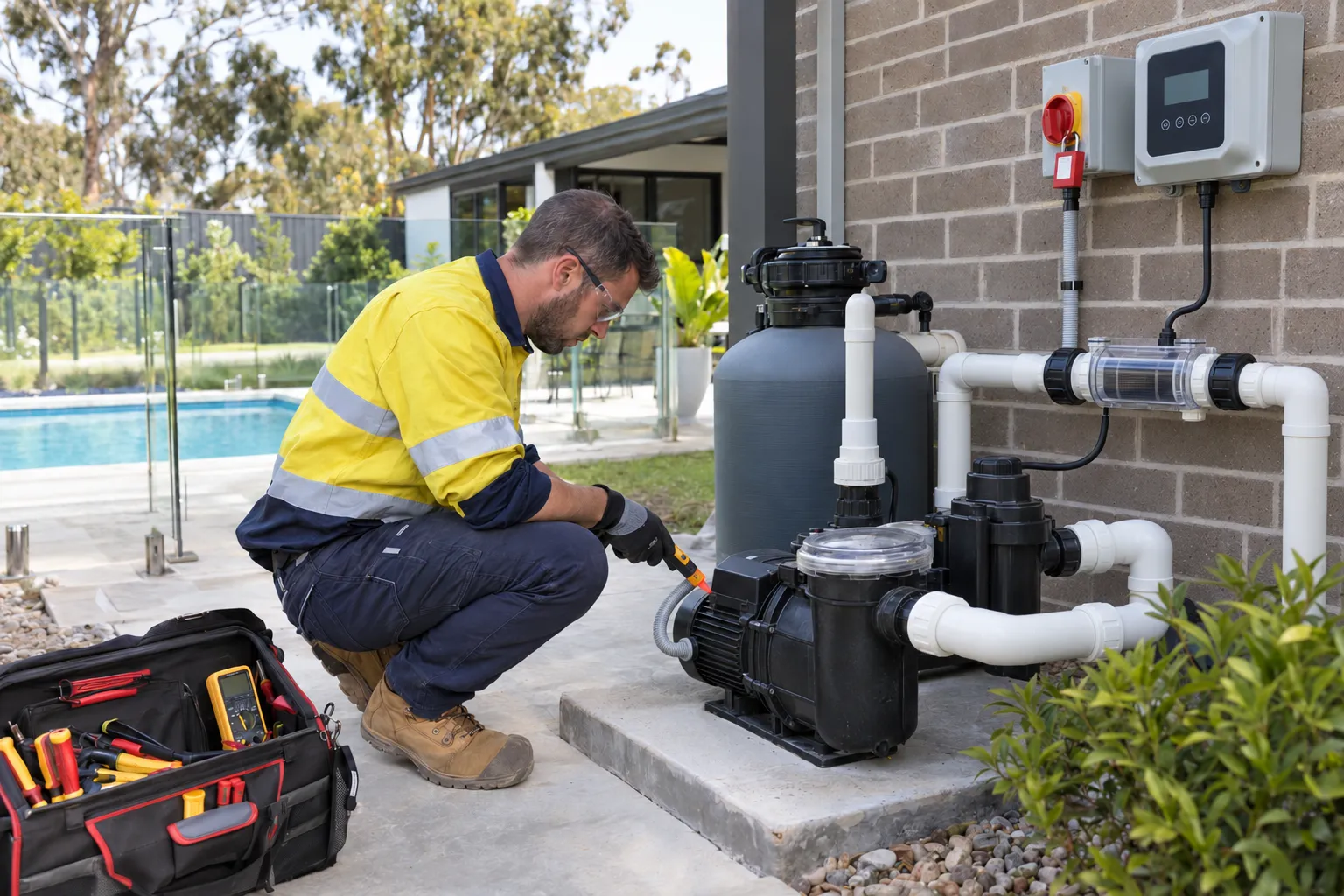
A pool pump that keeps tripping the safety switch can affect water quality, strain equipment and indicate an underlying fault. The cause may range from restricted water flow and moisture to damaged wiring or a failing motor, making repeated trips worth investigating rather than continually resetting the switch.
Hudson Electrical (Level Electrical) helps identify pool pump electrical faults and determine whether the issue is with the pump, wiring, connections or protective devices. Finding the cause early can help prevent further damage and keep the pool system operating safely.
For homeowners looking for an electrician in Central Coast, knowing the common causes of repeated tripping and the warning signs to watch for can make it easier to identify when basic checks are no longer enough and professional electrical testing is needed.
A pool pump that repeatedly trips the safety switch usually has an electrical or mechanical issue that needs to be identified. The safety switch is designed to cut power when it detects an electrical fault, so repeated trips should not be considered normal pool operation.
Several issues can cause a pool pump to trip, ranging from blocked filters and restricted water flow to moisture, damaged wiring and motor faults. The timing of the trip can also provide clues about where the problem may be coming from.
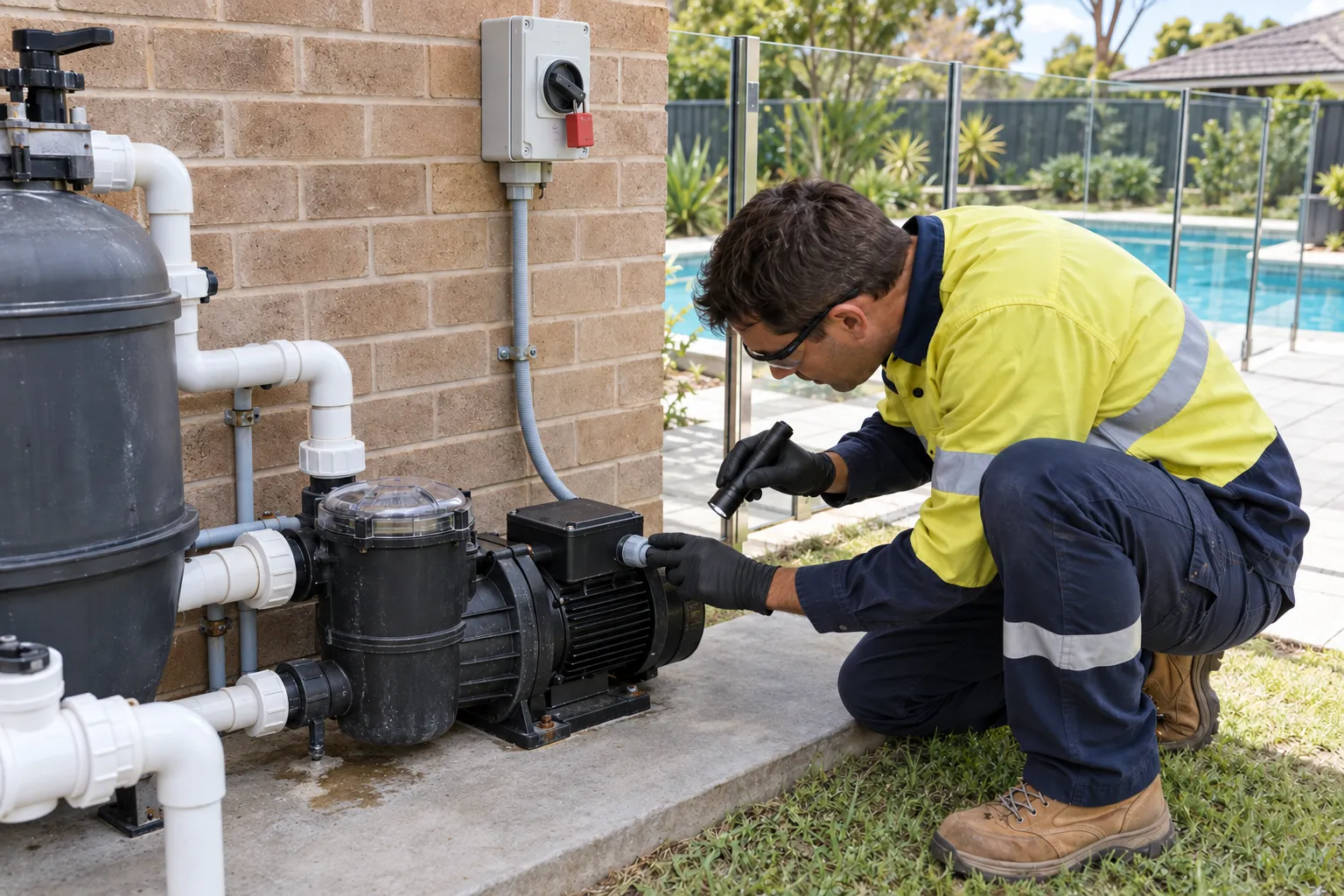
Water reaching the pump motor, electrical connections, isolation switch or power point can cause current to leak to earth and trip the safety switch. Damaged seals, cracked housings and exposed outdoor wiring can increase the risk of moisture-related faults.
A failing motor may trip the safety switch because of damaged windings, a faulty capacitor, overheating or other internal faults. Humming, unusual noises, difficulty starting or tripping shortly after the pump begins running can indicate a motor problem.
A clogged filter, pump basket or skimmer can force the pump to work harder than normal. Restricted water flow increases strain on the motor and can contribute to overheating and repeated tripping.
Deteriorated insulation, loose terminals or damaged cables can create electrical faults that cause the safety switch to disconnect the power. Heat, moisture, sunlight and pool chemicals can contribute to the deterioration of outdoor electrical components over time.
If the pool pump shares a circuit with other high-load equipment, the combined electrical demand may cause the circuit protection to trip. Pool heaters, chlorinators, spa pumps and other equipment operating at the same time can increase the load.
A timer, chlorinator, heater or another connected appliance may be responsible if the safety switch only trips when that equipment starts. A consistent pattern based on the pump's operating schedule can help identify whether another part of the pool system is involved.
The timing of the trip can provide an additional clue. Immediate trips may point towards an electrical or motor fault, while trips after several minutes may indicate overheating or excessive load. Persistent tripping should not be managed by repeatedly resetting the safety switch if there are signs of water, heat damage or faulty wiring.
When a safety switch or circuit breaker keeps tripping, a few basic checks can help determine whether the pool pump is responsible or whether another part of the circuit is involved. These checks should only involve accessible switches and visible equipment. Electrical covers, wiring and internal components should not be opened.
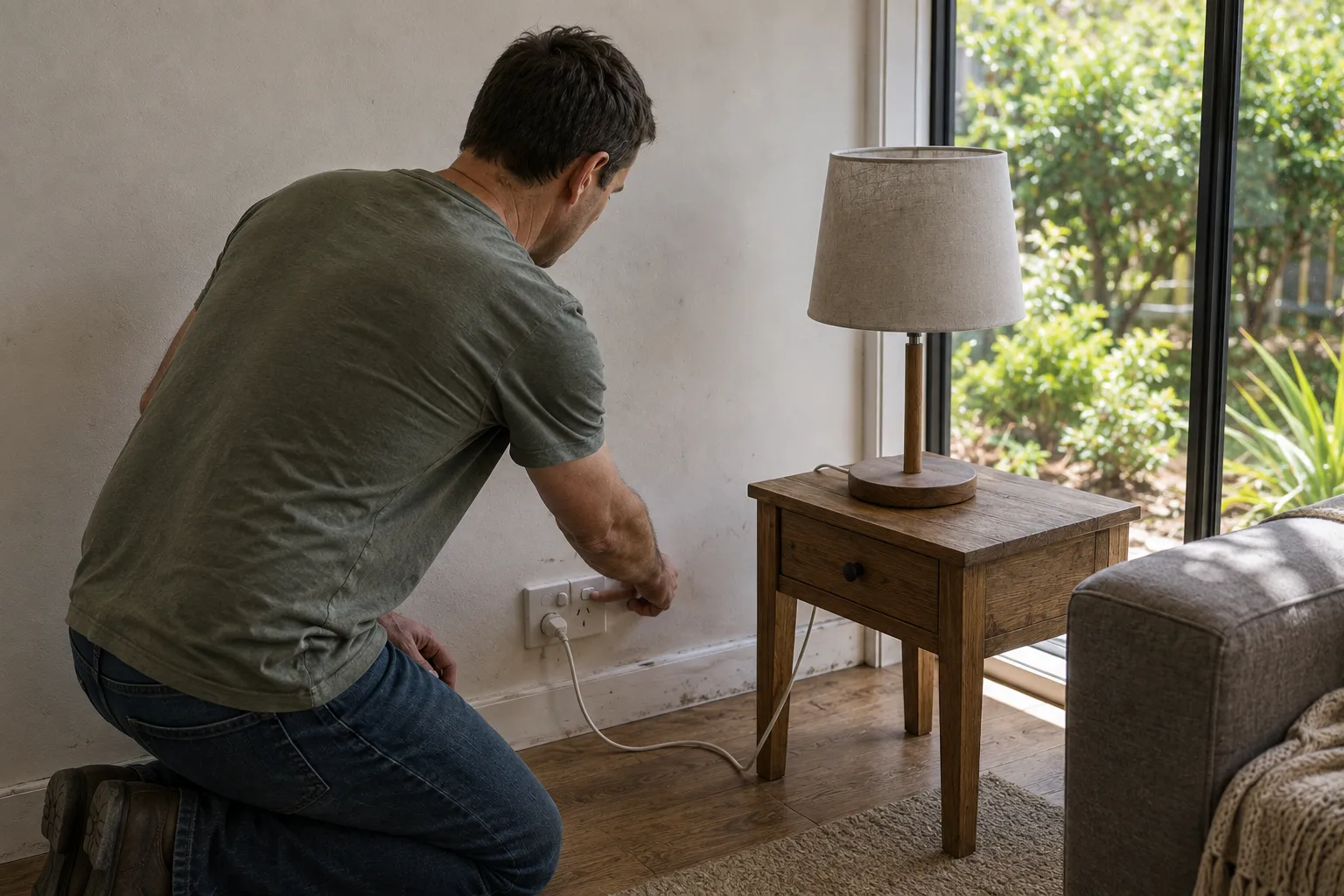
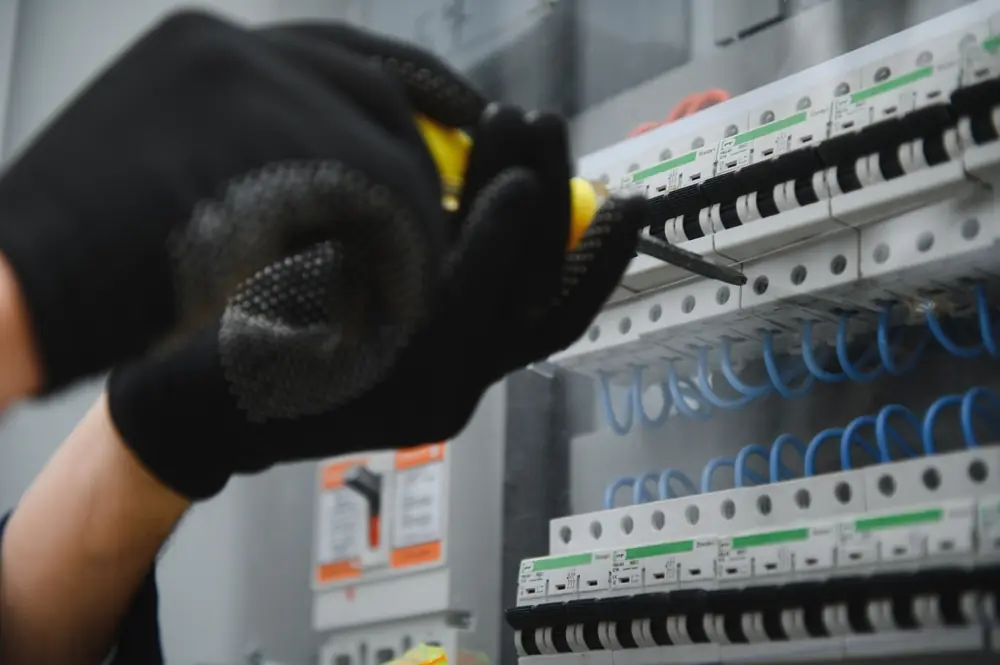
Check the switchboard to see whether the tripping device is a safety switch, circuit breaker or combined RCBO. A safety switch trip can indicate earth leakage, while a circuit breaker trip may point to an overload or short circuit.
According to NSW electrical safety guidance, safety switches are also known as residual current devices and help protect against current leaking through a person to earth.
The device can be reset once by switching it fully OFF before returning it to ON. If it trips again as soon as the pump starts, the pump or its circuit may be involved.
For a broader explanation of overloads, short circuits and wiring faults, Hudson Electrical’s guide explains why circuit breakers keep tripping and which warning signs require professional attention.
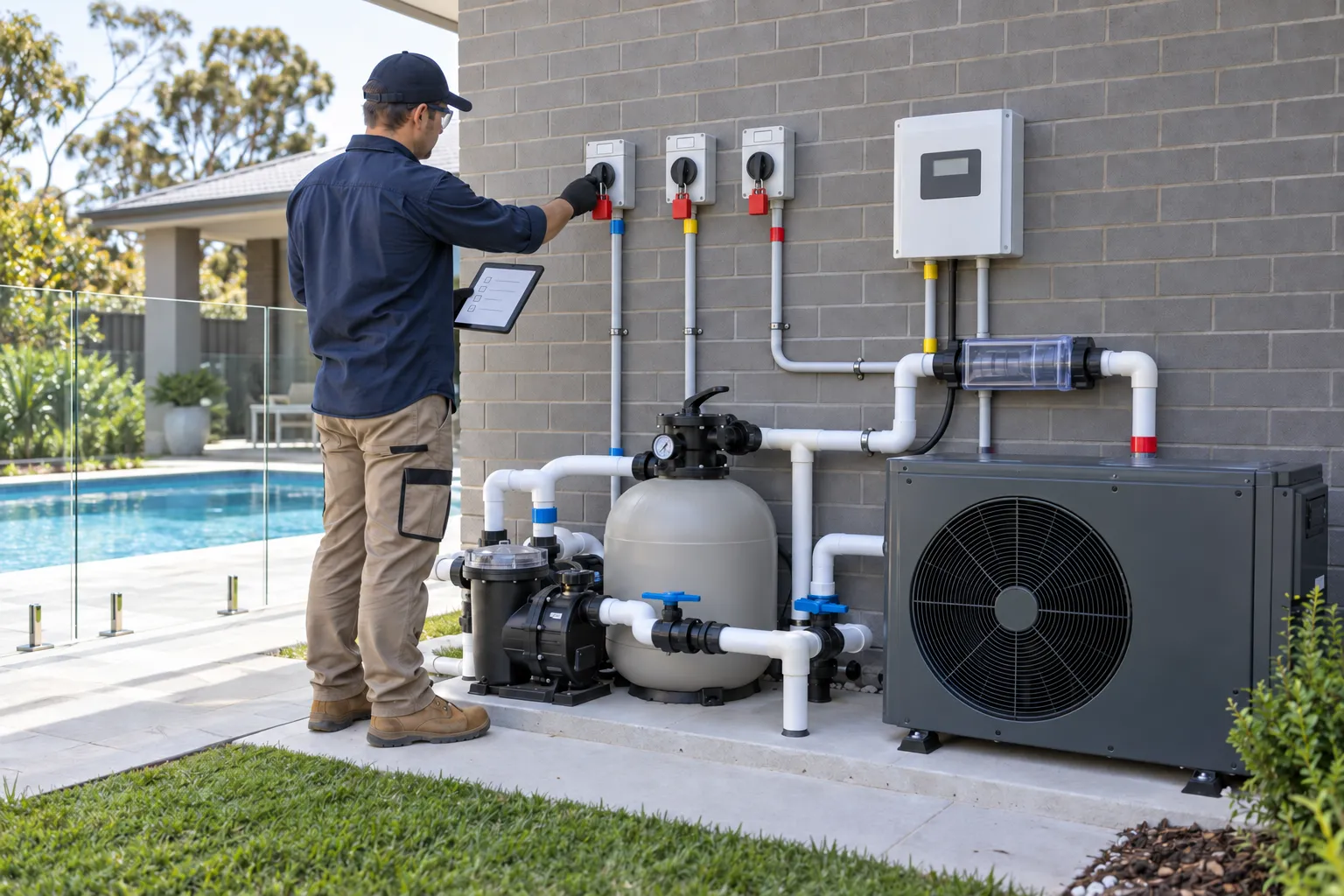
Pool systems can include several electrical appliances, such as heaters, chlorinators, lights and spa pumps. Where these are controlled by accessible switches, they can be turned off before testing the main pump.
A visual inspection can reveal maintenance or moisture issues without touching electrical components. Look for:
The pump should remain switched off if there is visible water, heat damage or exposed wiring. If basic checks do not identify the cause, repeated resetting should be avoided and a licensed electrician should be contacted to test the pump and circuit.
Yes, a faulty pool pump motor can cause the safety switch to trip repeatedly. Motor faults can affect how the pump starts, runs and handles electrical load, as components wear with age.
Signs that the motor may be contributing to the problem include:
If the pump continues to trip after blockages and other basic maintenance issues have been addressed, the motor may require electrical testing. An electrician can check for insulation faults, excessive current draw and other electrical issues and determine whether repair or replacement is appropriate.
Yes, water or moisture can cause a pool pump to trip the safety switch if it reaches electrical components or creates a path for current to leak to earth. Rain, splashing, humidity and pool chemicals can contribute to moisture-related faults, particularly where seals, cable entries, conduit or pump housings have deteriorated.
Signs of possible water ingress include standing water around the pump, damp electrical components, corrosion, damaged insulation, cracked conduit or leaks near the motor. A pump that trips more often after rain, cleaning or other exposure to water may also indicate a moisture-related fault.
Pool equipment installed in coastal areas may face additional exposure to corrosion and damp conditions, making it helpful to understand how salt air and moisture cause power faults.
If water is present near electrical equipment, the pump should remain switched off rather than repeatedly resetting the safety switch. Drying the surrounding area does not confirm that moisture has not entered internal components, so persistent tripping should be assessed by a licensed electrician.
Yes, a blocked or overworked pool pump can cause the safety switch or circuit protection to trip. Restricted water flow makes the motor work harder, increasing heat and electrical load. Common causes include a clogged pump or skimmer basket, a dirty filter, blocked suction lines or partially closed valves.
Australian Government pool pump guidance also recommends regularly cleaning pump and skimmer baskets, maintaining the filter and keeping intake grates clear of debris to reduce the pump’s workload.
A pump that runs for several minutes before tripping may be overheating or struggling under load. Reduced water flow, unusual humming, changes in operating noise or a higher-than-usual filter pressure reading can indicate that the pump is working harder than normal.
Cleaning the pump and skimmer baskets, checking the filter and ensuring the relevant valves are open can help restore normal operation. If the pump continues to trip after these checks, it should remain switched off and be assessed by a professional to determine whether an electrical or motor fault is involved.
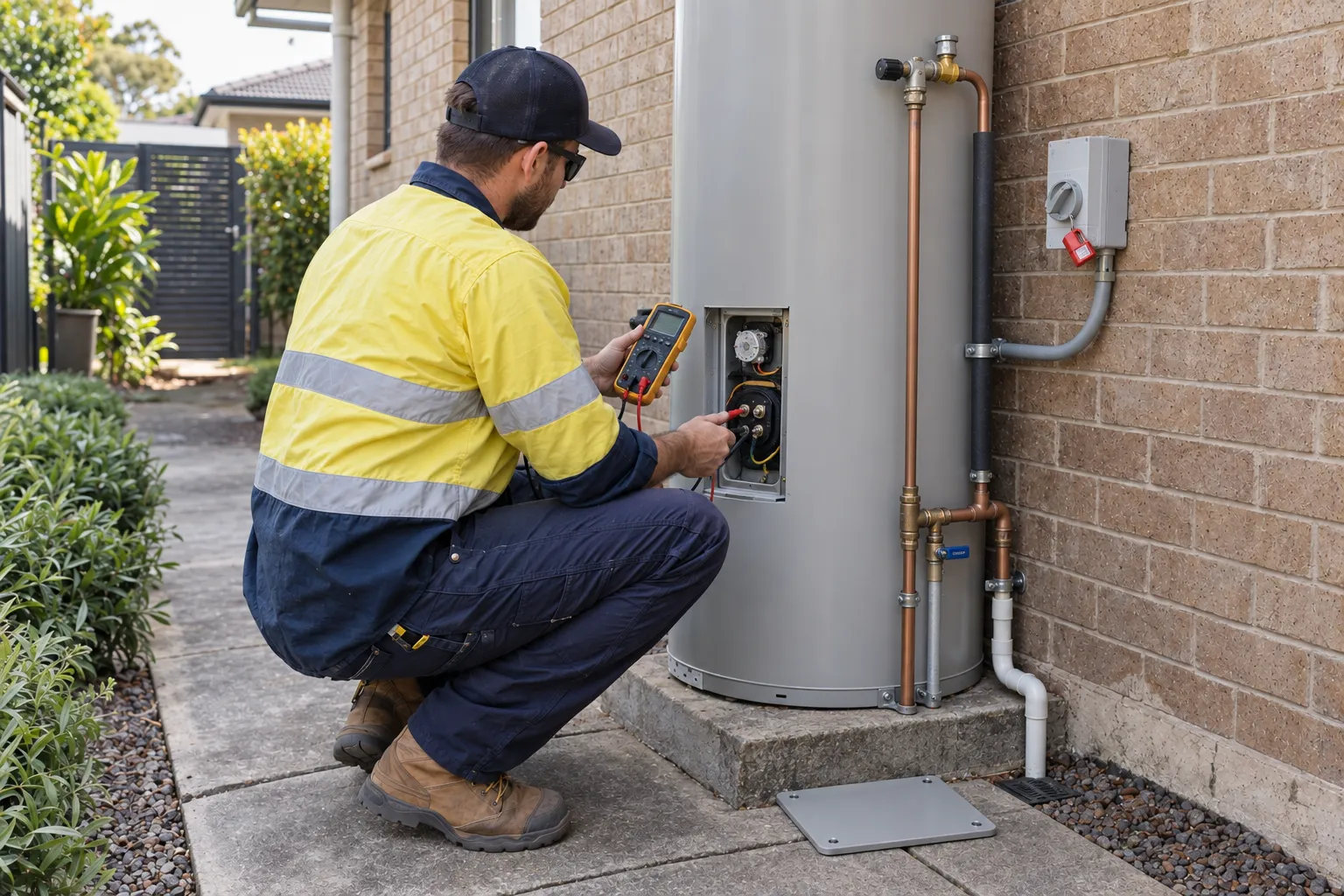
Yes, faulty wiring or loose connections can cause a pool pump to trip the safety switch. Damaged insulation, loose terminals, corroded connections or deteriorated cables can create electrical leakage, overheating or other faults. These problems may occur at the pump, isolation switch, outdoor power point or switchboard.
The timing of the trip can offer a useful clue. An immediate trip may indicate a fault in the pump circuit or connections, while tripping after the pump has been running can occur when a damaged connection or cable heats up under load. Scorching, melted insulation, corrosion, exposed wiring or a burning smell are signs the equipment should remain switched off.
Pool pump wiring should not be opened or tested without the appropriate electrical knowledge and equipment. Experts can inspect and test the wiring, connections and protective devices to identify the fault and determine whether repairs or replacement are required.
The timing of a safety switch trip can provide useful clues about the cause. Whether the pool pump trips immediately after running for a while or only when other equipment starts can help narrow down where the problem may be.
An immediate trip may indicate a fault with the motor, starting components, wiring or another part of the pump circuit. A faulty capacitor, damaged winding or electrical leakage can cause the safety switch to disconnect the power as soon as the pump starts.
A delayed trip may point to overheating, excessive load or an electrical fault that develops as components warm up. Restricted water flow, a dirty filter or a motor struggling under load can contribute to this pattern.
If the pump trips only when it starts automatically, the timer or another appliance operating at the same time may be involved. A heater, chlorinator or spa pump can increase the electrical load on the circuit. Trips that occur mainly after rain may also point towards moisture entering the pump, wiring or other outdoor electrical components.
Keeping track of when the trips occur and what equipment is running can help identify a pattern. If the problem continues, a licensed electrician can test the pump and circuit to determine the cause.
Some basic checks can help identify obvious pool pump or maintenance issues before an electrician is called. These should only involve accessible controls and non-electrical components. Electrical covers, wiring and internal parts should never be opened or handled.
Safe checks include:
Burning smells, scorching, exposed wiring, visible damage or persistent tripping are reasons to stop using the pump. If basic maintenance does not resolve the issue, a licensed electrician can safely test the pump and electrical circuit.
A pool pump that continues to trip the safety switch after basic maintenance checks should be assessed professionally. Repeated tripping can indicate a fault with the pump, wiring, connections or protective devices and repeatedly resetting the switch can leave the underlying problem unresolved.
An electrician should be called if:
An electrician can test the pool pump, wiring, safety switch and other protective devices to locate the fault and determine whether repair or replacement is required. Until the cause is identified, the pump should remain switched off rather than repeatedly resetting the safety switch.
Regular pool maintenance and early attention to faults can reduce the risk of electrical problems with a pool pump. Keeping the pump operating correctly also helps prevent excessive motor strain, overheating and moisture-related damage.
Simple preventative measures include:
Routine maintenance can help keep the pump operating efficiently, but electrical faults should not be repaired as part of DIY pool maintenance. If the safety switch continues to trip, the pump should remain off until the cause has been identified.
A pool pump that repeatedly trips the safety switch should not be ignored, as the cause may be anything from restricted water flow and moisture to damaged wiring or motor faults. Basic maintenance can resolve some issues, but ongoing tripping may require electrical testing to prevent further damage and keep the pool system safe.
Hudson Electrical (Level Electrical) can identify faults affecting the pump, wiring, connections or protective devices. Having repeated trips investigated early can help restore reliable operation and reduce the risk of a more serious electrical problem.