A smoke alarm that keeps beeping is more than an irritation. An experienced electrician in Central Coast can help identify whether a low battery, dust build-up, a power issue, an internal fault or an ageing unit causes the sound.
Different alarm patterns can point to different problems, from an occasional chirp to a continuous alarm. Understanding what the sound means can help homeowners deal with minor issues quickly and recognise when professional attention or replacement is needed.
Hudson Electrical (Level Electrical) helps homeowners understand when a simple check may be enough and when professional assistance is required. Addressing persistent beeping promptly can help keep smoke alarms reliable and support compliance with applicable smoke alarm requirements in New South Wales.
The sound pattern of a smoke alarm can provide an important clue about what is happening. A single chirp, intermittent alarm or continuous loud warning can indicate very different issues, so the alarm should not be ignored or disconnected simply to stop the noise.
A regular single chirp often indicates a low battery, power issue, end-of-life warning or another maintenance problem rather than smoke.
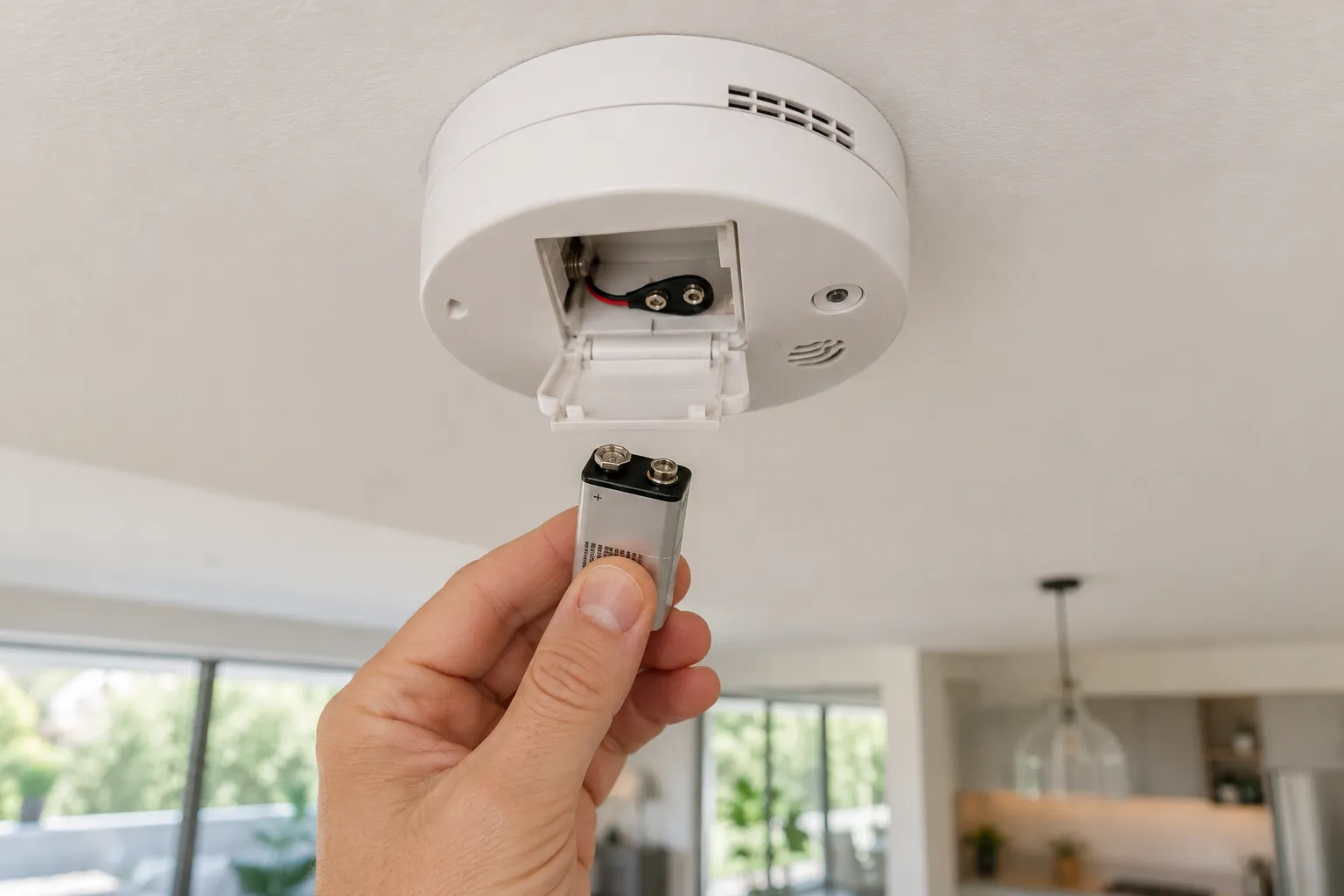
For a battery-powered alarm, replace the battery with the correct type and test the unit. For a hardwired alarm with battery backup, check that the battery is correctly fitted and the power indicator is operating. If the chirping continues, the alarm or its power supply may need professional attention.
Beeping or alarms that start and stop can be caused by dust, insects, cooking fumes, steam or strong airflow. Gently clean the alarm and check whether it is positioned close to a kitchen, bathroom, open window, ceiling fan or air-conditioning outlet.
If false alarms continue after cleaning and addressing obvious environmental triggers, the alarm may have an ageing or deteriorating sensor and could require replacement.
A continuous alarm should always be treated as a potential fire. Check for smoke, burning smells or other signs of fire and evacuate immediately if there is any indication of danger. Contact emergency services from a safe location.
If there is no obvious source of smoke and the alarm continues after the area has been ventilated, the unit may be faulty. A hardwired alarm that will not reset should be assessed by a licensed electrician.
A smoke alarm usually beeps because it has detected a condition that requires attention. The most common causes include:
Identifying the likely cause helps determine whether a simple battery change or clean is enough, or whether the alarm needs to be replaced or professionally inspected.
A low battery is one of the most common causes of smoke alarm chirping. This applies to battery-powered and hardwired alarms because hardwired units commonly have a backup battery.
Check that the battery:
A hardwired alarm may also begin chirping after a power outage if its backup battery has been drained. If the beeping continues after the battery is replaced, the problem could involve the mains supply, wiring or interconnection between alarms.
Homeowners and tenants should not disconnect hardwired alarms or attempt to repair their wiring. People living in rental properties should also understand the NSW smoke alarm responsibilities for landlords and tenants, including notification, battery replacement and repair requirements when an alarm is not working. If replacing the battery does not resolve the problem, a licensed electrician can determine whether the issue is with the alarm, power supply or interconnected system.
Yes. Dust, cobwebs and insects can interfere with the sensing chamber and cause nuisance beeping or false alarms. Cooking fumes, steam and high humidity can also activate an alarm, particularly when it is positioned too close to a kitchen or bathroom.
Here are some common environmental triggers:
Gently vacuum around the alarm using a soft brush attachment to remove dust and debris. Do not use water, cleaning sprays or solvents, as these can damage the sensing components.
If the alarm continues to beep after cleaning and obvious environmental triggers have been addressed, the sensor may be deteriorating and the unit may need replacement.
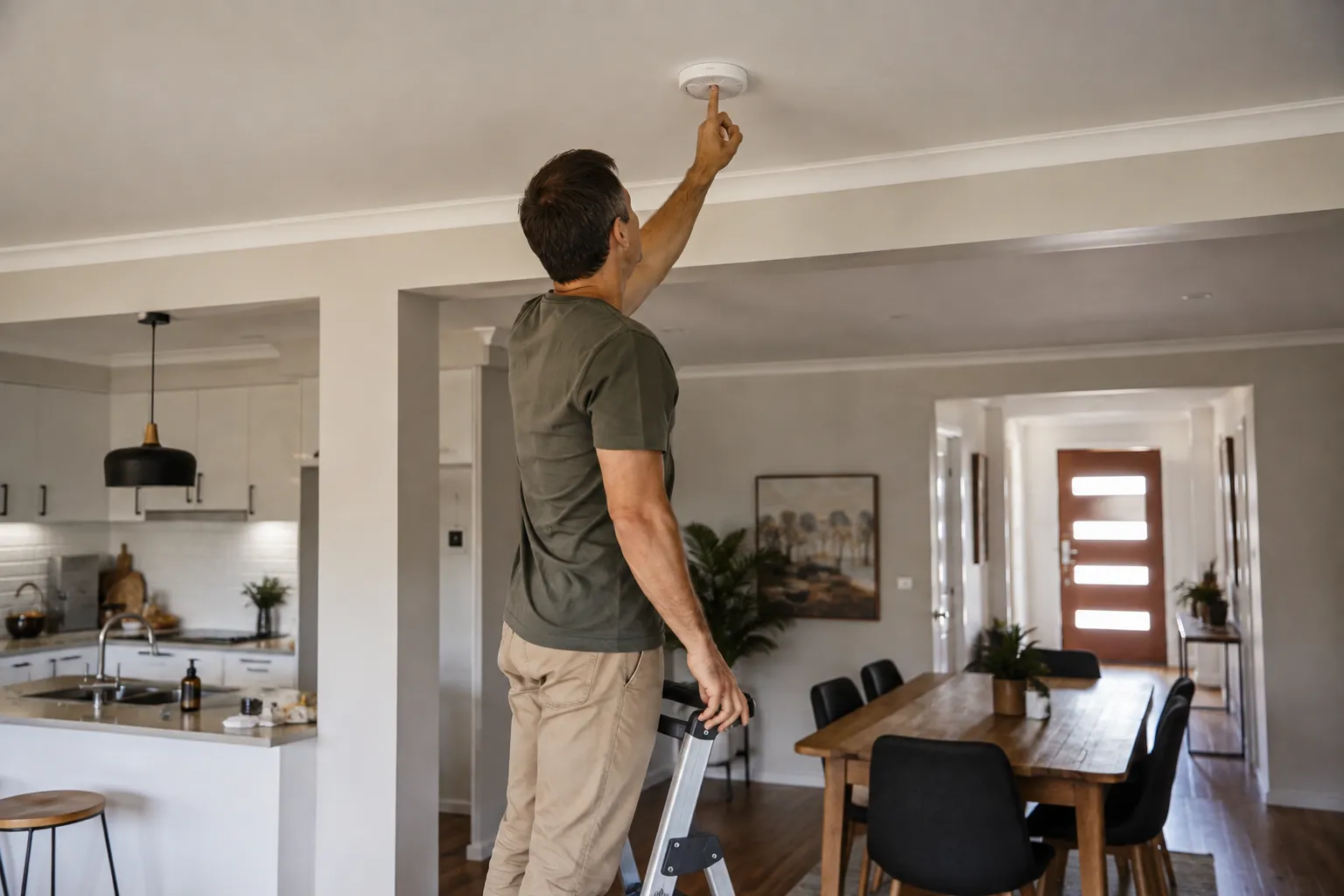
Homeowners and tenants can carry out several basic smoke alarm checks without tools or electrical knowledge. However, hardwired connections, wiring and electrical repairs should be left to a licensed electrician.
The Fire and Rescue NSW smoke alarm maintenance guide recommends testing alarms monthly, vacuuming them every six months and replacing smoke alarms every 10 years.
Understanding the limits of DIY electrical work in NSW can help homeowners distinguish basic smoke alarm maintenance from wiring tasks that require a licensed electrician.
If the alarm chirps every 30 to 60 seconds, check the battery first. Follow the manufacturer's instructions and replace it with the correct type, ensuring it is fitted with the correct polarity.
After replacing the battery, press the test button to confirm the alarm sounds and is operating correctly.
Gently vacuum around the alarm's vents with a soft brush attachment to remove dust, cobwebs and other debris. Avoid sprays, solvents and water.
If the alarm continues to beep after cleaning, there may be an internal fault or another underlying problem.
Check the manufacture date printed on the alarm. Many smoke alarms are designed to be replaced after around 10 years, although the manufacturer's specified service life should always be followed.
Also consider whether steam, cooking fumes or strong airflow could be triggering the alarm. Correct smoke alarm placement can reduce nuisance alarms while helping smoke reach the sensor quickly during a genuine fire. Do not relocate a hardwired alarm yourself, as changes to its position or wiring should be carried out by a professional electrician.
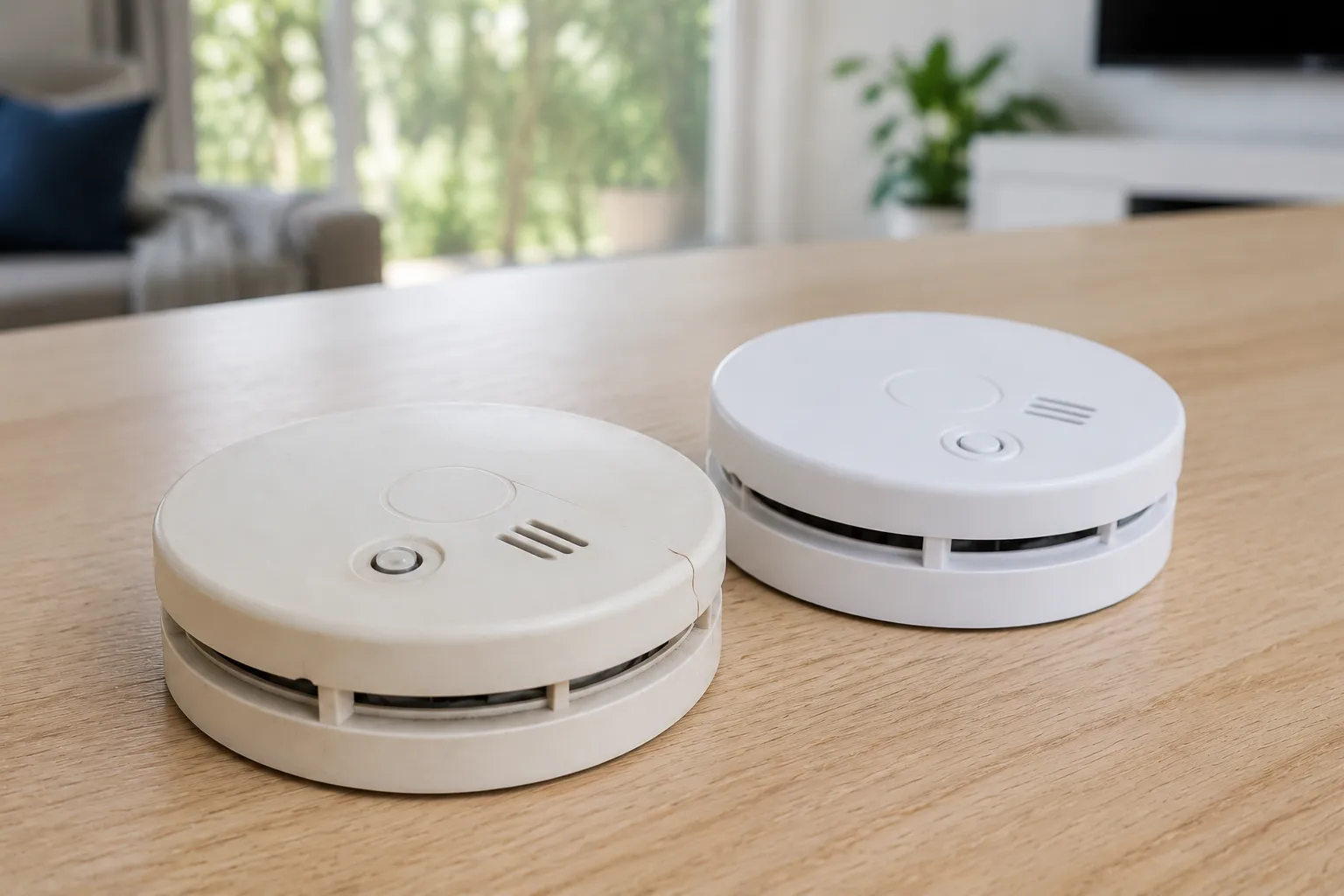
Smoke alarms have a limited service life and an older unit may become less reliable even if it still sounds during testing. Persistent beeping can also indicate that the alarm is approaching the end of its service life.
Many smoke alarms should be replaced around 10 years from the date of manufacture, rather than the installation date. Check the date printed on the alarm and follow the manufacturer's replacement instructions.
Replacement may be appropriate if:
Faulty smoke alarms should generally be replaced rather than repaired, as internal sensor and electronic faults are not suitable for DIY repair.
Replacing an old alarm can be an opportunity to install a newer model that better suits the property. Photoelectric smoke alarms are widely used in Australian homes, while interconnected alarms can provide an earlier warning throughout a property when one alarm detects smoke.
For hardwired alarms, replacement or upgrading should be carried out by a licensed electrician to ensure the installation and interconnection operate correctly and meet applicable requirements.
Professional smoke alarm installation can help ensure replacement units are correctly positioned, interconnected and tested for the property.
A smoke alarm should not be left chirping for days or weeks. A regular chirp usually indicates a low battery, power issue, contamination or an ageing unit. Check the battery, clean visible dust or insects and inspect the manufacture date, then test the alarm to confirm it is working correctly.
If the chirping continues after these checks, do not ignore or disconnect the alarm. Persistent beeping can indicate an internal fault or a problem with a hardwired power supply in older or interconnected systems. A continuous loud alarm is different and should be treated as a potential fire, with evacuation taking priority if smoke or other signs of fire are present.
If the cause remains unclear, a licensed electrician can determine whether the alarm needs replacement or whether there is an underlying electrical or interconnection issue.
Many smoke alarm problems can be addressed with simple checks, such as replacing the battery, cleaning the unit and using the test or hush button. If the beeping continues, however, it may indicate an internal fault, power supply problem or wiring issue that requires professional attention. When beeping is connected to a wiring or power supply problem, delaying electrical repairs may allow a minor fault to develop into a broader safety issue.
A licensed electrician should be contacted if:
Hardwired alarms should not be disconnected, rewired or replaced as a DIY task. An electrician can determine whether the alarm itself needs replacing or whether the issue involves the power supply, wiring or interconnected system.
Understanding why a smoke alarm keeps beeping is about more than stopping an annoying sound. Low batteries, ageing units, dust build-up, power interruptions, wiring issues and environmental triggers can all require attention. Checking the basics, replacing alarms when they reach the end of their service life and keeping detectors clean can help maintain reliable protection.
Repeated beeping should never be ignored or resolved by simply disconnecting the alarm. Hudson Electrical (Level Electrical) recommends having a qualified electrician assess the system when the cause is unclear or the problem continues. Prompt attention can help keep smoke alarms working properly and provide greater confidence that a home remains protected when it matters most.