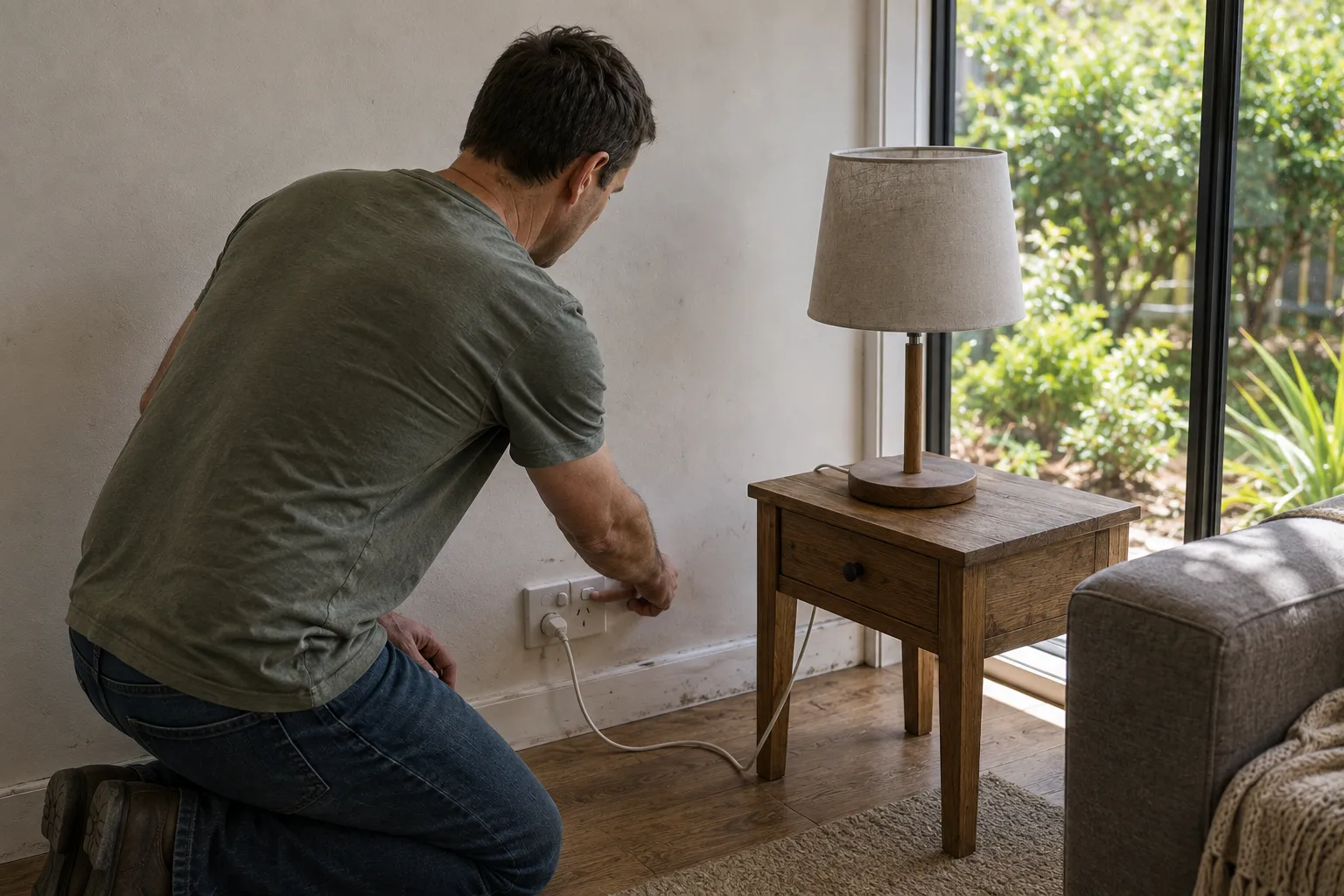
A power point that suddenly stops working can disrupt everyday tasks, leave appliances without power and raise concerns about electrical safety. Hudson Electrical (Level Electrical) helps you understand whether a simple issue can be checked first or if professional attention is needed.
Basic checks such as testing the appliance, checking the power board and looking for a tripped circuit breaker can sometimes restore power. However, burning smells, buzzing, heat, sparking or repeated tripping may indicate a more serious fault.
When the cause is unclear or the power point remains unusable, an experienced electrician in Northern Beaches can identify the underlying problem and ensure the outlet and circuit are safe to use.
A power point can stop working for several reasons and the fault is not always with the outlet itself. It may involve the appliance, switchboard, power point, circuit wiring or electrical supply.
An overloaded circuit, short circuit or electrical fault can cause a protective device at the switchboard to cut power. If it trips again after being reset, do not keep resetting it. The circuit should be checked by a licensed electrician.
A damaged appliance, plug, cord or power board can make a working power point appear faulty. Testing the outlet with a known-working appliance can help identify the cause, but any device showing damage, overheating or a burning smell should be disconnected and not used.
Loose plugs, intermittent power, cracks, scorch marks, buzzing or an outlet that moves when used can indicate internal wear or damage. The power point should be left unused until it has been inspected.
If several power points stop working at once, the problem may involve the circuit wiring, switchboard or electrical supply rather than an individual outlet. Moisture, damaged cables, corrosion or previous non-compliant electrical work can contribute to these faults.
If the cause is not obvious or the power point continues to fail after basic checks, it is safer to stop using it and arrange professional testing.
Yes. A tripped circuit breaker or safety switch is one of the most common reasons a power point suddenly stops working. These protective devices cut power when they detect an overload or electrical fault, so a dead outlet does not necessarily mean the power point itself has failed.
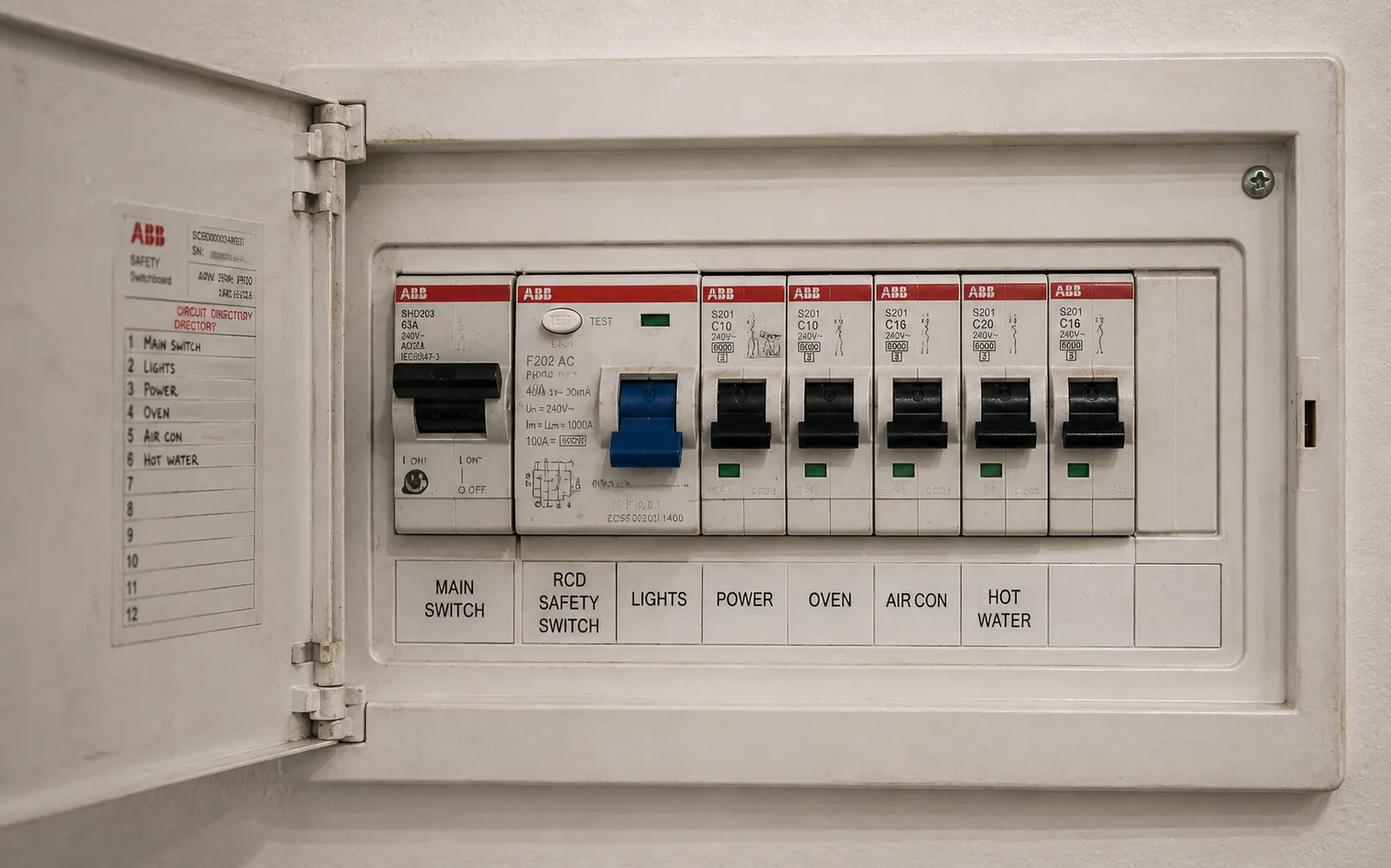
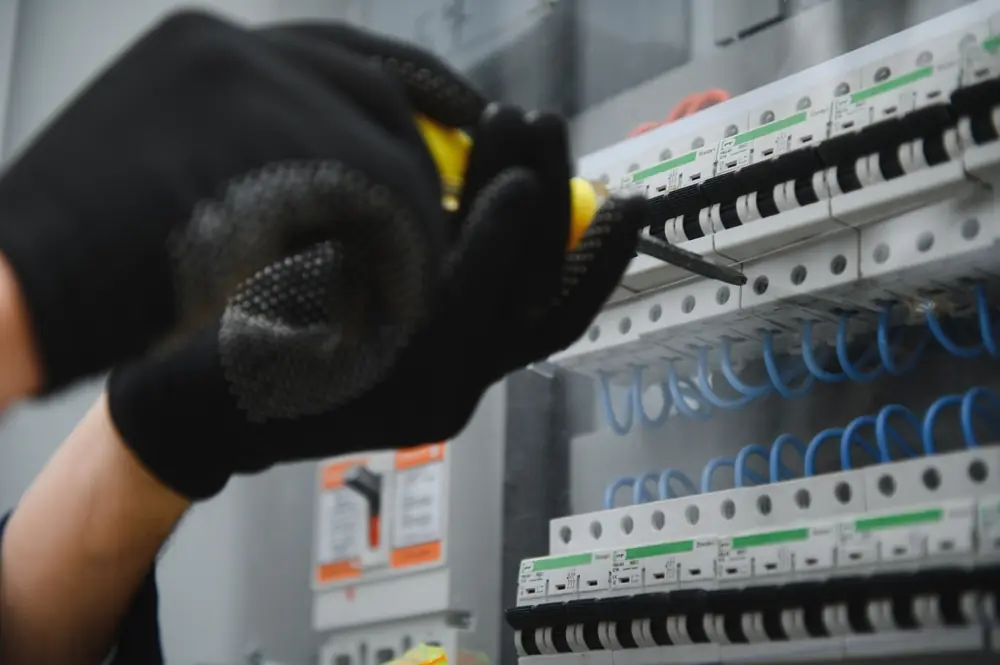
Check the switchboard for a breaker or safety switch that has moved to the OFF or middle position. If one has tripped, unplug appliances from the affected circuit before resetting it. If it stays on, appliances can be reconnected carefully. If it trips again, particularly with appliances unplugged, there may be an underlying electrical fault.
Avoid repeatedly resetting a tripping device and never remove the switchboard cover. If the power does not return or the circuit continues to trip, a professional can test the circuit and safely identify the cause. Understanding why a circuit breaker keeps tripping can help homeowners distinguish between a temporary overload and an electrical fault that requires professional testing.
The number of affected power points can help indicate where the fault is located. If only one outlet has stopped working while nearby power points remain operational, the issue may be limited to that power point, its connections or the wiring supplying it.
If several power points in the same area stop working at once, the problem is more likely to involve the circuit or switchboard. Check for a tripped circuit breaker or safety switch, but do not repeatedly reset it if it trips again. If lights are also affected, there may be a wider electrical or supply issue. If several outlets or lights fail together, knowing what to check when part of your home loses power can help determine whether the problem is isolated to one circuit or involves a wider supply fault.
If the power point remains dead after basic appliance and switchboard checks, avoid opening or repairing it yourself. An electrician can test the outlet and circuit to locate the fault.
A few basic checks can help rule out simple causes before calling. These should only involve appliances, switches and the visible position of protective devices. Never open a power point or switchboard, touch wiring or attempt an electrical repair.
In NSW, electrical wiring must be completed by a licensed electrician, including the repair, replacement or relocation of fixed power points.
A simple step-by-step check is:
If the power point remains dead or there are signs of heat, burning, buzzing, sparking or physical damage, stop troubleshooting and have the outlet inspected.
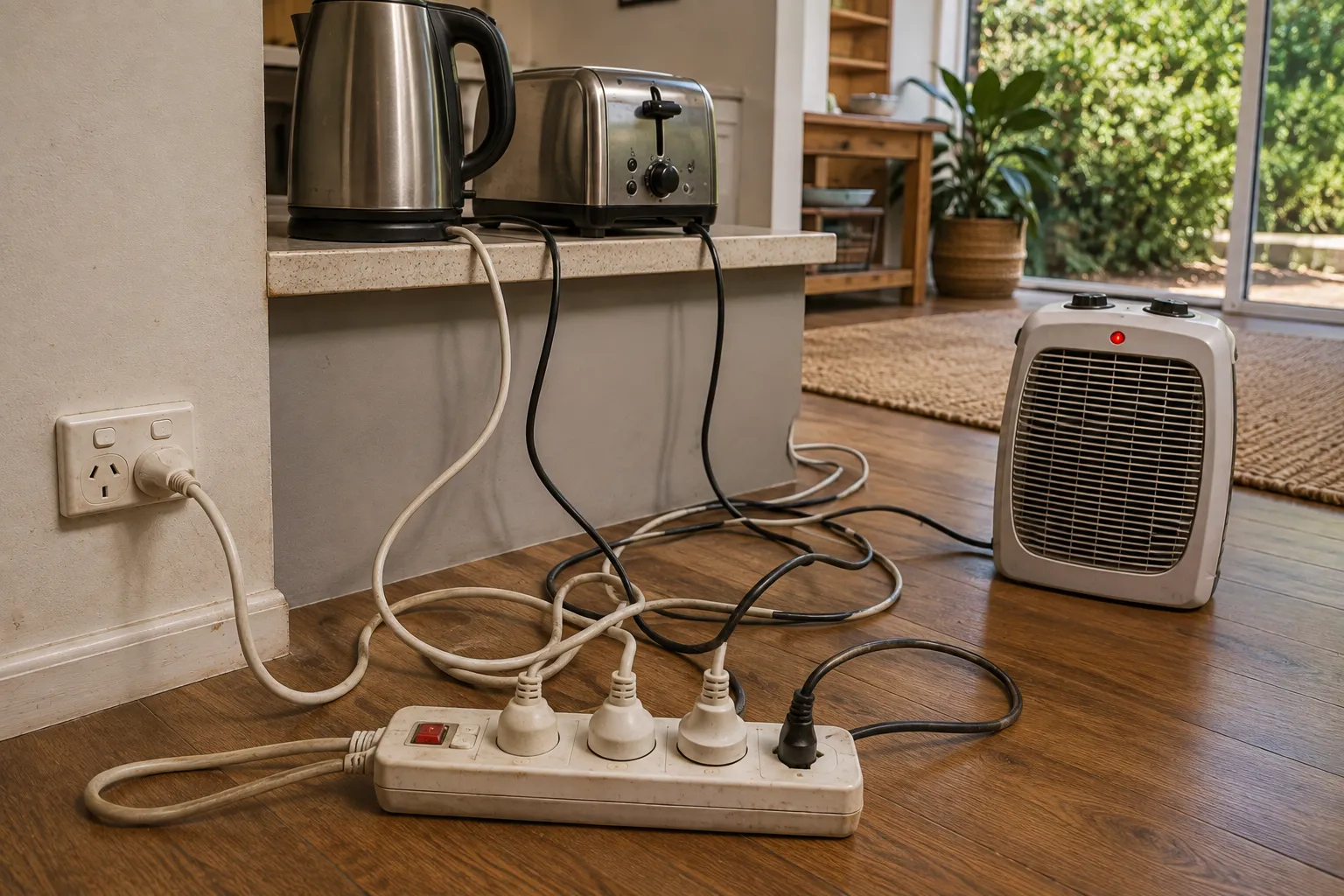
Yes, but it is usually the circuit breaker or safety switch that cuts the power, rather than the power point itself. This can happen when several high-demand appliances, such as heaters, kettles, toasters, microwaves or air fryers, are used on the same circuit.
If the power point stops working after multiple appliances have been connected, unplug them and check the switchboard for a tripped protective device. If it resets and stays on, avoid reconnecting several high-powered appliances at the same time.
An overload should not cause ongoing heat, burning smells, scorch marks or repeated tripping. These signs may indicate a faulty power point, a wiring problem or another electrical issue. If the outlet continues to lose power under normal use, professional testing can determine whether the circuit requires repairs or additional capacity.
A faulty power point may show warning signs before it stops working completely. Recognising these symptoms early can help prevent electric shock, appliance damage and electrical fires.
A power point should not become noticeably hot during normal use. Warmth, scorch marks, melted plastic or a burning smell can indicate overheating, loose connections or arcing. Stop using the outlet and arrange an inspection.
Cracked faceplates, loose fittings, damaged plug slots or an outlet that moves when a plug is inserted can indicate worn or damaged components. Do not attempt to open, tighten or repair the power point yourself.
Repeated sparking, buzzing, crackling, intermittent power or frequent circuit breaker trips can indicate an electrical fault. Plugs that fall out easily or appliances that only work when the plug is moved are also signs that the outlet requires professional attention.
If any of these warning signs are present, leave the power point unused rather than continuing to troubleshoot it.
Sparking, unusual heat, buzzing or crackling can indicate a loose connection, damaged component, overloading or electrical arcing. While a brief spark can occur when certain appliances are plugged in, repeated or obvious sparking from the power point itself is not normal.
A power point that feels hot, shows scorch marks or smells of burning also requires prompt attention. Stop using the outlet and unplug the appliance if it is safe to do so. Do not remove the faceplate or attempt to investigate the wiring.
If there is smoke, active sparking or a strong burning smell, keep away from the area and have the electrical supply isolated by a professional where it is safe to do so.
A power point may need repair or replacement when the fitting itself is damaged, worn or no longer operating reliably. Professional testing is important because replacing the outlet alone will not fix an underlying wiring or circuit fault.
Signs that the power point needs attention are:
In these situations, leave the power point unused until it has been inspected. An electrician can determine whether repair is appropriate or whether replacing the fitting is the safer option.
The cost to repair or replace a power point depends on the type of fault, the condition of the outlet and whether additional electrical work is required. A straightforward replacement is simpler than tracing a circuit fault or repairing damaged wiring.
Several factors can affect the work required:
Identifying the underlying fault is important because simply replacing an outlet will not resolve a problem with the wiring, circuit or electrical supply.
A power point may only need a simple check if the problem is caused by a faulty appliance or tripped circuit breaker. However, if the outlet remains dead, repeatedly trips or shows signs of damage or overheating, it should be inspected.
An electrician should be contacted when:
Anyone who receives a significant shock should receive appropriate electric shock first aid and urgent medical assistance, even when no external injury is immediately visible. Avoid removing the faceplate, tightening connections or investigating wiring yourself. If the cause is unclear or any serious warning signs are present, professional testing is the safest way to identify and resolve the problem.
A power point that stops working can often be traced to a faulty appliance, tripped safety switch or overloaded circuit. However, heat, burning smells, sparking, repeated tripping or physical damage should never be ignored. Safe troubleshooting means checking only what can be done without tools and leaving electrical repairs to a professional.
Hudson Electrical (Level Electrical) can identify the cause of faulty or non-responsive power points and determine whether the issue requires outlet replacement, circuit repairs or further electrical testing. Professional assistance can help keep power points safe, reliable and suitable for everyday use.